
Generator problems
ATS Not Switching to the Generator or Back to Mains
The short answer
If the generator runs but the automatic changeover (ATS) will not take the load, will not hand back when the mains returns, or chatters between the two, the fault is usually in the mains sensing, the controller’s mode or timer settings, or the contactors or motorised switch that do the switching. Check that the controller is in automatic and note any alarm, but leave the panel closed: it is live from both supplies. The repair is technician work, and knowing which step of the sequence failed points straight to the part.
- Check the controller is in automatic mode and note any alarm
- A short delay before switching, and a cool-down run after, are normal
- Load shedding wears contactors: every outage means two transfers
- Never open the panel, force a contactor or bypass the interlock

Need it fixed rather than diagnosed?
Free callouts and quotations. We arrive within 1–2 hours, usually within 1 hour.
How it should work
The normal changeover sequence
- 01
Mains fails
The controller senses that the mains is lost or out of limits on any phase, and starts a short delay so brief dips do not start the generator.
- 02
Generator starts and settles
The engine starts and runs until its voltage and frequency are stable and within limits.
- 03
Load transfers to the generator
The changeover disconnects the mains and connects the generator. Interlocks make sure the two are never connected at once.
- 04
Mains returns
The controller waits until the mains has been stable for a set time before acting.
- 05
Load transfers back
The changeover disconnects the generator and reconnects the mains.
- 06
Cool-down and stop
The generator runs unloaded for a few minutes to cool down, then stops and waits for the next outage.

Where is the sequence going wrong?
| Symptom | Likely causes | Repair route |
|---|---|---|
| Generator does not start when the mains fails | Likely causesController in manual or off, a flat battery, a mains-sensing fault, an active shutdown alarm | Repair routeGenerator not starting |
| Generator runs, but the ATS never takes over | Likely causesGenerator voltage or frequency outside the transfer limits, a failed contactor coil or switch motor, a blown control fuse, an interlock fault, a long transfer delay | Repair routeATS and controller repair |
| Will not hand back when the mains returns | Likely causesLong return delay, mains sensing not seeing the supply (blown sensing fuse or a missing phase), a failed mains contactor coil, a stuck mechanism | Repair routeMains sensing and contactor checks |
| Changeover chatters or switches back and forth | Likely causesUnstable or low returning mains, delays set too short, a contactor coil supply sagging below pull-in, loose control wiring | Repair routeSettings and coil supply checks |
| Generator starts while the mains is on | Likely causesOne mains phase missing or low, a blown sensing fuse, or a scheduled exercise run | Repair routeMains sensing repair |
| Generator keeps running after switching back | Likely causesNormal cool-down; if it never stops, a stop solenoid, fuel solenoid or controller fault | Repair routeStop circuit checks |
| Only some circuits work on generator power | Likely causesThose circuits are not wired to the generator side, a phase is missing, or a breaker has tripped | Repair routeRunning but no power |
| Manual changeover switch hot, buzzing or discoloured | Likely causesLoose or burnt terminals, worn contacts, or a switch too small for the load | Repair routeSwitch off and call us |
Causes explained
The parts that make a changeover work
The controller and its mode: Control panel repairs
The generator controller (often a DSE, ComAp or SmartGen unit) or a separate ATS controller decides when to start, transfer and stop. Left in manual or stop after a service or a test run, it will not respond to an outage.
Mains sensing
The controller watches each mains phase through small fuses or breakers. If one blows, it thinks the mains has failed when it has not, so it starts the generator with the mains on or refuses to hand back. Single-phase sensing on a three-phase site can miss a lost phase altogether.
Contactors or a motorised switch
The switching is done by a pair of contactors or a motorised changeover switch. Coils burn out, contacts pit and weld, and mechanisms stick, especially if they rarely operate. A contactor coil is often fed from the supply it connects, so a weak supply leaves it buzzing or dropping out.
Interlocks
Mechanical and electrical interlocks stop the mains and the generator ever being connected together. A faulty interlock, or a welded contact on one side, blocks the transfer completely.
The generator’s output: Voltage problems
The controller transfers only when the generator’s voltage and frequency are within limits. A set that hunts or runs at low voltage may keep running without ever taking the load, or stop on an alarm.
Manual changeover switches
Many homes and small businesses have a manual changeover: someone starts the generator and moves the switch. Worn or loose switches overheat at their terminals, and an undersized one runs hot under load.
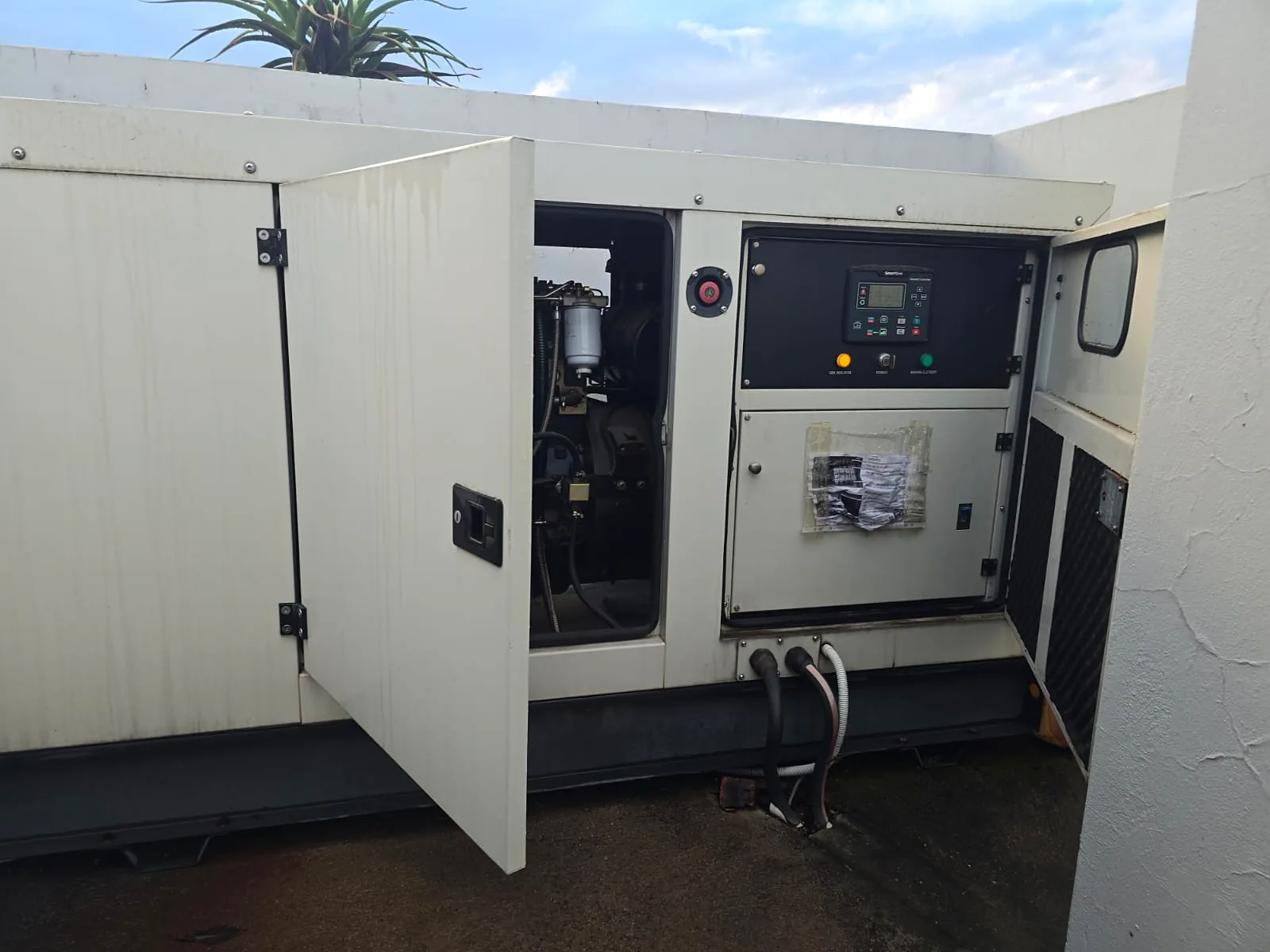
Controller settings
Timer settings that look like faults
Every step of the sequence has an adjustable delay on the controller: how long the mains must be gone before the start, how long the engine warms up, when the load transfers, how long the mains must be stable before handing back, and how long the engine cools down. Correct values can still look like a fault to someone waiting in the dark, and wrong values cause real faults.
A long return delay keeps the building on the generator for many minutes after the neighbours’ lights come back. A short one lets the ATS hand back to a supply that is still settling, which causes chatter. An exercise timer can start the set on a quiet Sunday with the mains on. Settings should be changed only by someone who knows the site, because they interact with UPS units, lifts, pumps and other loads.
- Start delay: ignores brief dips
- Return delay: proves the mains is stable
- Cool-down: runs unloaded before stopping
- Exercise timer: scheduled test runs
Load shedding is hard on changeovers
An ATS that once switched a few times a year can switch several times a day during load shedding: once when the power goes and again when it returns. Each transfer under load draws an arc across the contacts, so contacts pit and burn, coils run hot and mechanisms wear far sooner than on a set that covers the odd outage. A contactor that chatters or hesitates is often worn out rather than faulty.
The return of the mains is the other stress. Power often comes back unstable, low during the evening peak, or with a surge as a whole area reconnects at once. If the return delay is too short, the ATS hands back to a supply that then dips, and it transfers again, over and over. Return delays set for the site, surge protection on the mains side and a contactor check at every maintenance visit go a long way to preventing it.
What you can check without opening the panel
All of these are done from the outside of the panels, without opening any covers.
- The generator controller shows automatic mode (not manual, test or off); note any alarm text
- The generator’s voltage and frequency on the controller look normal
- The battery charger shows it is powered, and the controller screen is not blank or restarting
- The generator’s output breaker is on
- Any indicator lights on the changeover panel showing which supply is available or connected
- Whether the mains is off for the whole street or only for your property
- How long you waited after the mains failed or returned, compared with what normally happens
- Any burning smell, buzzing or heat from the changeover panel: if so, stop and call us
If the generator is running and the building is still dark after several minutes, call us with a photo of the controller screen. For a site that cannot wait, book emergency generator repair. We arrive within 1–2 hours (usually within 1 hour).
Changeover repairs and what they involve
| Cause found | What the repair involves |
|---|---|
| Controller left in manual or off | What the repair involvesReturn it to automatic and find out why it was changed |
| Mains sensing fuse blown or a phase missing | What the repair involvesReplace the fuse, check the sensing wiring and find out why it failed |
| Contactor coil burnt or contacts pitted | What the repair involvesReplace the contactor, and check the other side’s contacts and the coil supply |
| Motorised changeover stuck or failed | What the repair involvesRepair or replace the motor or mechanism, then test both directions |
| Interlock fault | What the repair involvesRepair the mechanical and electrical interlock and test transfer both ways |
| Controller fault or wrong configuration | What the repair involvesRepair or replace the controller and set it up for the site |
| Delays set unsuitably | What the repair involvesSet the delays to suit the site, the loads and the local mains |
| Worn or overheating manual switch | What the repair involvesReplace the switch with one rated for the load, and re-make the terminals |
| Changeover undersized or badly installed | What the repair involvesQuote for a replacement through generator installation |
Testing a changeover properly
Starting the generator from the controller proves the engine runs, but not that it will take over in an outage. A proper test simulates a mains failure, so the whole sequence runs: sensing, start, transfer, return and cool-down. Where it is safe and agreed with you, our maintenance plans include one, and where full-load proof is needed, a load bank test can be arranged to show the generator can carry the building once it takes over.
Installing, altering or replacing a changeover is part of the building’s electrical installation and must comply with the wiring regulations, so it is handled as an installation job rather than a repair. See generator installation for how that works.
FAQ
Frequently asked questions
Why is my ATS not switching to the generator?
Usually because the controller does not see the generator as ready (its voltage or frequency is out of limits), the controller is not in automatic, or the generator-side contactor or motorised switch has failed. The controller screen often shows which; send us a photo when you call.
Why does the generator take a while to come on after the power goes off?
A short delay is deliberate. The controller waits to make sure the outage is real, then lets the generator settle before switching the load over. If the delay seems much longer than usual, ask us to check the settings.
The power is back. Why is the generator still running?
After switching back to the mains, most generators run unloaded for a few minutes to cool down before stopping. If it keeps running well beyond that, there is a fault in the stop circuit or the controller.
Why did my generator start when the power was still on?
Most often one mains phase has failed or dropped low, which the controller treats as a mains failure. A blown sensing fuse or a scheduled exercise run can also start it.
Why does my changeover keep switching back and forth?
Chatter usually means the returning mains is unstable or low, the delays are set too short, or a contactor is not getting enough voltage to pull in firmly. Switch off sensitive loads and call us: chattering contacts burn quickly.
Can I switch over by hand if the automatic changeover fails?
Only if the panel has a manual selector or changeover switch on its outside, designed for that purpose, and you have been shown how to use it. Never open the panel or push contactors in by hand; if you are unsure, call us.
Related pages
Related generator problems
Generator types
Related brands
Who we work for
Need a generator technician?
- 24/7 operations
- We Arrive Within 1–2 Hours (usually within 1 hour)
- Free callouts and quotations