
Generator problems
Black, White or Blue Smoke From a Generator: What Each Colour Means
The short answer
Black smoke from a generator means the engine is getting more fuel than it has air to burn, usually from overload, a blocked air filter or faulty injectors. White smoke is either unburnt fuel, which is normal briefly on a cold start, or coolant reaching the cylinders; blue smoke means the engine is burning oil. Smoke or a burning smell from the alternator or control panel is different: shut down immediately.
- Note the colour, and when it appears: start-up, light load or full load
- A little white smoke on a cold start that clears quickly is normal
- Smoke from the alternator or panel: shut down now
- Never run a generator indoors: exhaust gas can kill

Need it fixed rather than diagnosed?
Free callouts and quotations. We arrive within 1–2 hours, usually within 1 hour.
Match the smoke
| Symptom | Likely causes | Repair route |
|---|---|---|
| Black smoke under steady load | Likely causesOverload, choked air filter, worn or dribbling injectors, a turbocharger or intake leak | Repair routeFuel system repairs |
| A puff of black as a large load switches on | Likely causesNormal for a moment while the governor adds fuel; if it lingers, overload or a slow turbocharger | Repair routeUsually nothing; check the load |
| Black, oily smoke when load is applied after long light running | Likely causesFuel, oil and soot built up in the exhaust by light-load running, burning off | Repair routeWet stacking |
| White smoke on a cold start that clears in a minute or two | Likely causesNormal for many diesels, especially on cold mornings | Repair routeUsually nothing |
| White smoke and long cranking on winter mornings | Likely causesGlow plugs, their relay or the intake heater not working; a failed block heater; worn injectors; low compression | Repair routeStarting fault checks |
| White smoke with a raw diesel smell that stings the eyes | Likely causesUnburnt fuel: low compression, injection timing, water in the fuel, very light load | Repair routeEngine and fuel checks |
| White smoke with a sweet smell, coolant level dropping | Likely causesCoolant reaching the cylinders: a head gasket or cracked cylinder head | Repair routeOverheating and head gasket |
| Blue-grey smoke, oil level falling between checks | Likely causesWorn rings or valve guides, turbocharger seals, an overfilled sump, glazed cylinder bores | Repair routeEngine repair |
| Smoke or a burning smell from the alternator | Likely causesOverheated or failing winding insulation, often after overload or blocked cooling air; a failed rotating diode or AVR | Repair routeShut down; alternator testing and rewind |
| Smoke or a burning smell from the control panel | Likely causesA loose, overheated cable termination, a failing contactor or breaker, or a burnt-out component | Repair routeShut down; control panel repair |
How to read the smoke
Judge the colour in daylight, against a plain background, from a safe distance upwind. Then note when it appears: only at start-up, at light load, when a big load switches on, or all the time once warm. Finally note the smell. Raw diesel that stings the eyes means unburnt fuel; a sweet smell means coolant; a hot, acrid smell means oil.
Separate smoke from steam. Burning diesel makes water vapour, so on a cold morning the exhaust shows a thin white plume that vanishes within a short distance of the outlet. Smoke hangs in the air and drifts. If the controller shows the load in kW or as a percentage, note that too: black smoke at a small load points somewhere quite different from black smoke at full load.
Causes explained
What each colour means
Black: too much fuel for the air
Overload, a choked air filter, a leaking intake or intercooler hose, or injectors that spray poorly. At Highveld altitude the air is thinner, so an engine near its limit smokes sooner than it would at the coast.
White, smelling of diesel: Diesel fuel contamination
Fuel vaporising without burning because the cylinder is too cold or compression too low: cold starts, failed glow plugs, worn injectors, late injection timing or water in the fuel.
White, smelling sweet: Overheating
Coolant turning to steam in the cylinders through a failed head gasket or a cracked head. The coolant level falls with no leak on the ground, and overheating often follows.
Blue: burning oil
Oil getting past worn rings, valve guides or turbocharger seals, an overfilled sump, or a blocked crankcase breather. Worst at light load, when cylinder pressure is too low to seal the rings well.
Grey haze at light load
A mix of unburnt fuel and oil from an engine running too cold to burn cleanly. It usually clears under load, and is an early sign of the problems described below.
Petrol units: Petrol generators
Black smoke usually means the choke was left on, a dirty air filter or a flooding carburettor. Blue or white smoke after start-up often follows overfilling with oil or tipping the unit on its side.
Light loads, glazing and wet stacking
A diesel needs heat and cylinder pressure to burn its fuel completely and to seal its piston rings. Many sets bought for load shedding were sized for the heaviest moment, such as a borehole pump starting, and then spend most of their hours carrying a few lights and a fridge. The engine never gets properly hot, so it smokes white or grey at light load and blows black, oily smoke when a real load finally arrives.
Over months, unburnt fuel and soot collect in the exhaust (wet stacking), and fuel washing the cylinder walls can glaze the bores so the rings no longer seal, which brings blue smoke and rising oil use. A controlled run at a higher load, often on a load bank, usually clears early wet stacking; glazing that has gone too far needs engine work.
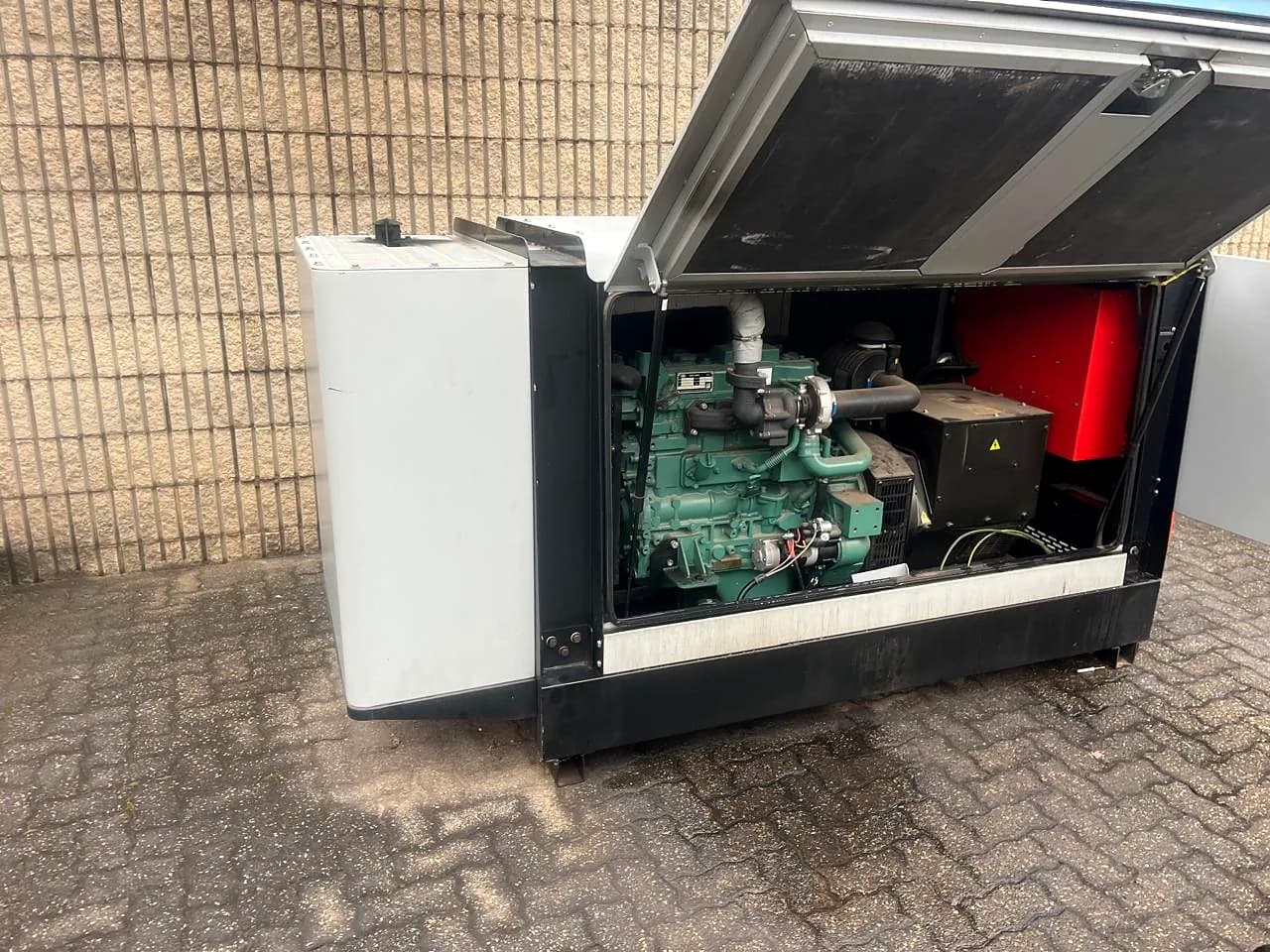
White smoke on cold Highveld mornings
Winter nights on the Highveld often drop to around freezing, and a cold diesel takes longer to reach the temperature at which fuel ignites cleanly. A white plume for the first minute or two, clearing as the engine warms, is normal. Glow plugs or an intake heater help many small and medium engines start, and larger standby sets often have a block heater that keeps the coolant warm so they start and take load quickly.
If cold starts bring long cranking, heavy white smoke that takes several minutes to clear, or a rough, misfiring idle, one of those aids may have failed, or the injectors or compression are weak. That is worth fixing before winter load shedding, when the set may have to start on a frosty morning with a battery that is also feeling the cold.
What to note and check safely
- The smoke colour, and whether it appears at start-up, at light load, under load or all the time
- Whether reducing the load reduces the smoke
- The air filter restriction indicator, if the set has one, with the engine stopped
- The oil level when cold: overfilled, or dropping between checks?
- The coolant level when cold: is it going down?
- On petrol units, that the choke is off once the engine is warm
Take a short video of the exhaust in daylight and a photo of the controller screen. Both help us diagnose before we arrive.
Diagnosis
How smoke is diagnosed on site
- 01
Watch it under load
Smoke at no load and at each load step shows whether it is load-related, cold-related or constant.
- 02
Check the air side
Air filter restriction, intake and intercooler hoses, and the turbocharger for play and oil.
- 03
Check the fuel side
A fuel sample for water, the filters, and the injectors removed for testing where the evidence points to them.
- 04
Check the engine
Compression, crankcase blow-by, oil consumption, and a combustion-gas test of the coolant for a head gasket.
Repairs by cause of the smoke
| Cause found | What the repair usually involves |
|---|---|
| Overload | What the repair usually involvesReduce or rebalance the load, or resize the set; see the kVA sizing guide |
| Blocked air filter or intake leak | What the repair usually involvesReplace the element; repair split hoses, clamps or the intercooler |
| Worn or dribbling injectors | What the repair usually involvesInjectors tested, cleaned or replaced, and the injection timing checked through our fuel system repairs |
| Turbocharger seals or bearings | What the repair usually involvesRepair or exchange the turbocharger, and check its oil supply and drain |
| Glow plugs, relay or block heater | What the repair usually involvesReplace the failed part and test the starting circuit |
| Water in the fuel | What the repair usually involvesDrain the separator and tank bottoms, replace the filters, and deal with the source |
| Head gasket or cracked head | What the repair usually involvesRemove the head, check it for flatness and cracks, and replace the gasket |
| Worn rings, liners or valve guides | What the repair usually involvesEngine overhaul, or a repair-or-replace decision on an older set |
| Light-load glazing or wet stacking | What the repair usually involvesA stepped load run, often on a load bank arranged and quoted for the site, and a change to how the set is loaded |
Smoke that has only just appeared is usually cheaper to deal with than the engine wear that follows if it is left. Send your exhaust video, the make, model and kVA and the hour-meter reading, and our generator repairs technicians can narrow down the likely cause before the visit.
FAQ
Frequently asked questions
Is white smoke on start-up normal?
A little white smoke on a cold start that clears within a minute or two is normal for many diesels, especially in winter. Smoke that persists once the engine is warm needs checking.
Why does my generator puff black smoke when a big load comes on?
A short puff as a large load is applied can be normal while the governor adds fuel and the turbocharger catches up. Continuous black smoke under load means overload, a blocked air filter or an injection problem.
Is blue smoke serious?
It means oil is being burnt. An overfilled sump is a quick fix; worn rings, valve guides or turbocharger seals are not. Check the oil level when cold and have it diagnosed before the level falls far enough to cause a low oil pressure shutdown.
Can bad diesel make a generator smoke?
Yes. Water or contamination in the fuel causes misfiring and white smoke, and can damage injectors. See diesel fuel contamination.
Will a load bank test clear the smoke?
If the smoke comes from light-load running and early wet stacking, a sustained run at a higher load often clears it. It will not fix worn injectors, a failed head gasket or worn rings, which need repair.
Can I run a petrol generator in my garage with the door open?
No. Carbon monoxide can build up to dangerous levels even with doors open. Run generators outdoors, well away from windows, doors and vents.
Related pages
Related services
Related generator problems
Generator types
Related brands
Need a generator technician?
- 24/7 operations
- We Arrive Within 1–2 Hours (usually within 1 hour)
- Free callouts and quotations