
Fuel systems
Fuel System Repairs for Diesel, Petrol and Gas Generators
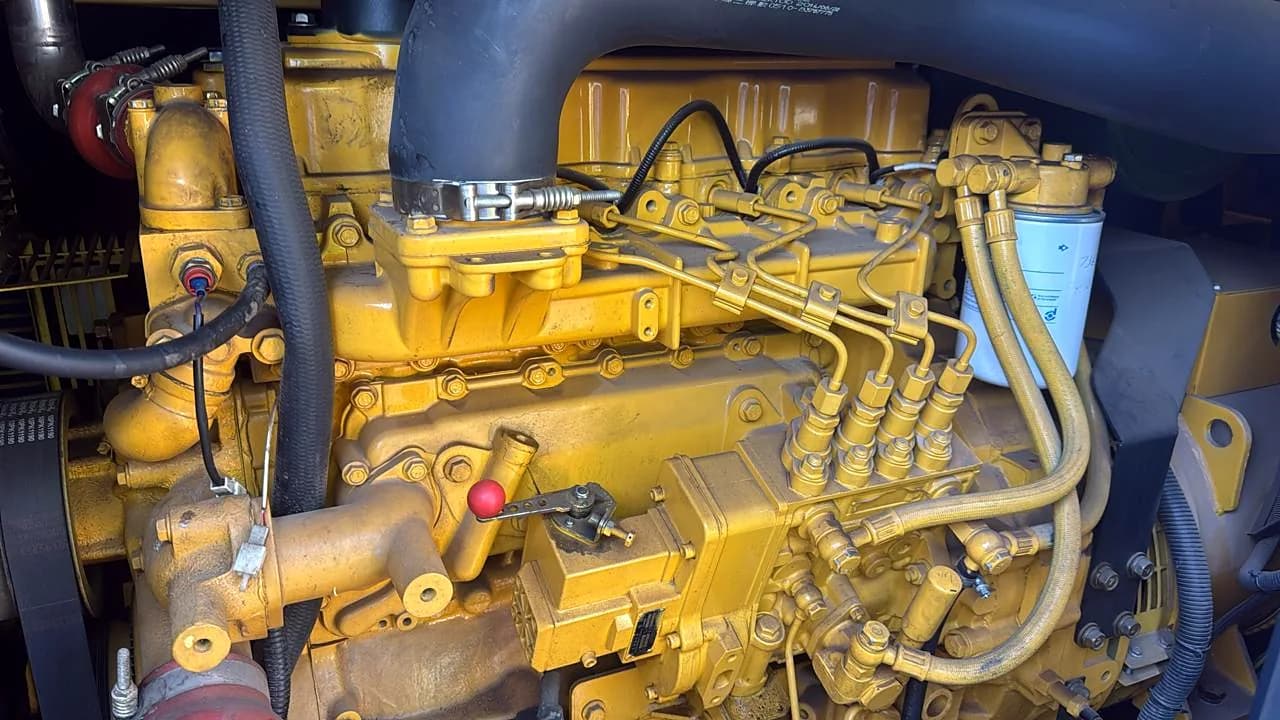
A generator fuel system repair finds out why fuel is not reaching the engine clean, free of air and at the right pressure, and fixes that cause. On diesel sets the usual culprits are water and sludge in stored fuel, blocked filters, air leaks, a weak lift pump and worn injectors. We trace the fault on site, from the tank pickup to the injectors, so the generator does not starve again halfway through the next outage.
- Diesel, petrol and gas generators
- Water, diesel bug and sludge in stored fuel
- Filters, water separators, lift pumps and air leaks
- Injection pumps, injectors and shut-off solenoids
Established 2006
20 years of experience
24/7 operations
We Arrive Within 1–2 Hours
(usually within 1 hour)
Free callouts and quotations
One-year warranty
Qualified and certified technicians
We Service & Repair All Generator Brands
All generator makes and models
1 kVA–20,000 kVA capability
Fuel system symptoms
| Symptom | Likely causes | Repair route |
|---|---|---|
| Cranks but will not start | Likely causesFuel not reaching the injectors: an empty tank, air in the lines after running dry or a filter change, a blocked filter, or a fuel shut-off solenoid that does not open | Repair routeGenerator not starting |
| Runs for a while, stops, then restarts after a rest | Likely causesA blocked tank vent pulling a vacuum in the tank, or sludge and debris drawn onto the pickup strainer that fall away once the engine stops | Repair routeFuel delivery test on site |
| Bogs down or dies when load is applied | Likely causesA partly blocked filter, a weak lift pump or an air leak on the suction side: enough fuel for idle, not for full demand | Repair routeShutting down under load |
| Engine speed surges or hunts | Likely causesAir in the fuel or a restriction starving the engine of a steady supply; governor and actuator faults look much the same | Repair routeSurging and hunting |
| Black or white smoke | Likely causesWorn or sticking injectors, injection timing, or water in the fuel; overload and a blocked air filter also cause black smoke | Repair routeBlack or white smoke |
| Fuel smell, wet lines or a stain under the set | Likely causesLeaking hoses, clamps, filter seals, injector leak-off pipes or a cracked tank fitting | Repair routeLeaks |
| Petrol generator surges or only runs on choke | Likely causesStale petrol has left varnish in the carburettor jets, or the fuel tap or in-line filter is partly blocked | Repair routePetrol generators |
What a fuel system repair can involve
| Part | What goes wrong | What the repair involves |
|---|---|---|
| Tank, pickup and vent | What goes wrongWater, sludge and rust settle on the floor and the pickup draws them in; a blocked vent starves the engine | What the repair involvesA bottom sample, water and sludge drained off, the tank cleaned where needed, and the vent and pickup cleared |
| Water separator and pre-filter | What goes wrongThe bowl fills with water, or the element blocks with diesel bug | What the repair involvesBowl drained, element replaced, and the source of the water found |
| Lift pump | What goes wrongA worn diaphragm or a failing electric pump cannot keep up with demand at full load | What the repair involvesDelivery tested against demand, then the pump repaired or replaced |
| Main fuel filters | What goes wrongRestricted by sediment and microbial slime, sometimes after a single fill of dirty fuel | What the repair involvesFilters replaced and the system bled, so no air reaches the injection pump |
| Injection pump | What goes wrongWear, sticking parts or damage from water and dirt; timing faults | What the repair involvesChecked on the engine; removed for bench testing and reconditioning when the tests point to it |
| Injectors | What goes wrongWorn nozzles dribble or spray badly, causing smoke, knocking and lost power | What the repair involvesRemoved, tested, then cleaned, reconditioned or replaced |
| Fuel hoses, return and leak-off lines | What goes wrongCracked or perished hoses leak fuel, and on the suction side they let air in | What the repair involvesLines and clamps replaced with fuel-rated hose and fittings |
| Fuel shut-off solenoid | What goes wrongFails to open, so the engine cranks but never fires, or sticks and will not stop the engine | What the repair involvesCoil, plunger and wiring tested, and the solenoid replaced if it has failed |
Where an injection pump or a set of injectors needs bench testing or reconditioning, we arrange it and include it in the quotation before any work starts.
Air in the lines: why a diesel stops and will not restart
A diesel injection system needs an unbroken column of fuel. Air gets in when the tank runs dry, when a filter is changed and not bled, or through a loose fitting or perished hose on the suction side between the tank and the lift pump. Because that side of the system is under suction, an air leak there often leaves no fuel drip at all: the engine simply loses fuel, hunts and stops.
Bleeding the system clears the air, but if the air came from a leak it comes back. We find and fix the leak first, then bleed the filters and injection pump and prove the engine holds its speed under load. If a set ran dry during load shedding, refilling the tank on its own is often not enough to get it going again.
Why stored diesel causes trouble
Diesel in a generator tank goes through daily heating and cooling. Air drawn in as the level changes carries moisture, which condenses and settles at the bottom of the tank. Microbes live where water meets fuel, and the slime they produce, known as diesel bug, blocks filters and pickup pipes.
Load shedding changes how fast that fuel turns over. During long spells of daily outages the tank is run down and refilled often, so the fuel stays fresh, but every delivery can bring in water or sediment and every refill stirs up what has settled. When load shedding eases for months, the same fuel sits in the tank while the set only runs its weekly exercise, and that is when water and diesel bug build up.
A generator can pass a short test run and still starve during a long outage, because a full-load run draws fuel harder and pulls up what has settled. Our guide to diesel fuel contamination explains how to keep stored fuel healthy between services.

Other fuels
Petrol and gas generators
Petrol: stale fuel and carburettors
Petrol left in a portable generator for a few months goes stale and leaves varnish in the carburettor jets and float bowl. The engine then surges, runs only on choke or will not start. We strip and clean the carburettor, or replace it where the varnish has done lasting damage.
Petrol: taps, filters and tanks
A fuel tap or in-line filter blocked with debris, a sticking float needle that floods the engine, or a rusting tank shedding flakes into the fuel. Each is quick to find once the fuel path is checked end to end. See petrol generators.
Gas: the generator and the supply
We diagnose the generator itself: whether the engine is getting a steady gas supply, and the ignition, controller and engine faults that look like gas problems. Work on the gas supply, its regulator and pipework must be done by a qualified gas installer. See gas generators.
Process
How we find and fix a fuel fault
- 01
Start with the history
When it stops, how long into a run, at what load, when the tank was last filled and when the filters were last changed. The pattern narrows the search before a tool comes out.
- 02
Look at the fuel
A sample from the bottom of the tank and the water separator bowl shows water, sludge or darkened fuel straight away.
- 03
Test delivery
Lift pump output, filter restriction and the suction side for air leaks, then the shut-off solenoid and injection system once fuel is reaching them.
- 04
Quote, repair and bleed
You get a free quotation first. The failed part is then repaired or replaced, contaminated fuel dealt with, and the system bled of air.
- 05
Prove it under load
A run on the building load, or a load bank test where the fault only appeared at full demand.
What to send when you book
A few details help us bring the right filters and parts on the first visit. Send them by WhatsApp or tell us when you call.
- The make, model and kVA rating from the nameplate
- The hour-meter reading, and when the filters were last changed
- What happens: will not start, stops after a while, surges, smokes or loses power under load
- When the tank was last filled, and whether the set ran dry
- A photo of the controller screen showing any alarm
- For a petrol generator, how long the fuel has been in the tank
If the generator has stopped during an outage and you need it running now, see emergency generator repair.
FAQ
Frequently asked questions
Why does my generator run in a test but stop during a long outage?
A long run at higher load draws fuel harder and can pull water and sludge up from the bottom of the tank, blocking filters that coped with a short, light test. A partly blocked filter or a weak lift pump shows the same pattern. Testing delivery at full demand separates the two.
My generator ran out of fuel and will not start after refilling. Why?
Running dry lets air into the fuel lines and injection pump, and many diesels need the system bled before they will start again. Running the tank low can also pull sediment from the tank floor into the filters, so they may need replacing as well.
Does diesel go off?
Stored diesel degrades: it takes on water, grows microbial sludge and oxidises over time. Turning the fuel over, keeping the tank full to limit condensation, and draining water regularly all help.
Can you clean the fuel in my tank?
Where a sample shows water or sludge, the water and contaminated fuel are drained off and the tank is cleaned if the contamination calls for it. Fuel polishing, which filters the stored diesel through a separate system, can be arranged and quoted for larger tanks. A biocide on its own does not remove water or the sludge already in the tank.
How often should the fuel filters be changed?
At the interval in the engine manufacturer’s schedule, which is part of a normal generator service, and sooner if the fuel is dirty. A filter that blocks quickly points to contamination in the tank, not a filter problem.
Do you work on petrol and gas fuel systems too?
Yes. On petrol generators the usual problem is stale petrol leaving varnish in the carburettor, which is cleaned or replaced. On gas generators we diagnose the generator itself; work on the gas supply is done by a qualified gas installer.
Related pages
Related generator problems
Generator types
Related brands
Who we work for
Need a generator technician?
- 24/7 operations
- We Arrive Within 1–2 Hours (usually within 1 hour)
- Free callouts and quotations