
Gallery
Photos from Generator Jobs on Site
63 photos taken on site, not stock images: standby and silent diesel sets at homes and businesses, portable petrol and small diesel units, and the engines, controllers and filters inside them. Each group links to the service or generator type it shows, so you can go from a photo that looks like your generator to the page that explains the work.
24/7 operations · We Arrive Within 1–2 Hours (usually within 1 hour) · Free callouts and quotations
On-site work
6 photos
 (full-size photo, opens in a new tab)
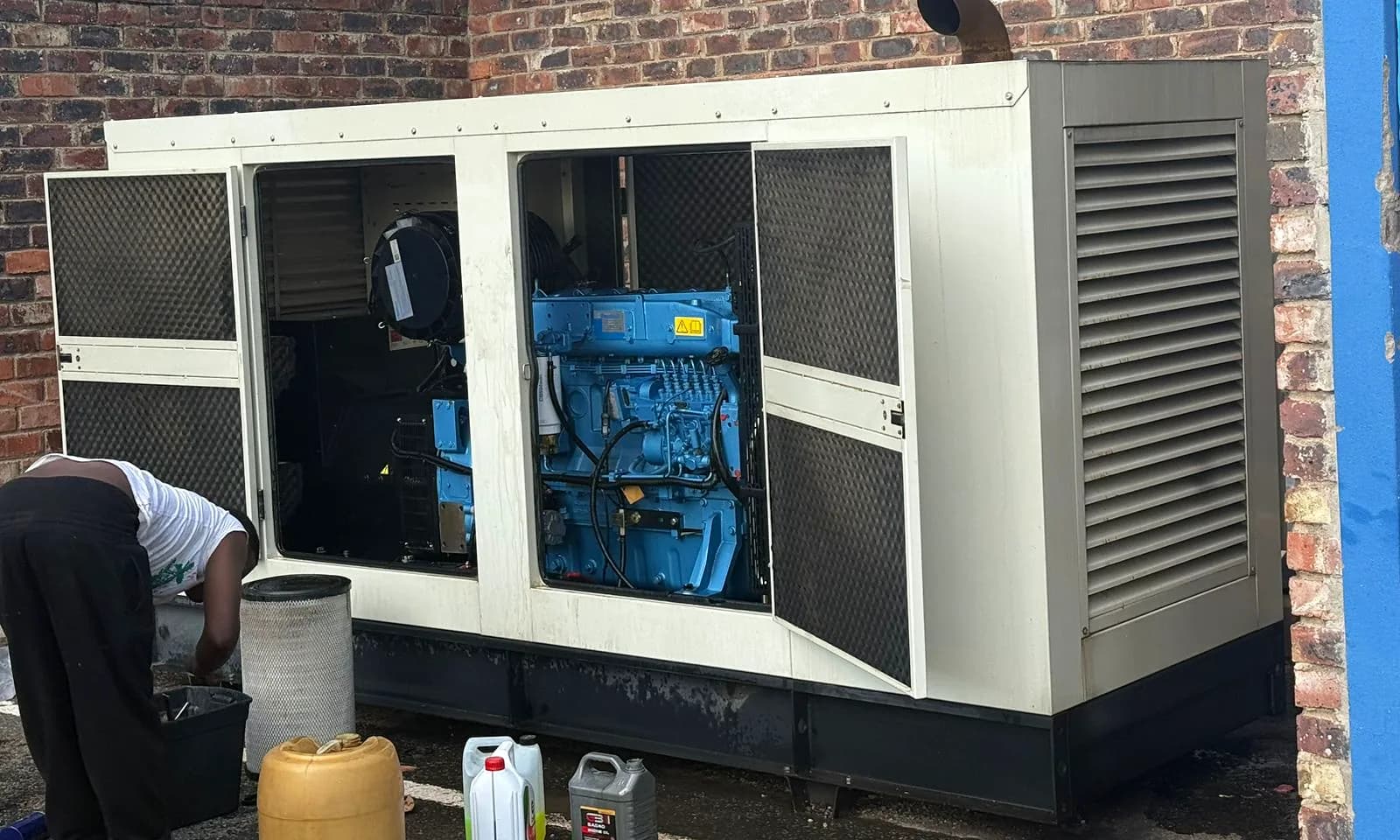
Servicing a large diesel standby set on siteRelated: Generator servicing 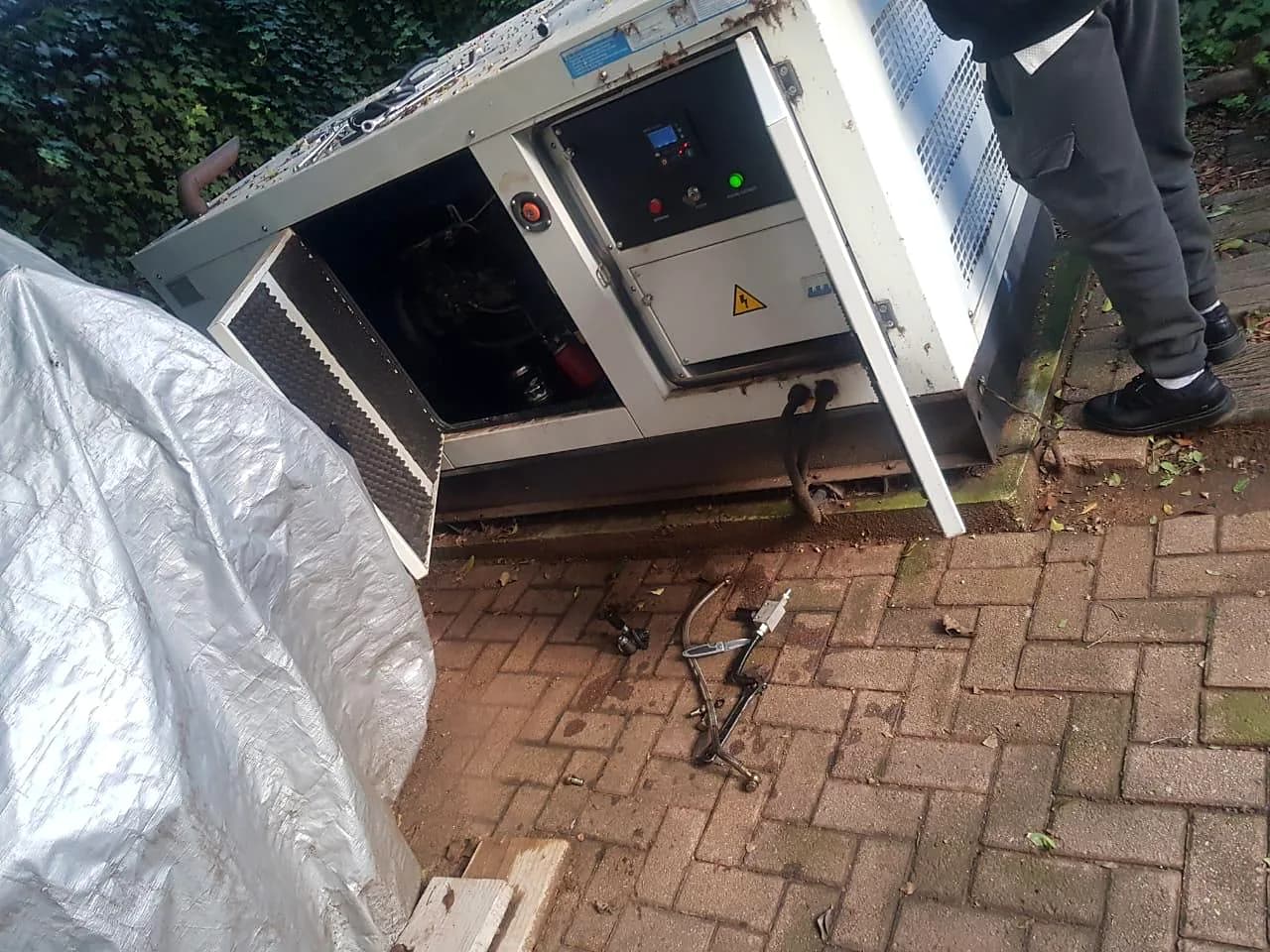 (full-size photo, opens in a new tab)
Opening up a silent diesel generator for a repairRelated: Generator repairs 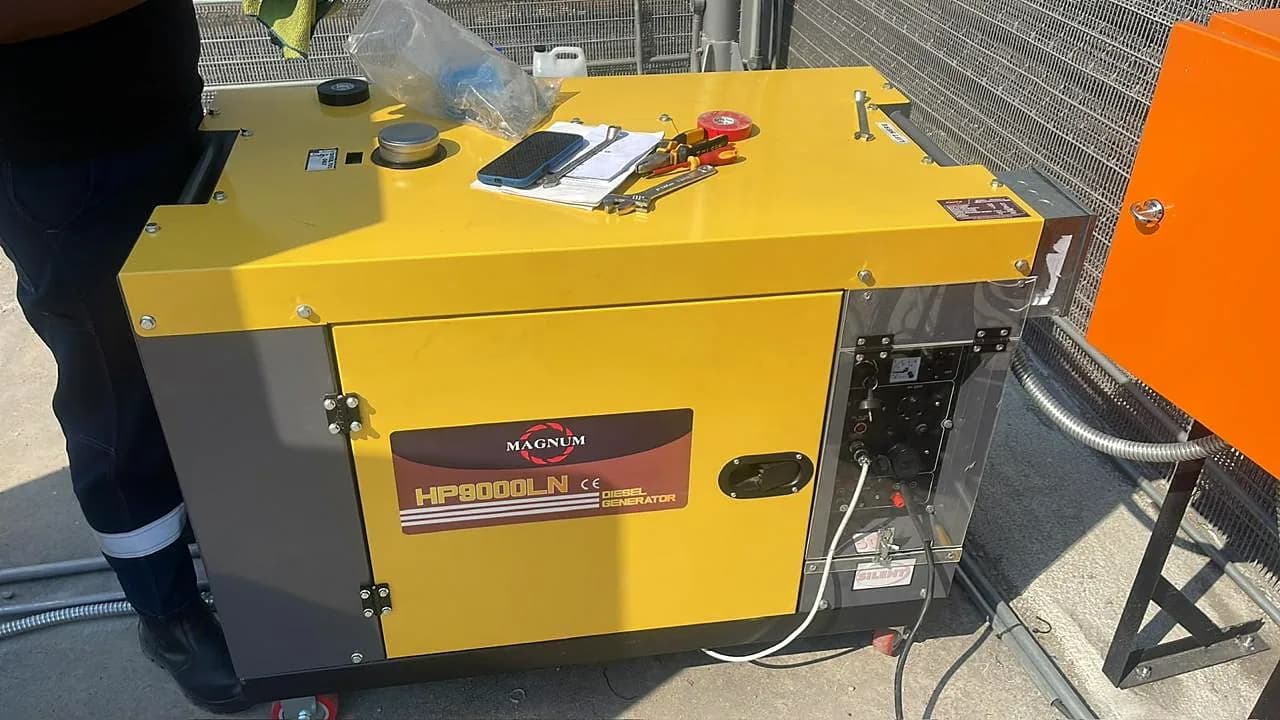 (full-size photo, opens in a new tab)
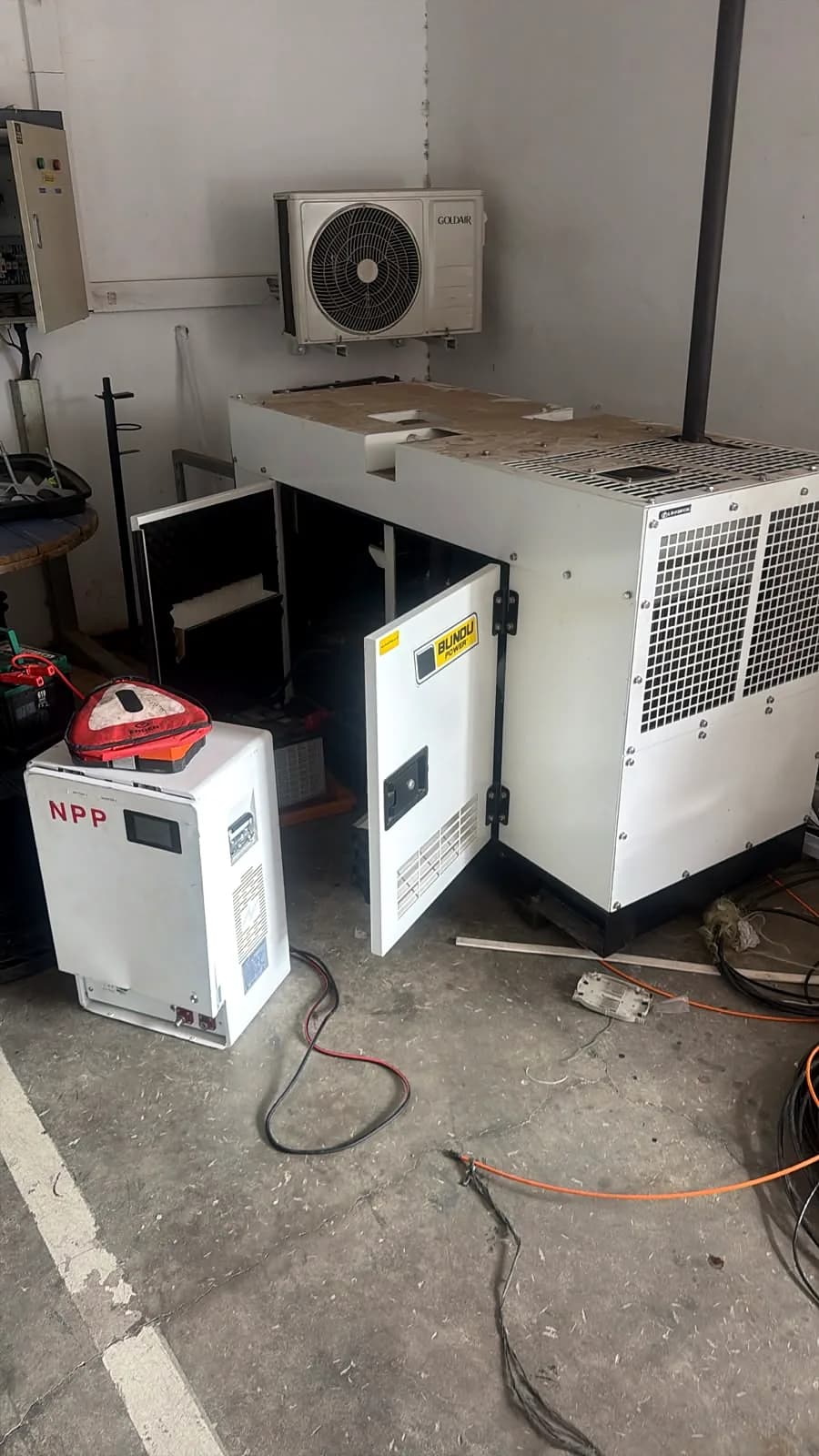
Working on a new silent diesel generator beside its electrical boxRelated: Generator installation - (full-size photo, opens in a new tab)
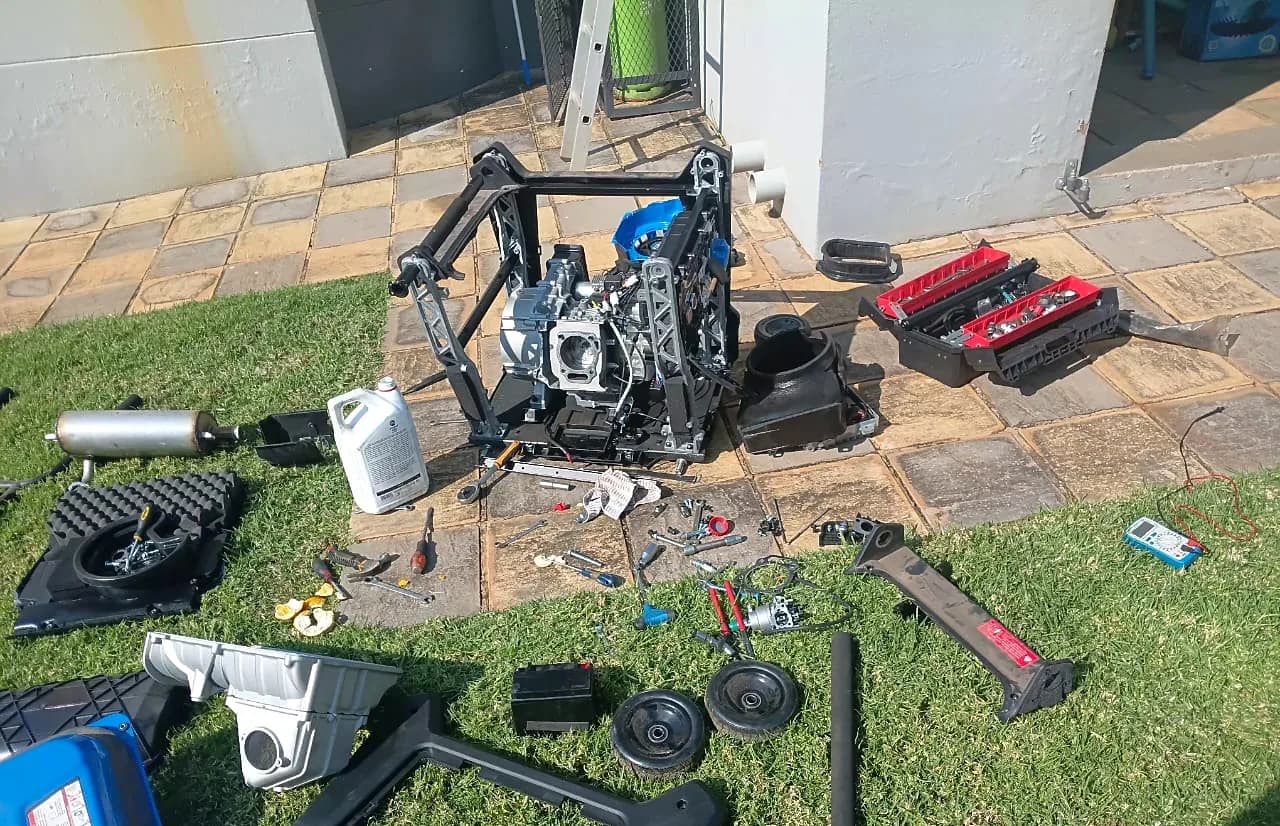
A portable petrol generator stripped down for engine repairRelated: Generator repairs 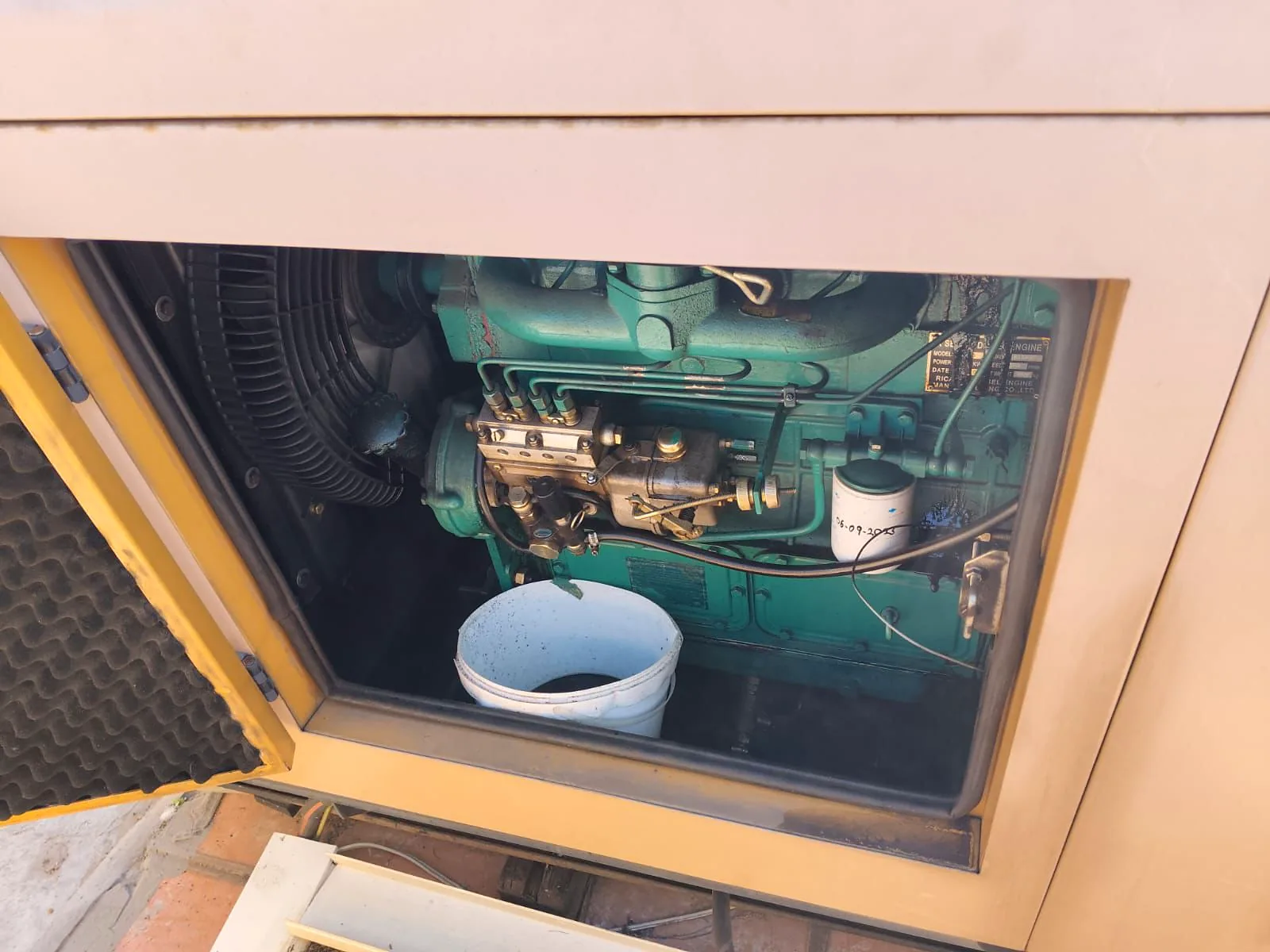 (full-size photo, opens in a new tab)
An oil change under way: the canopy open and a bucket catching the old oilRelated: Low oil pressure - (full-size photo, opens in a new tab)
A silent diesel generator opened up in a garageRelated: Generator servicing
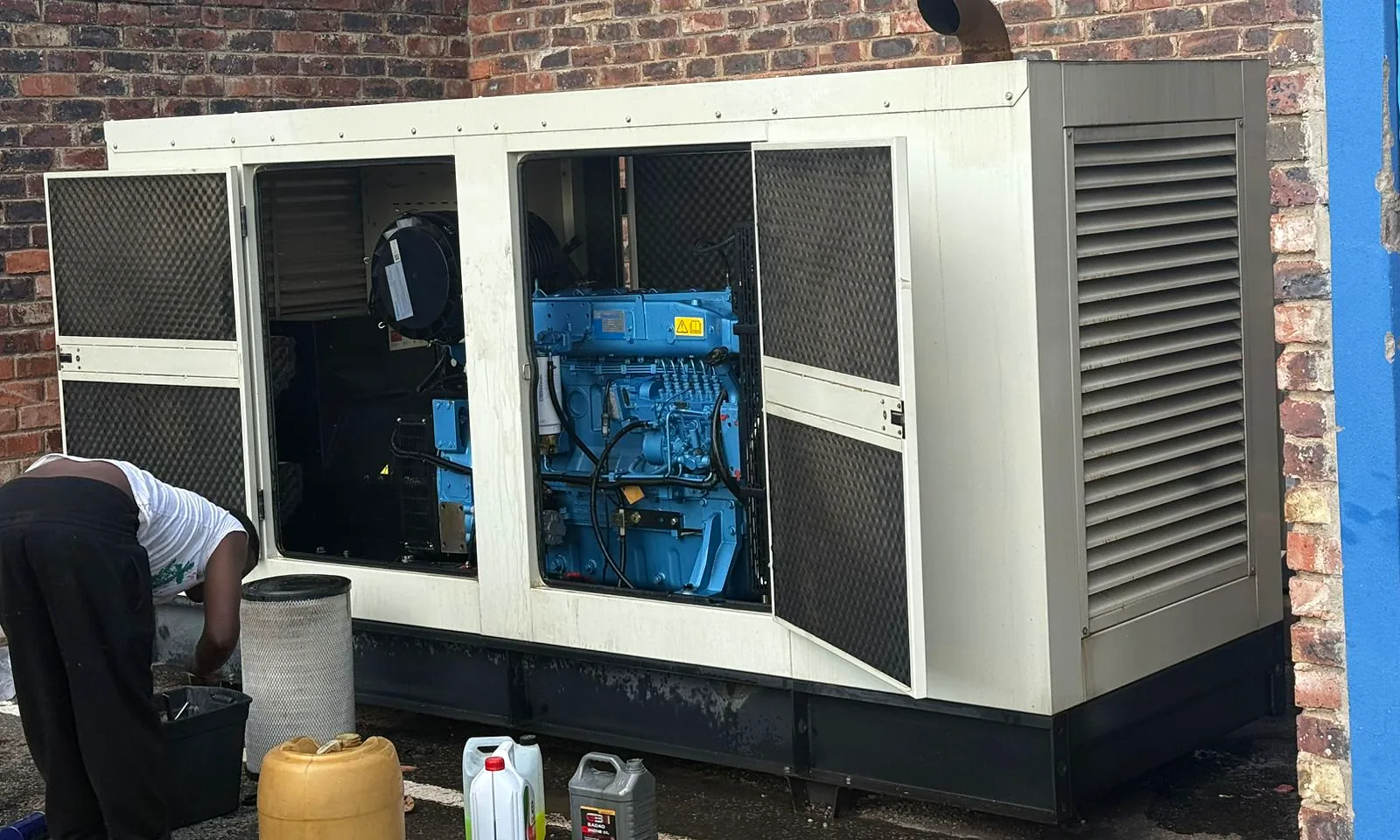
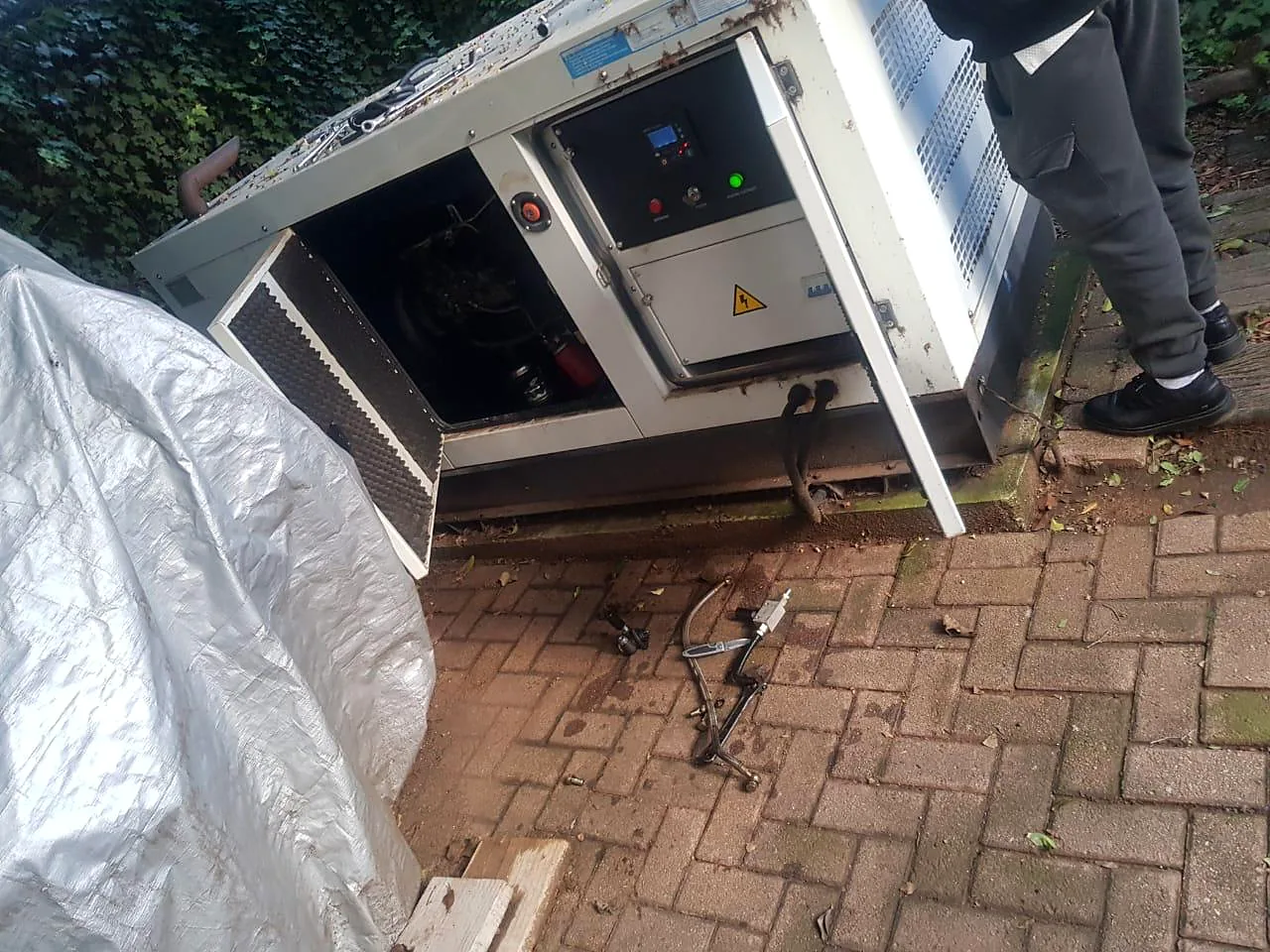
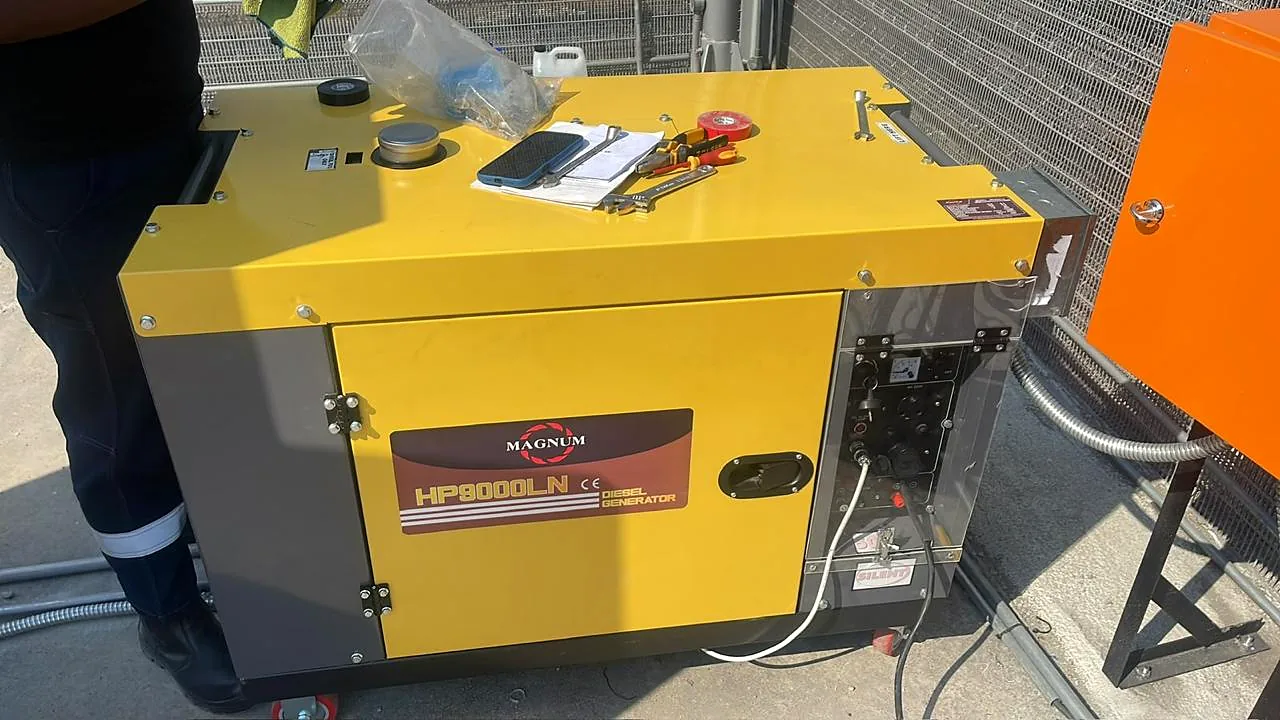
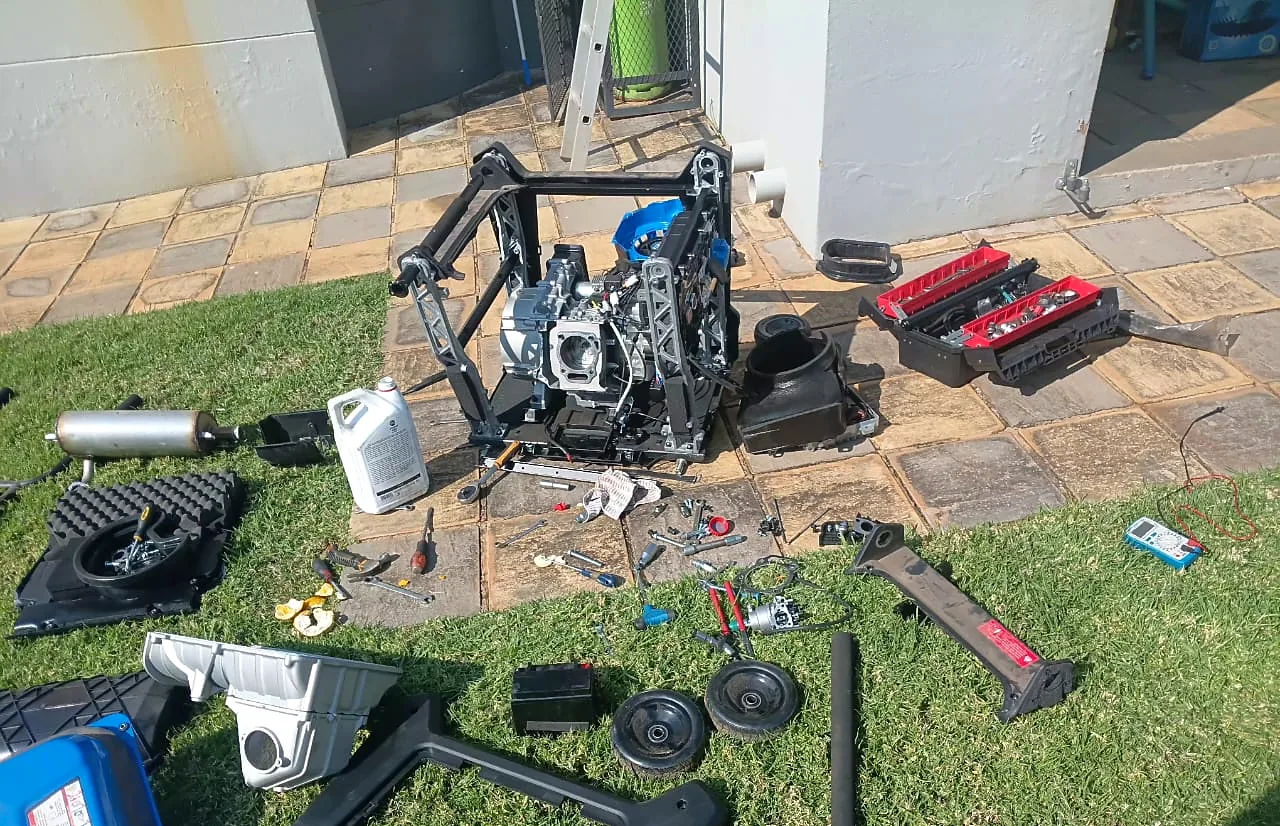
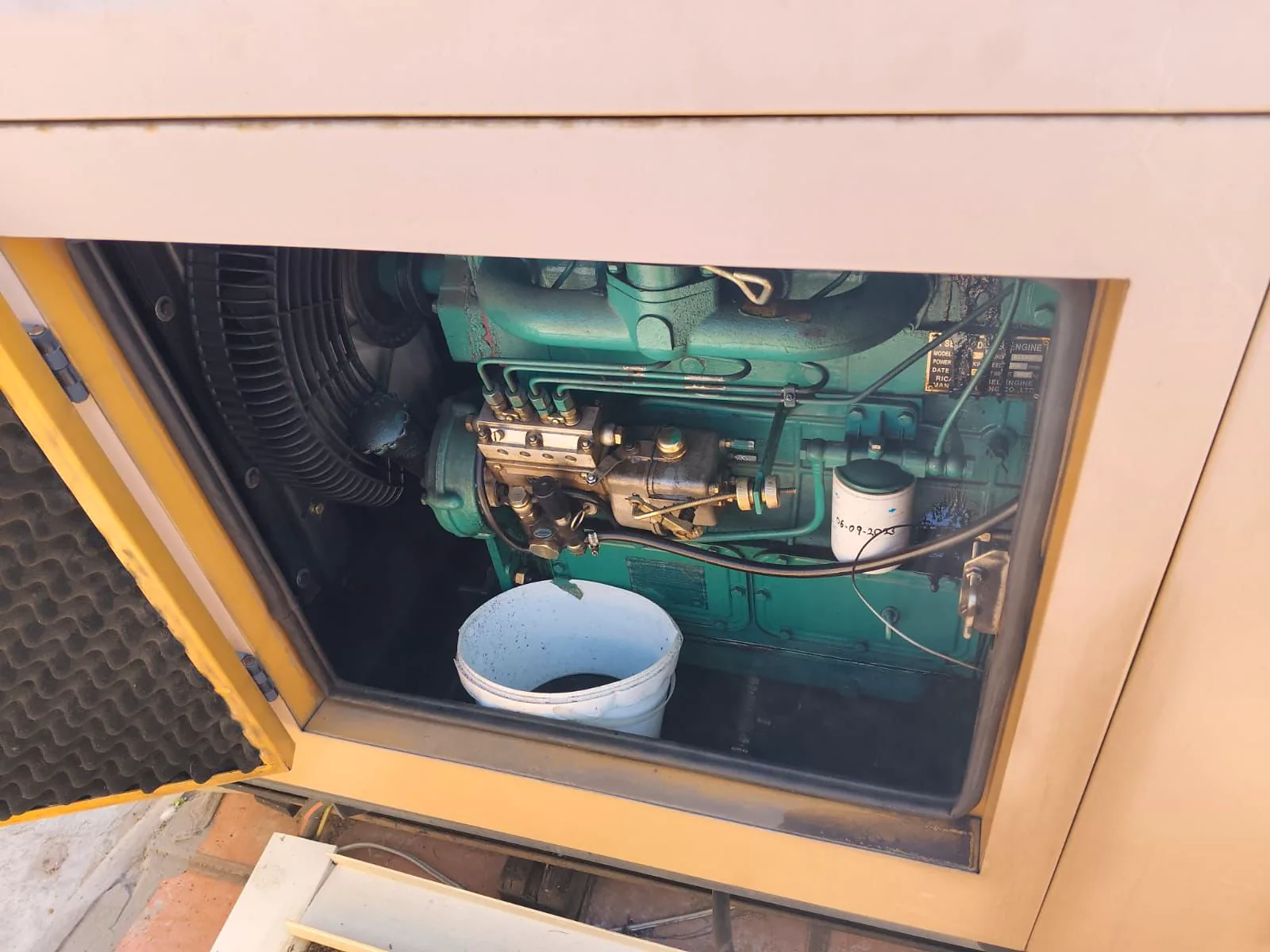
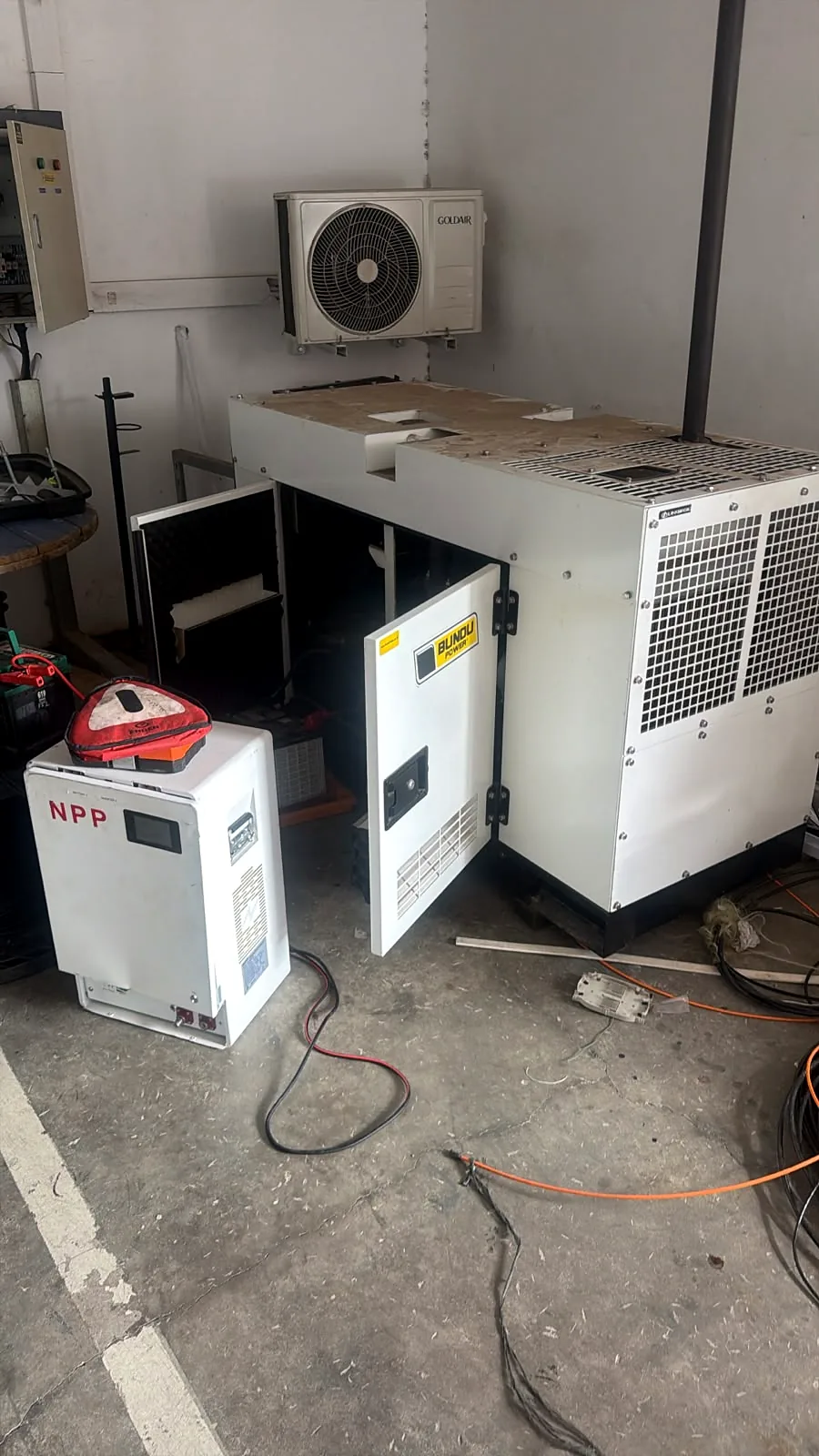
This is what a typical visit looks like: canopy doors open, the engine exposed, a bucket under the sump during an oil change, and tools laid out on the paving beside the set. A portable petrol generator stripped down on a lawn is a repair in progress, with the engine, frame, fuel tank and casing panels laid out so each part can be checked, cleaned or replaced.
Much of this work happens in tight spaces such as garages, side passages and carports. That is why we ask where the generator is installed when you book (see how a job works), and why a maintenance visit also looks at the space around the set: airflow, the exhaust and safe access for the next service.
Standby and silent generators at homes and estates
20 photos
 (full-size photo, opens in a new tab)
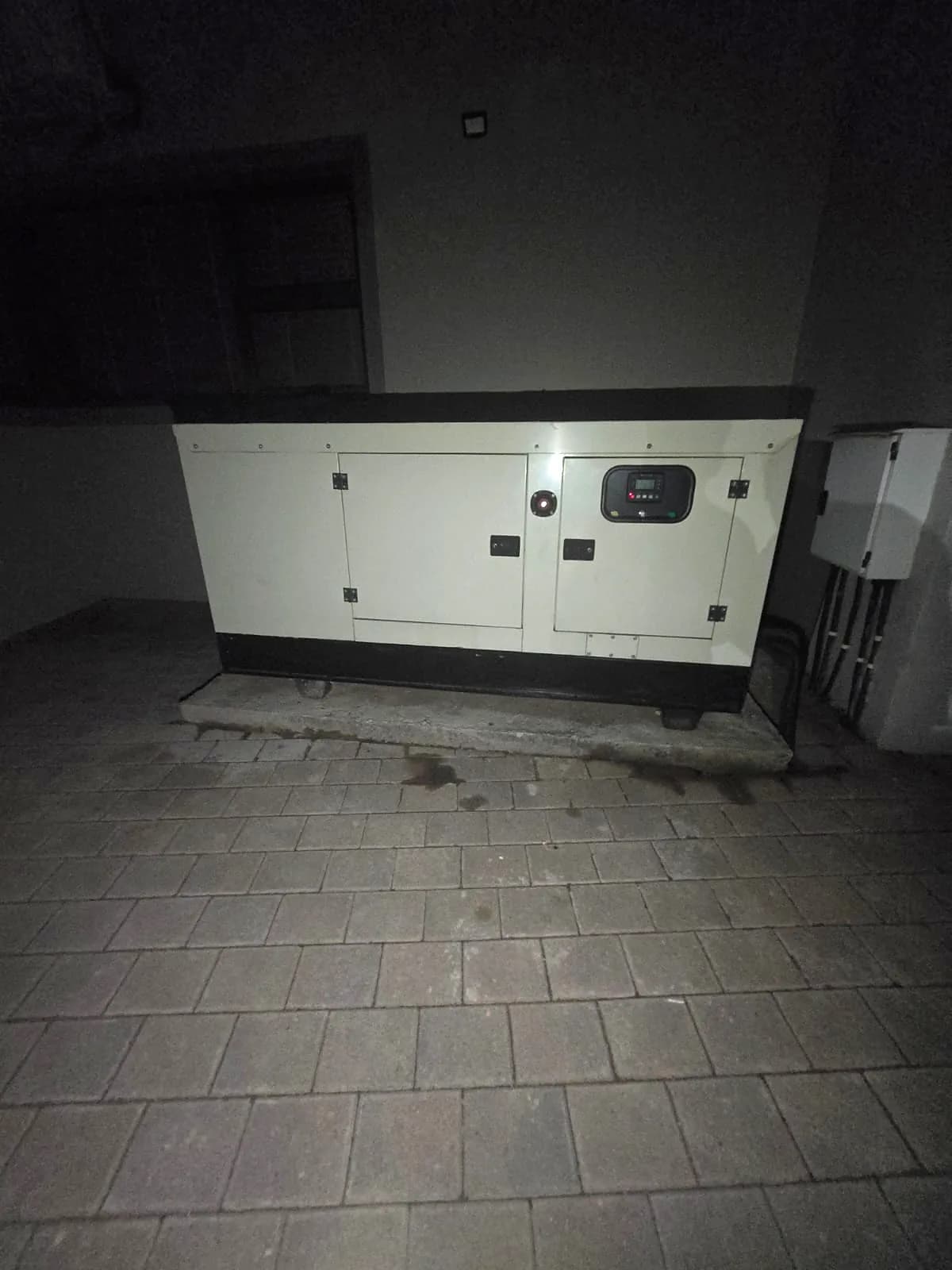
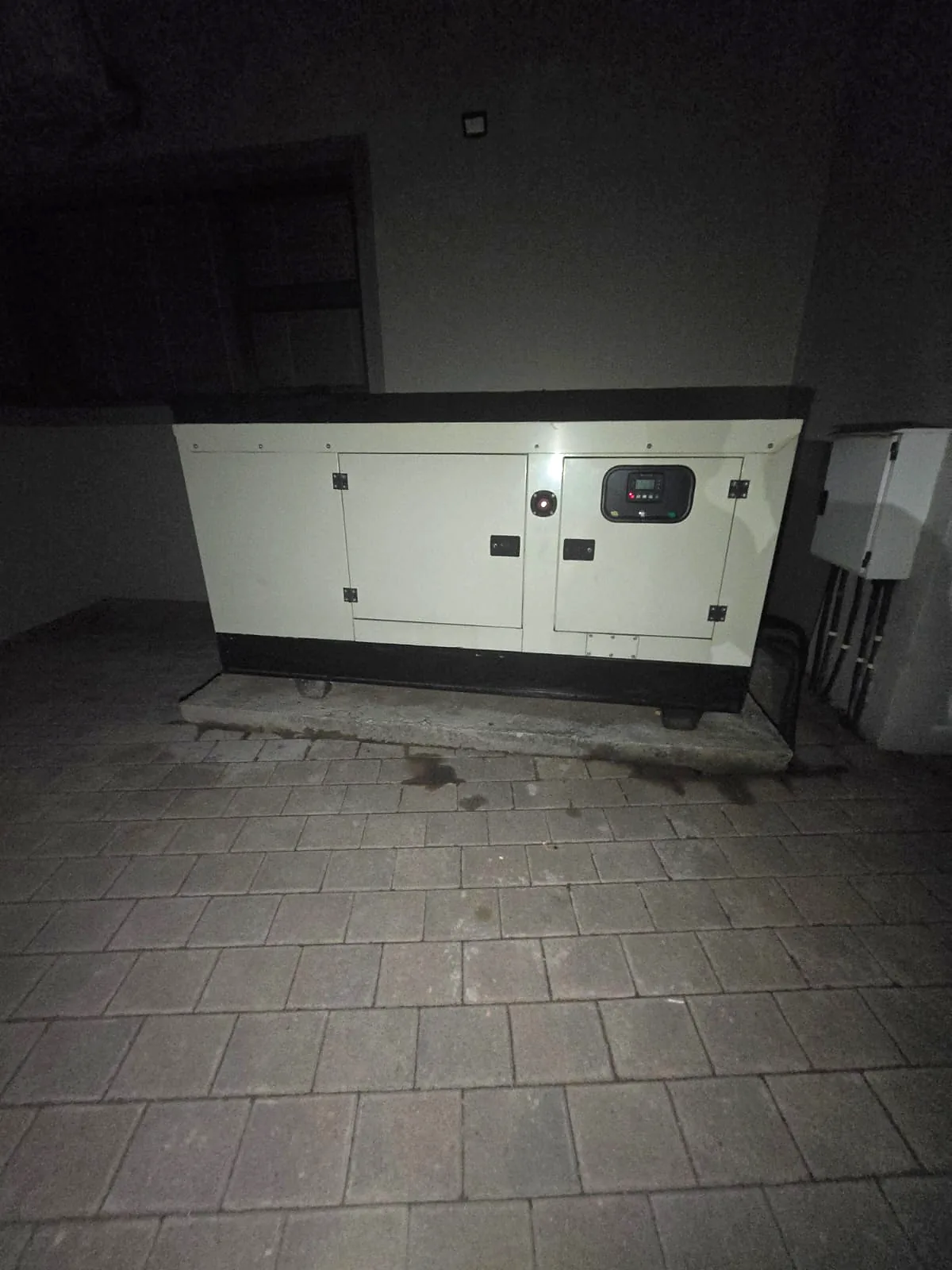
A standby generator photographed at nightRelated: Emergency repairs  (full-size photo, opens in a new tab)
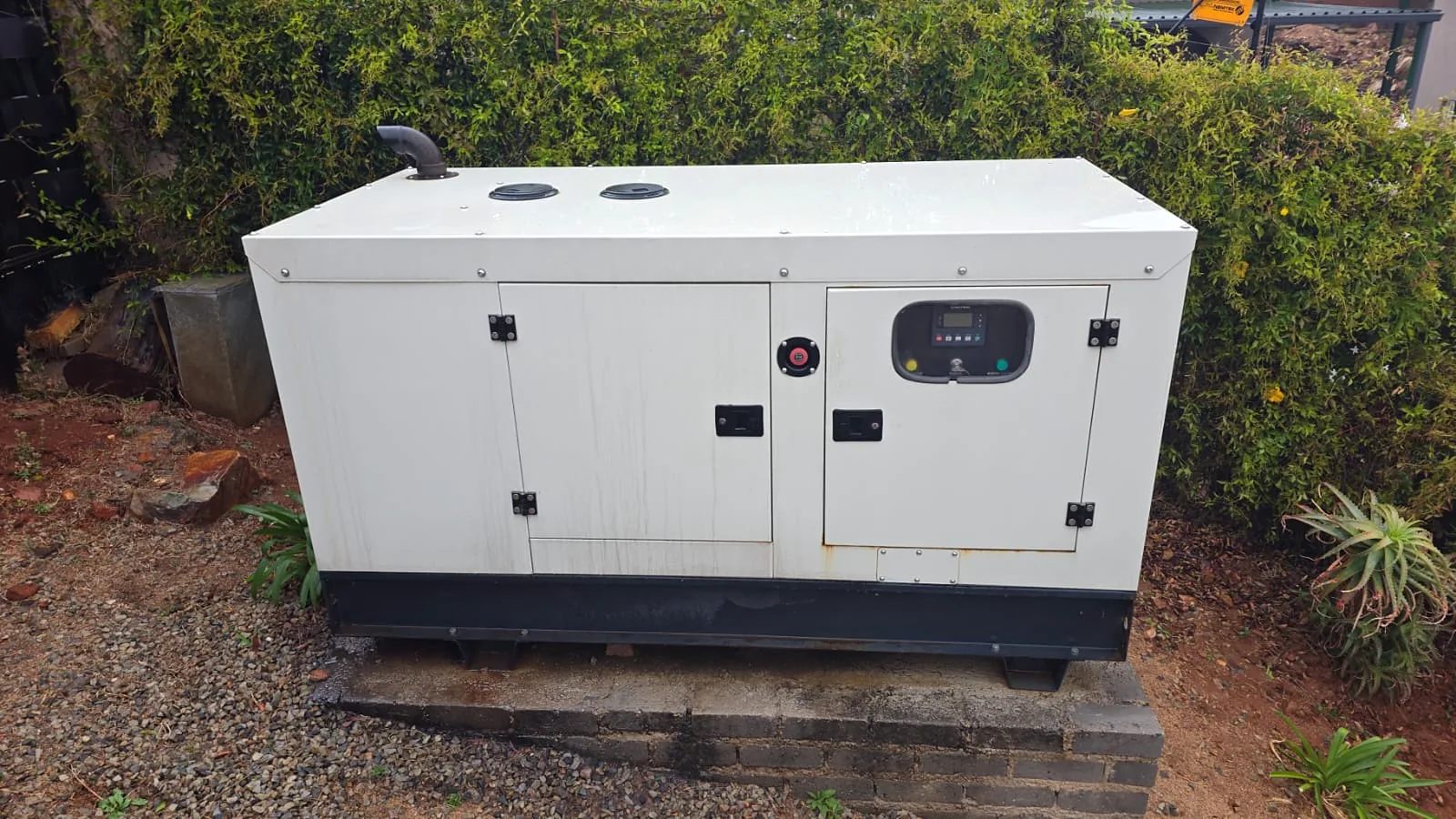
A silent diesel generator on a raised plinth in a gardenRelated: Standby generators  (full-size photo, opens in a new tab)
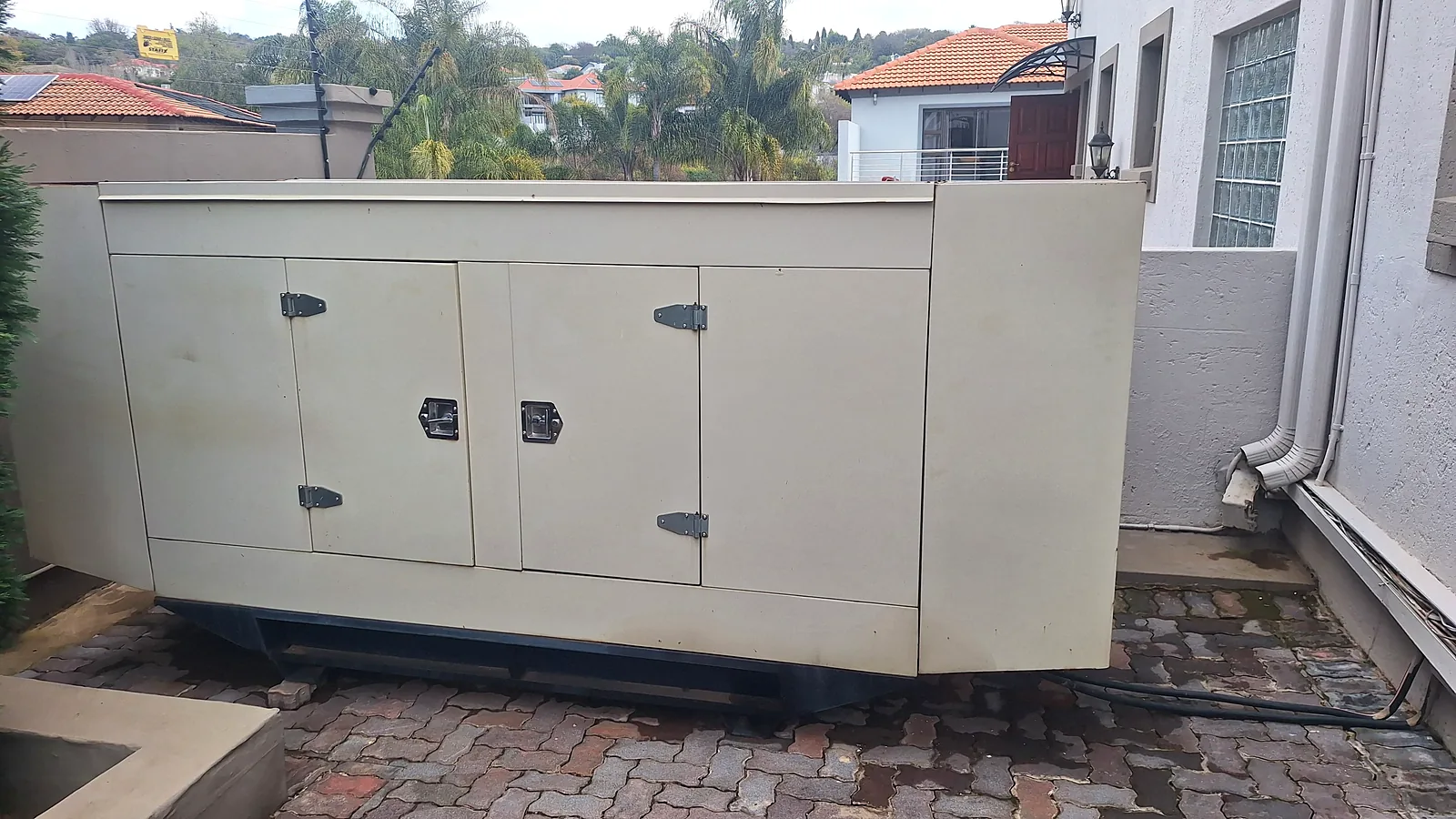
A large standby generator beside a homeRelated: Homes and estates  (full-size photo, opens in a new tab)
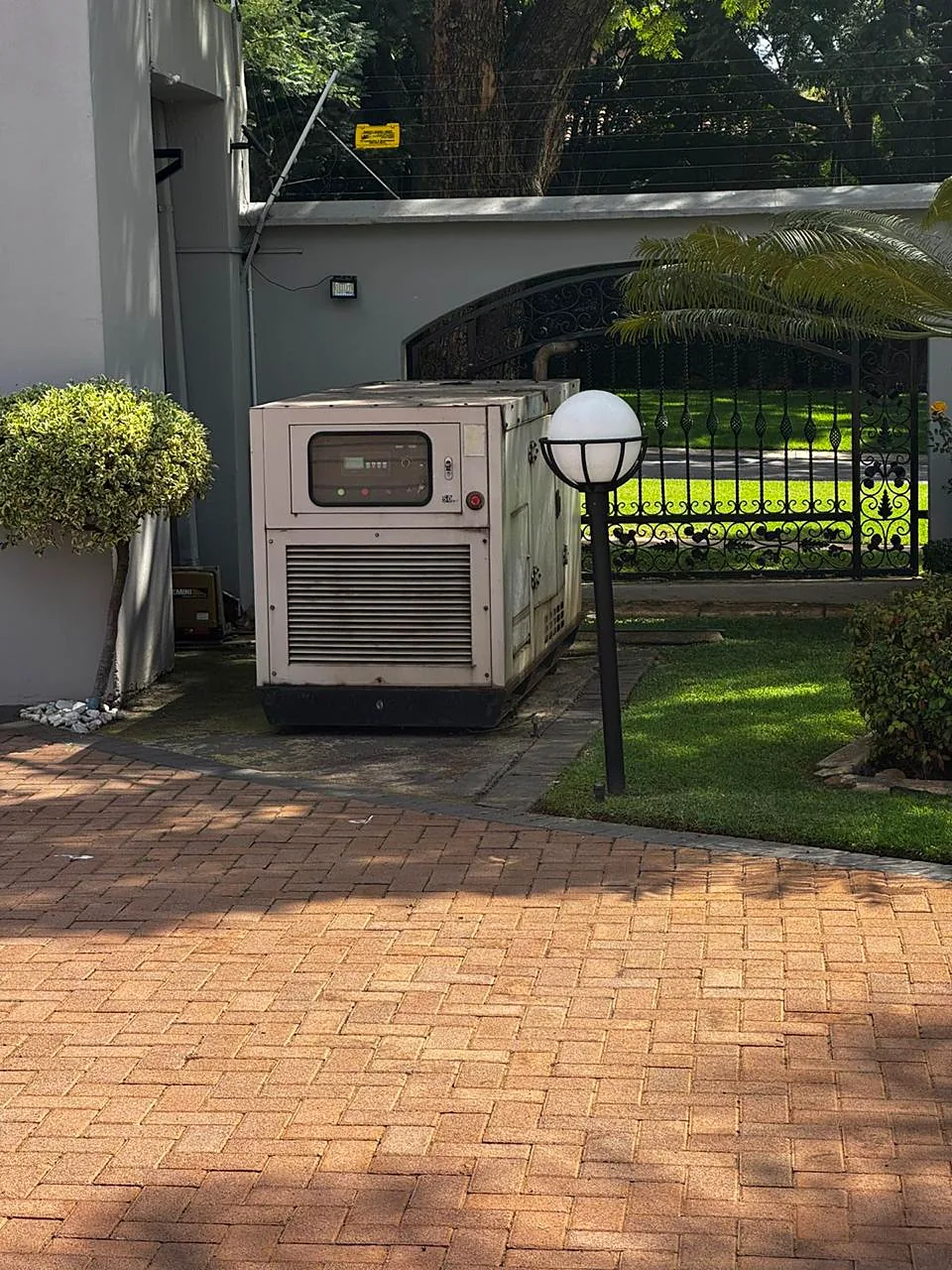
A standby generator beside the driveway of a large homeRelated: Homes and estates 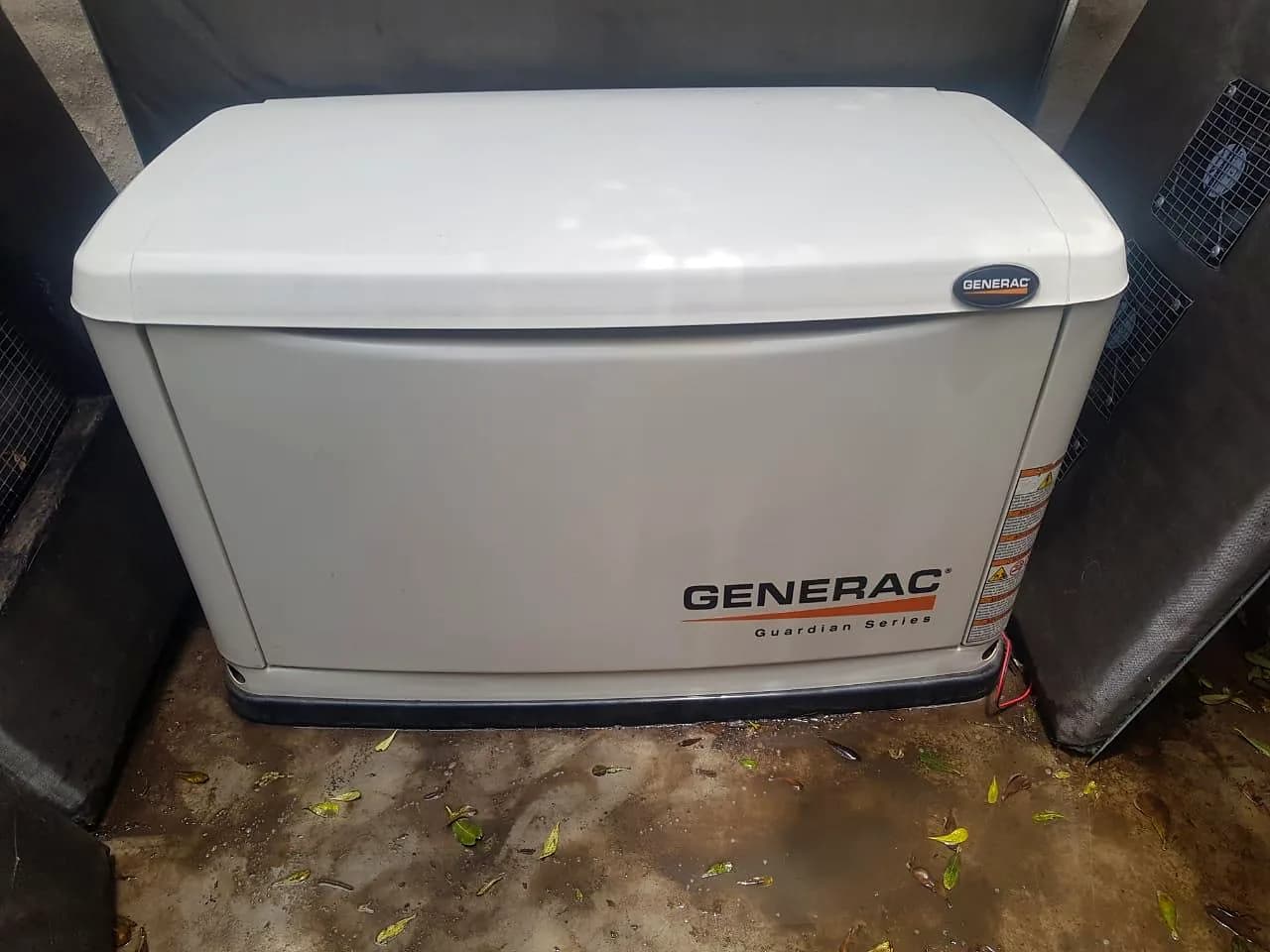 (full-size photo, opens in a new tab)
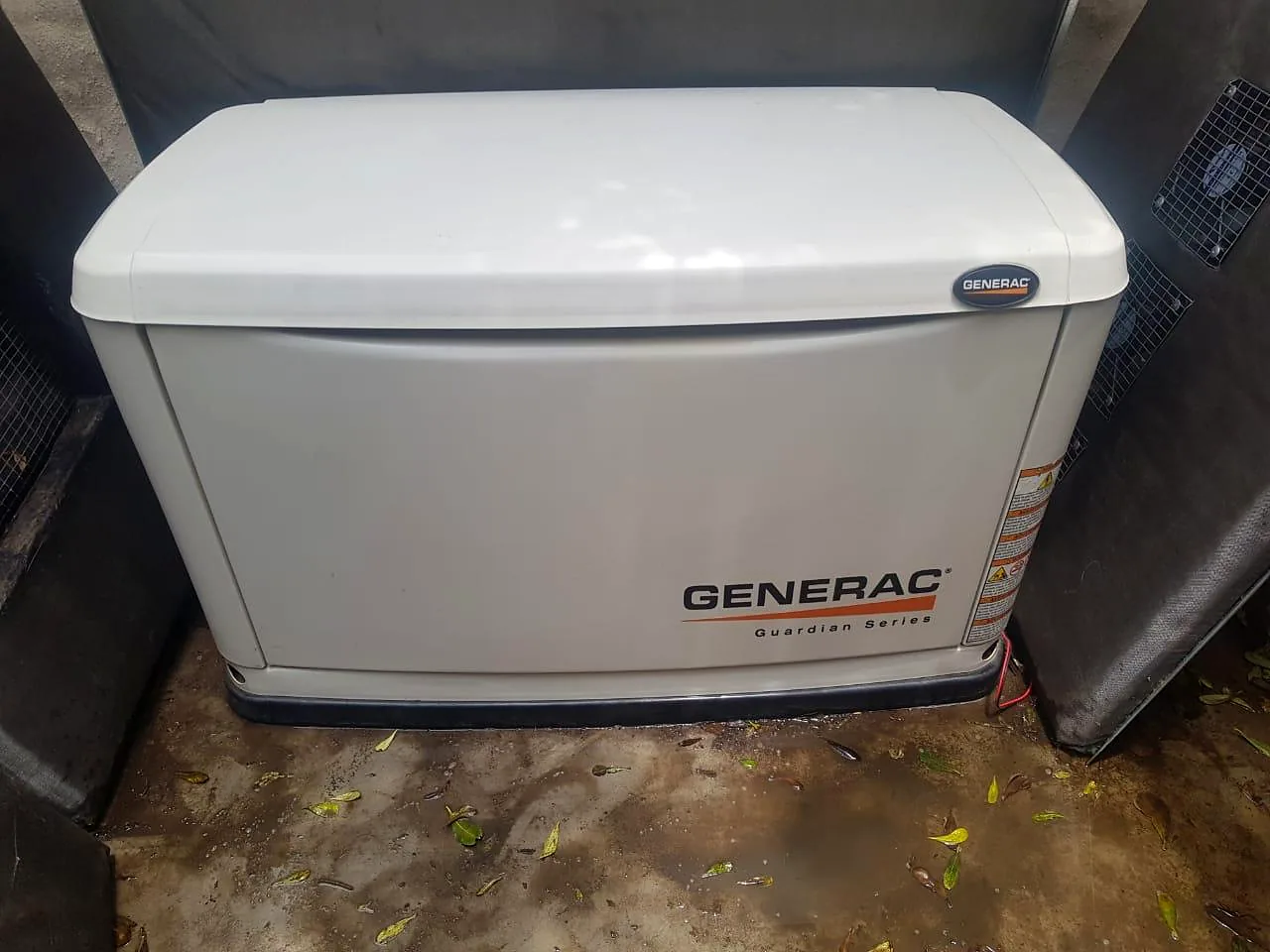
A Generac Guardian home standby generatorRelated: Generac 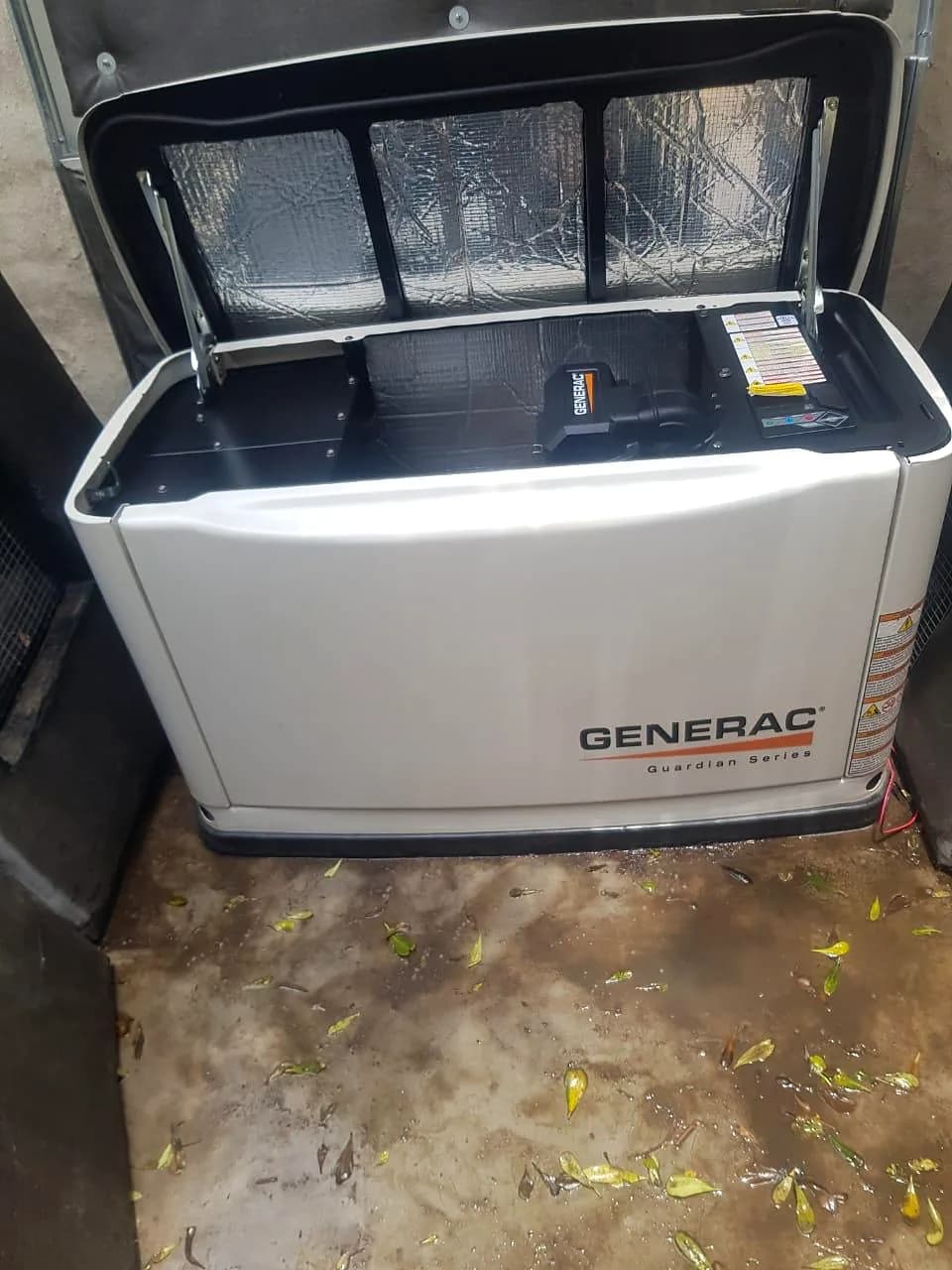 (full-size photo, opens in a new tab)
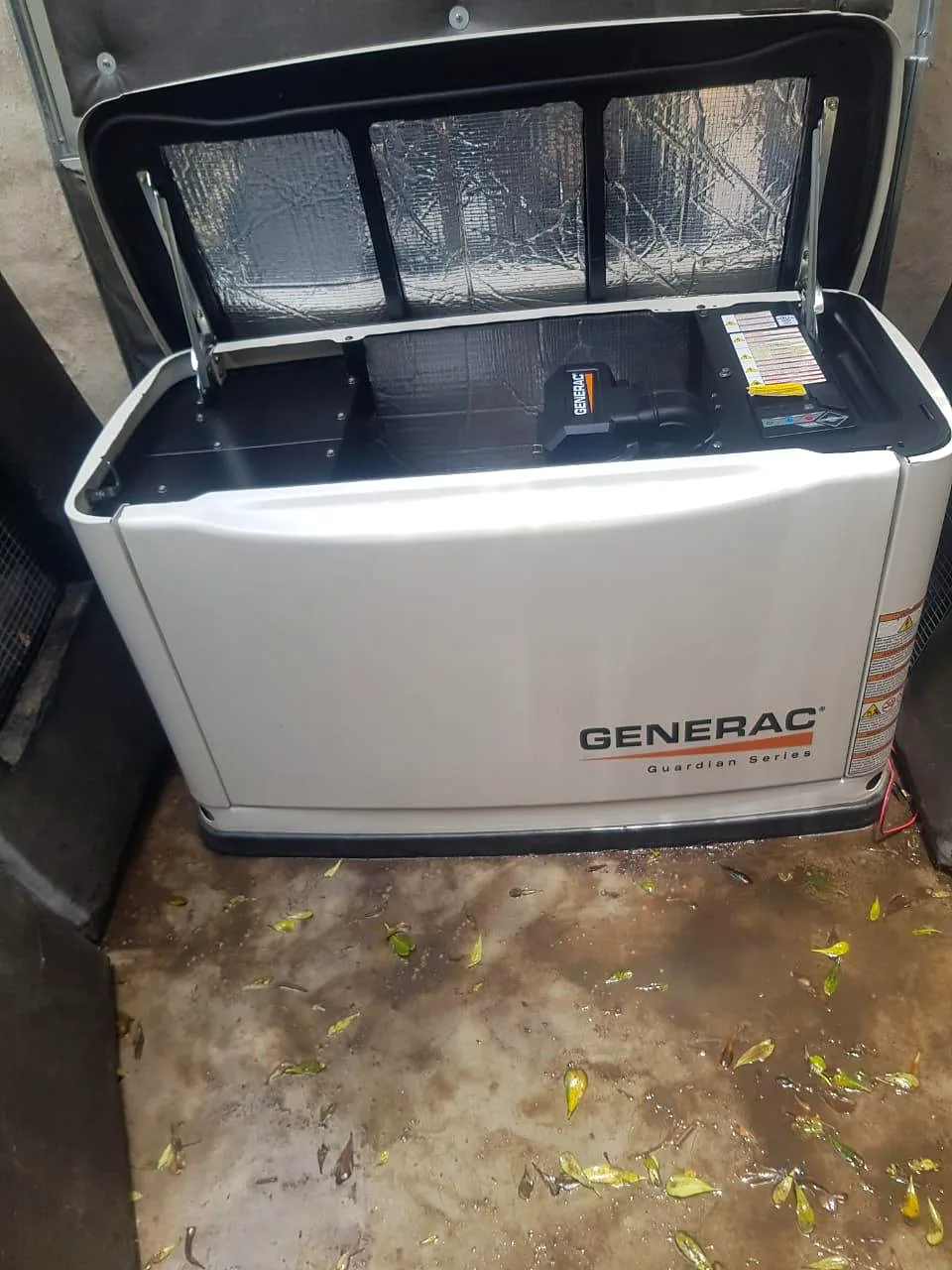
A Generac standby generator with the lid raisedRelated: Generac
Show all 20 photosShow fewer photos
 (full-size photo, opens in a new tab)
A gas-fuelled home standby generator and its gas supply pipeRelated: Gas generators 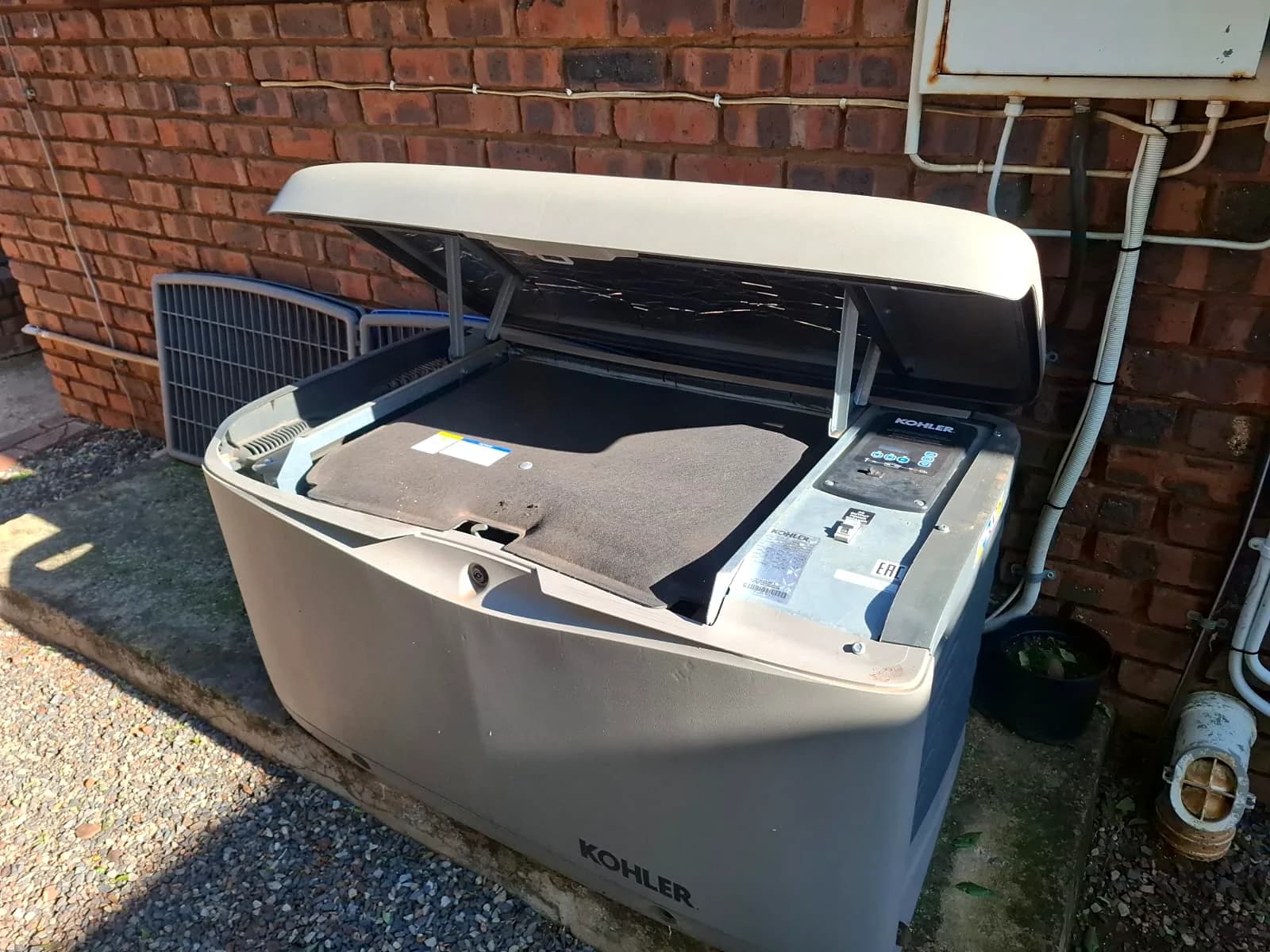 (full-size photo, opens in a new tab)
A Kohler home standby generator with the lid openRelated: SDMO and Kohler  (full-size photo, opens in a new tab)
A small silent diesel generator with automatic start, in a brick alcoveRelated: ATS and changeover problems 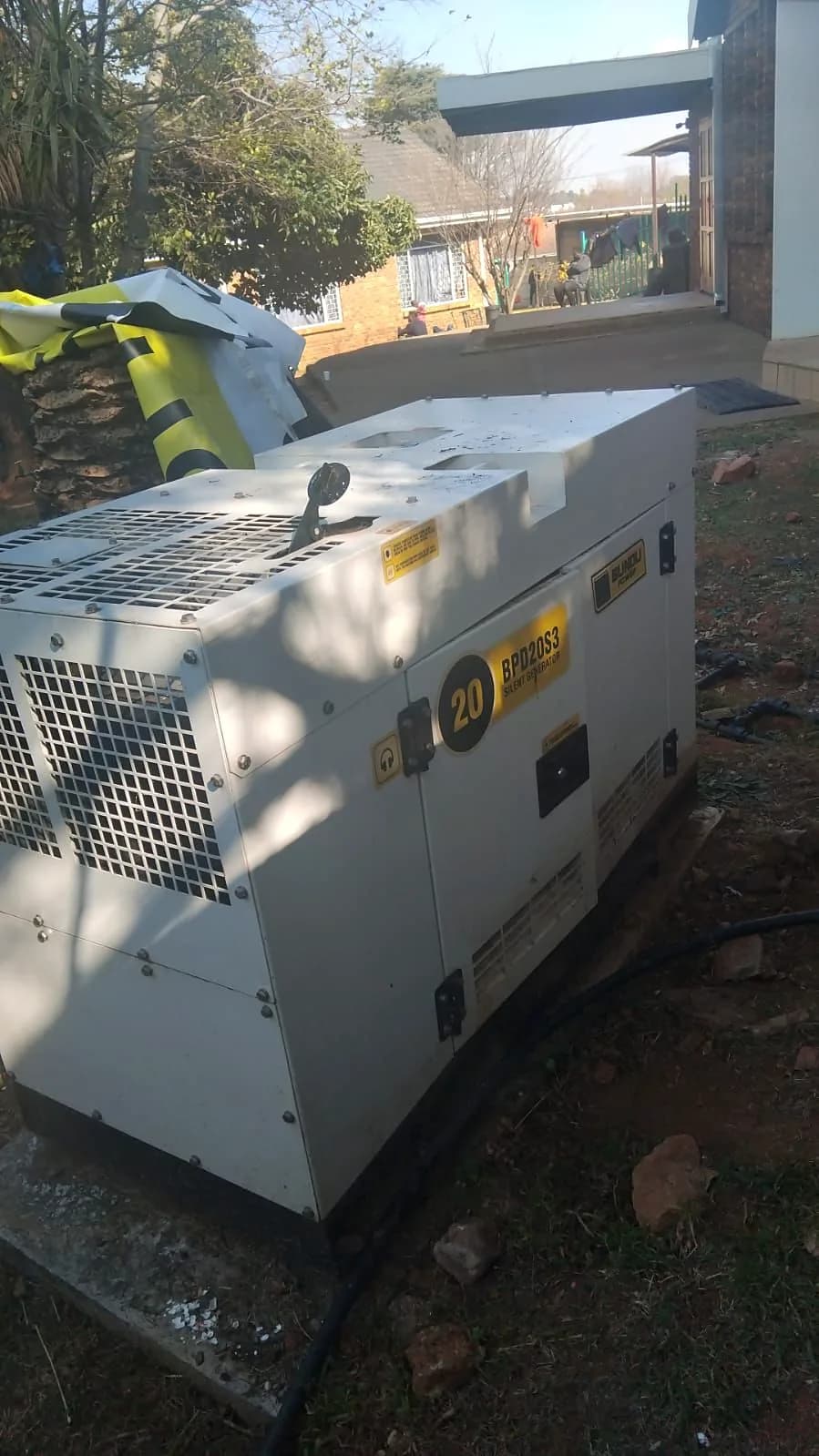 (full-size photo, opens in a new tab)
A silent diesel generator in a residential gardenRelated: Coolant and radiator care  (full-size photo, opens in a new tab)
A generator in a narrow side passage, with the exhaust routed up the wallRelated: Smoke 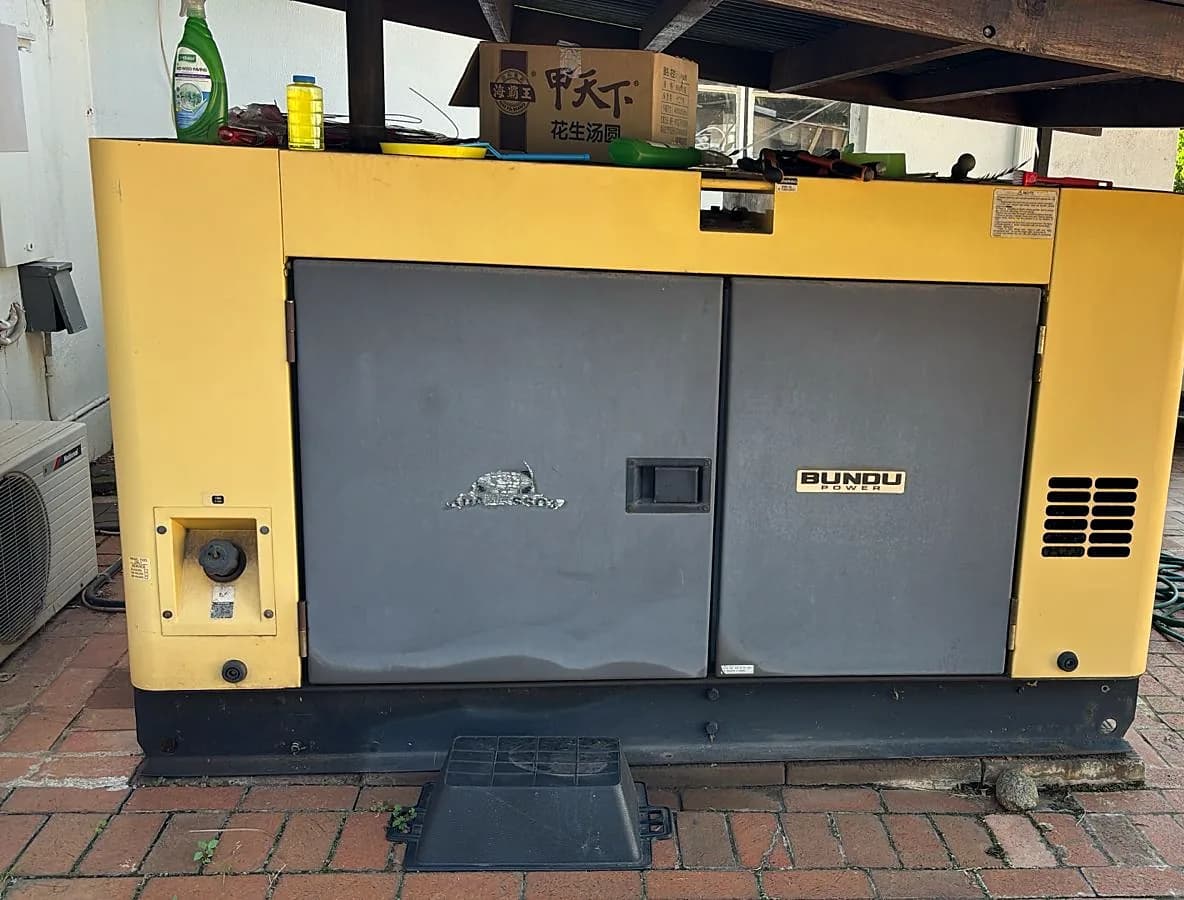 (full-size photo, opens in a new tab)
A silent generator under a carportRelated: Standby generators 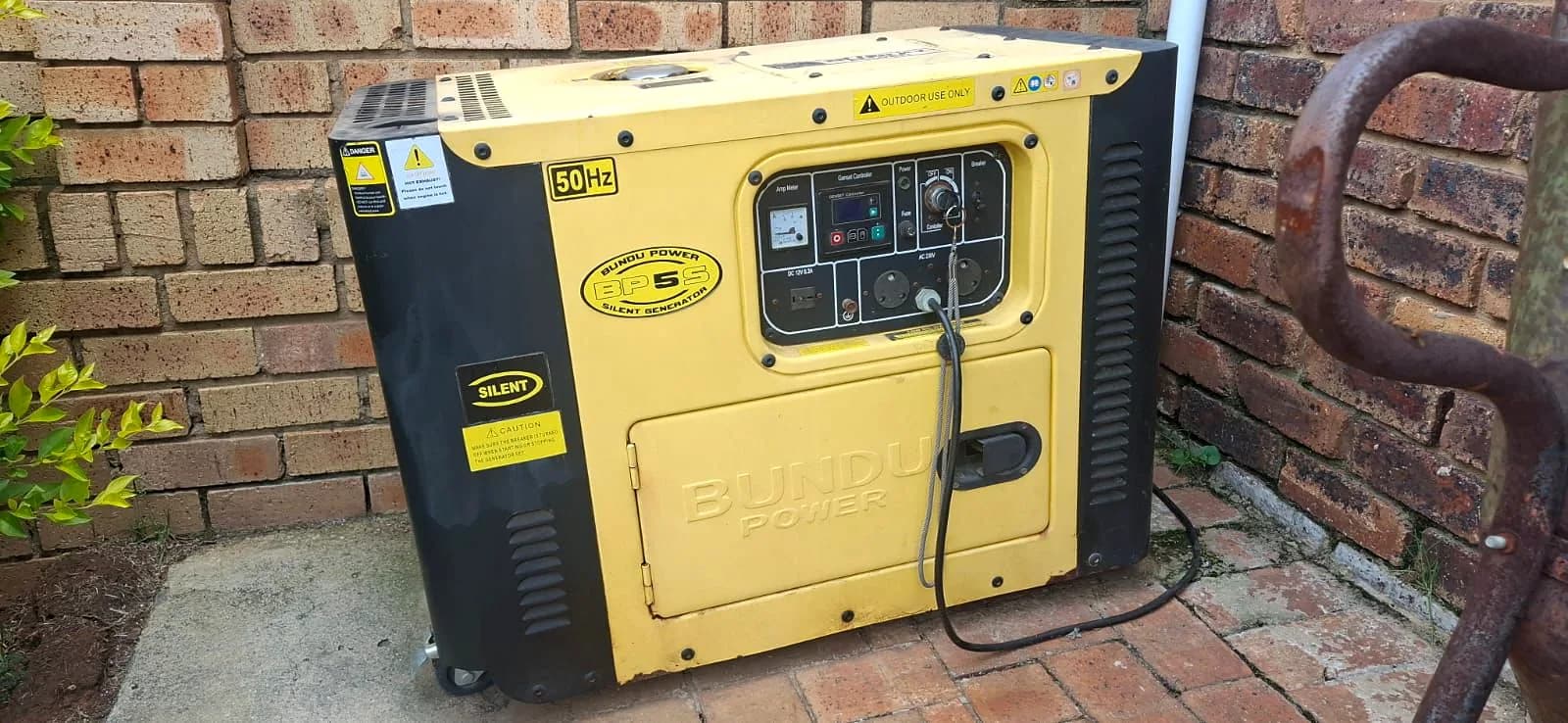 (full-size photo, opens in a new tab)
A compact silent diesel generator against a brick wallRelated: Standby generators  (full-size photo, opens in a new tab)
A canopied generator on a concrete base beside wet pavingRelated: Standby generators - (full-size photo, opens in a new tab)
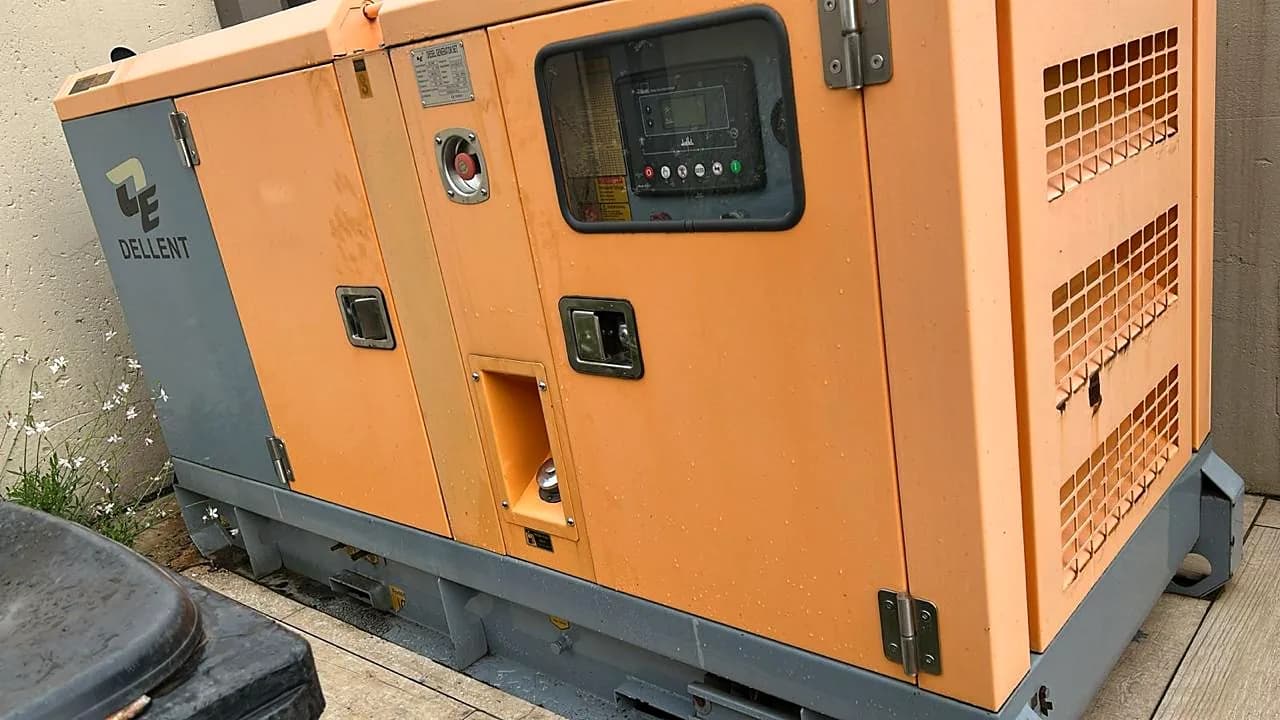
An orange silent diesel generator with its controller windowRelated: Diesel generators 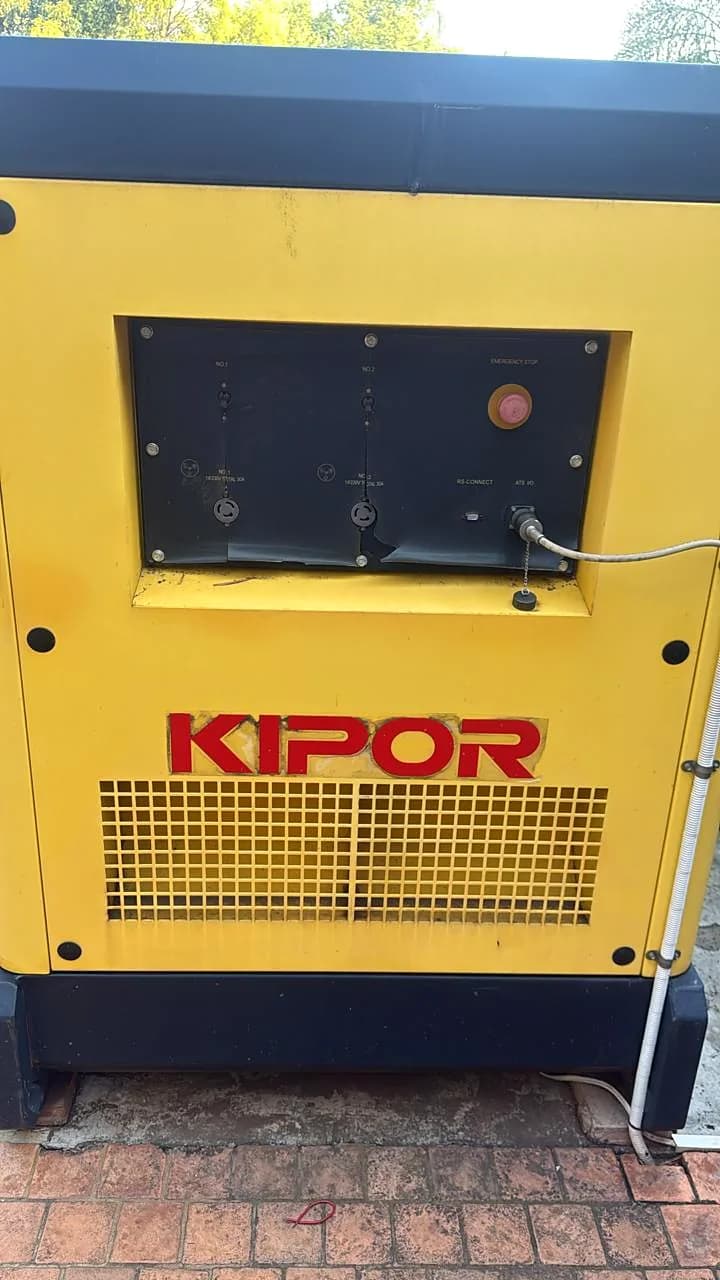 (full-size photo, opens in a new tab)
A Kipor diesel generator canopy and control panelRelated: Kipor 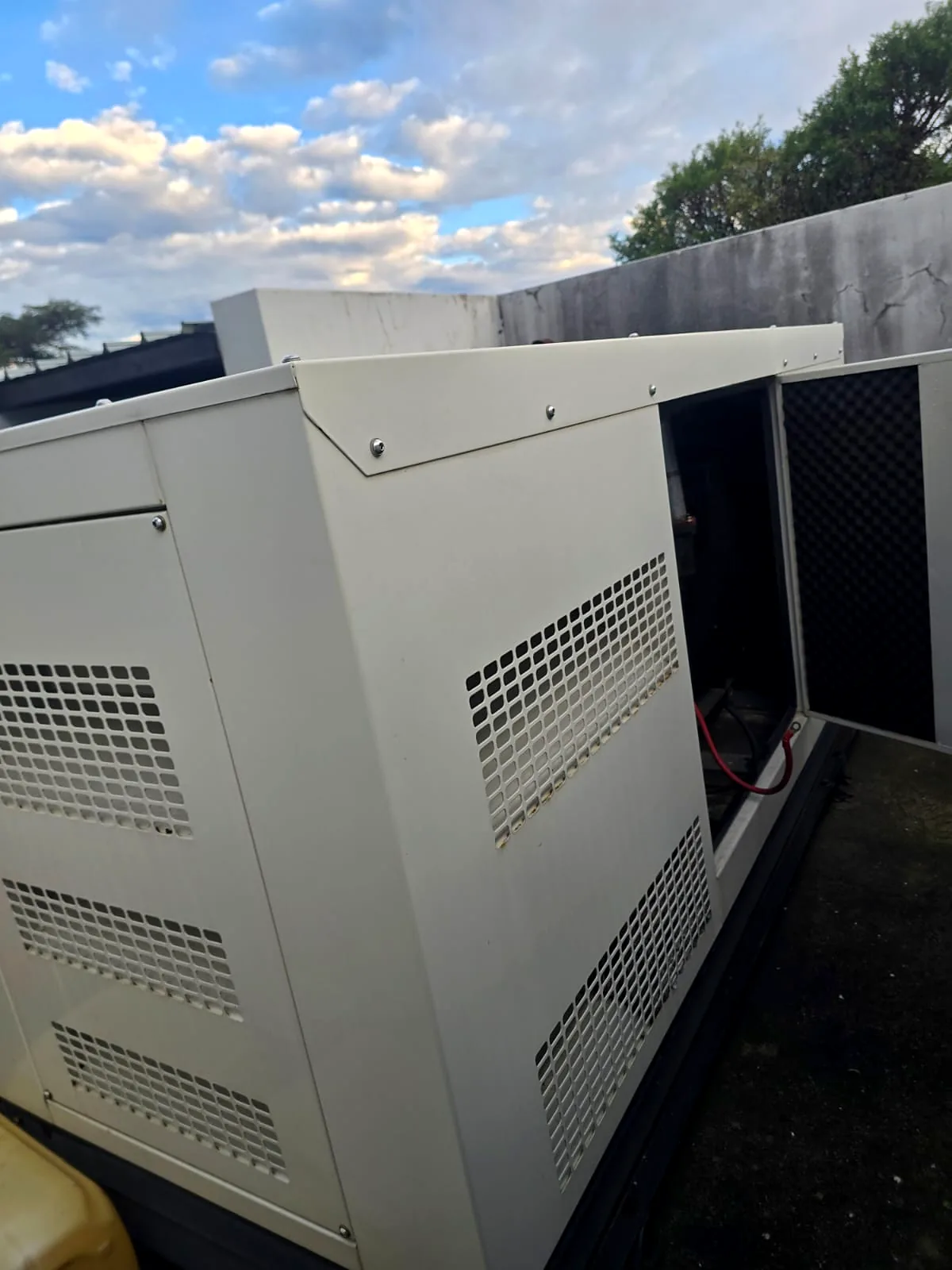 (full-size photo, opens in a new tab)
A canopied generator with its service door openRelated: Standby generators 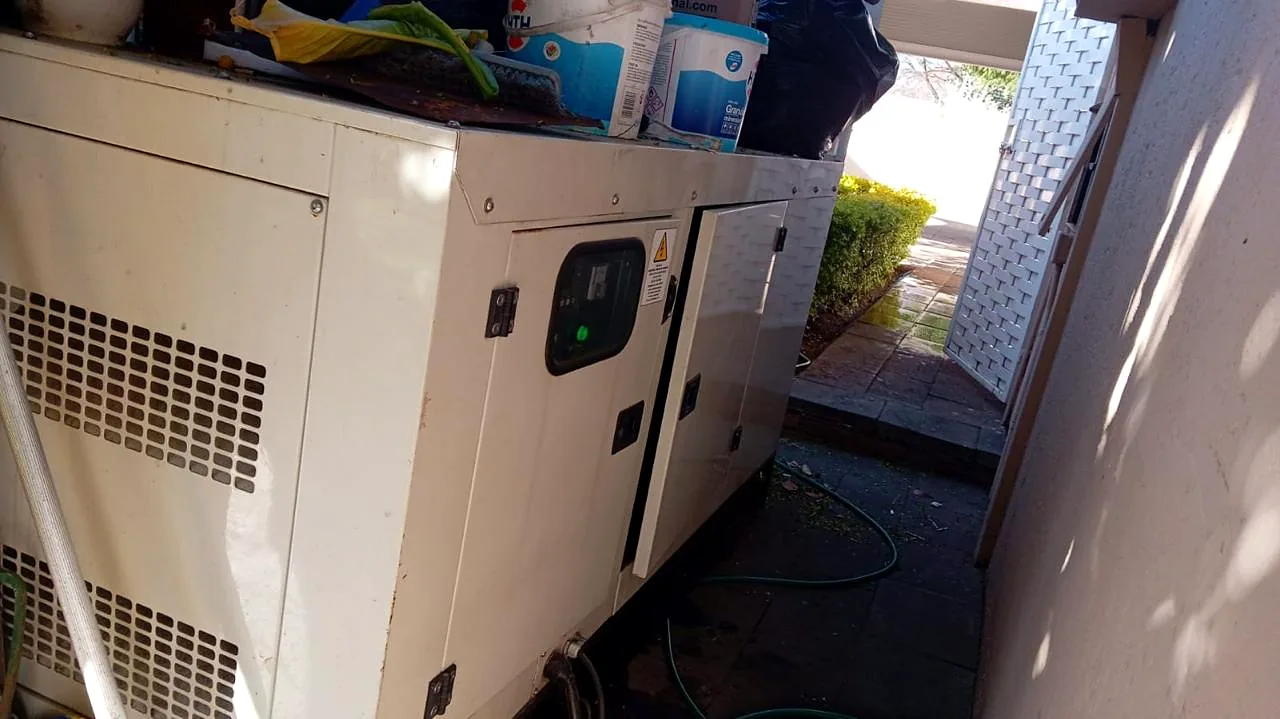 (full-size photo, opens in a new tab)
Items on the canopy and a tight passage restrict the cooling airRelated: Overheating 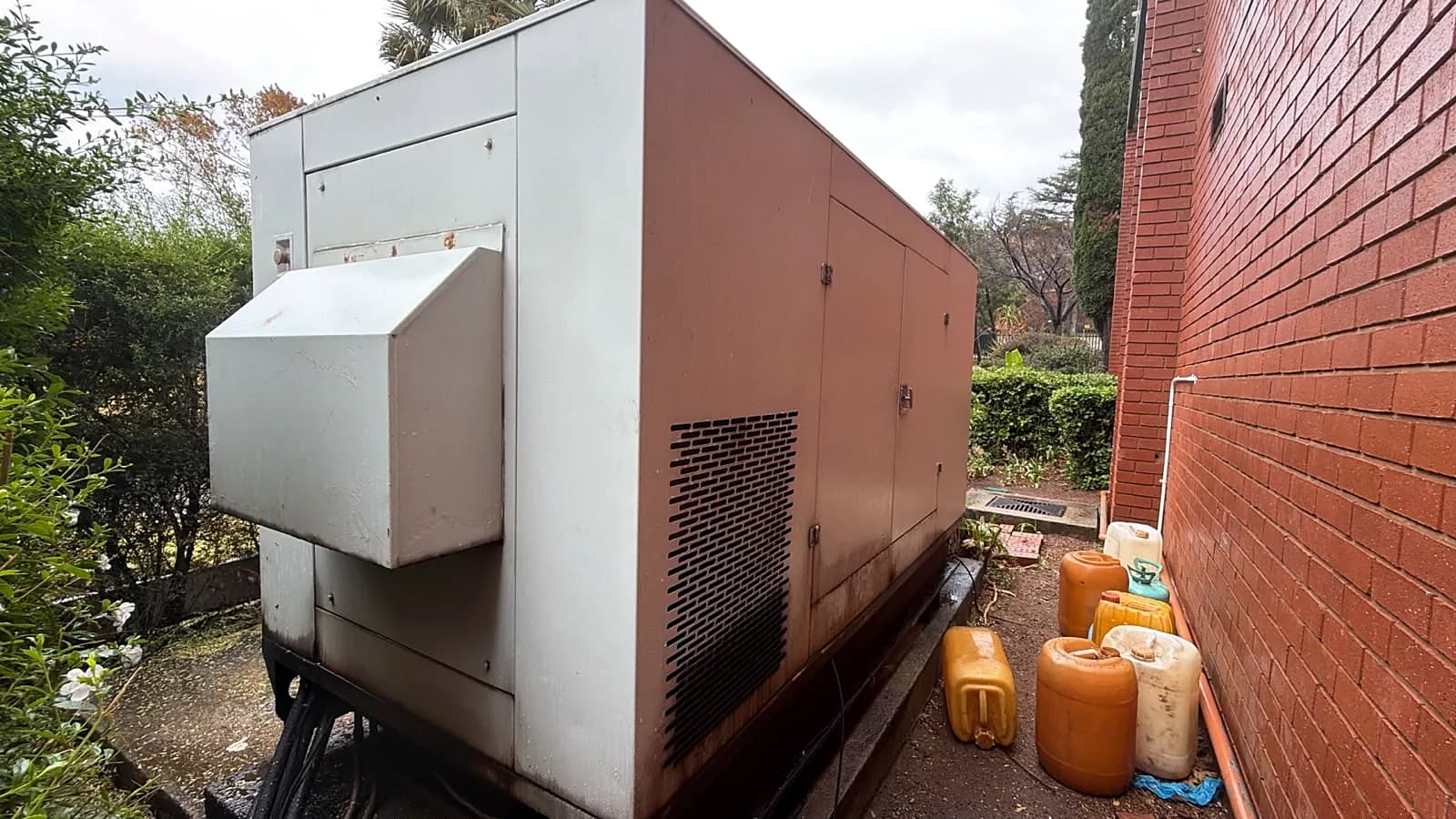 (full-size photo, opens in a new tab)
Stains along a canopy base, with fuel containers stored beside itRelated: Leaks 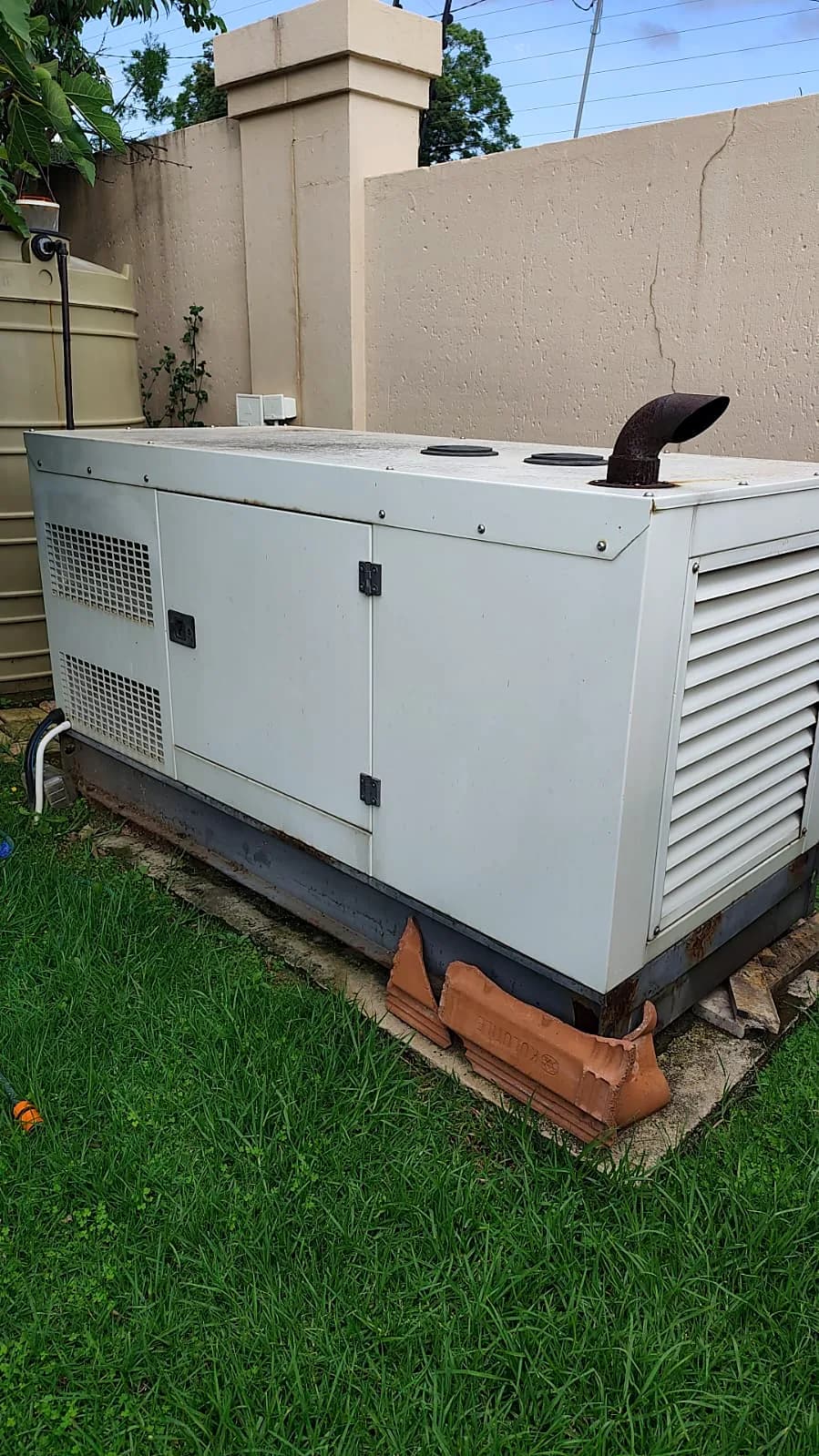 (full-size photo, opens in a new tab)
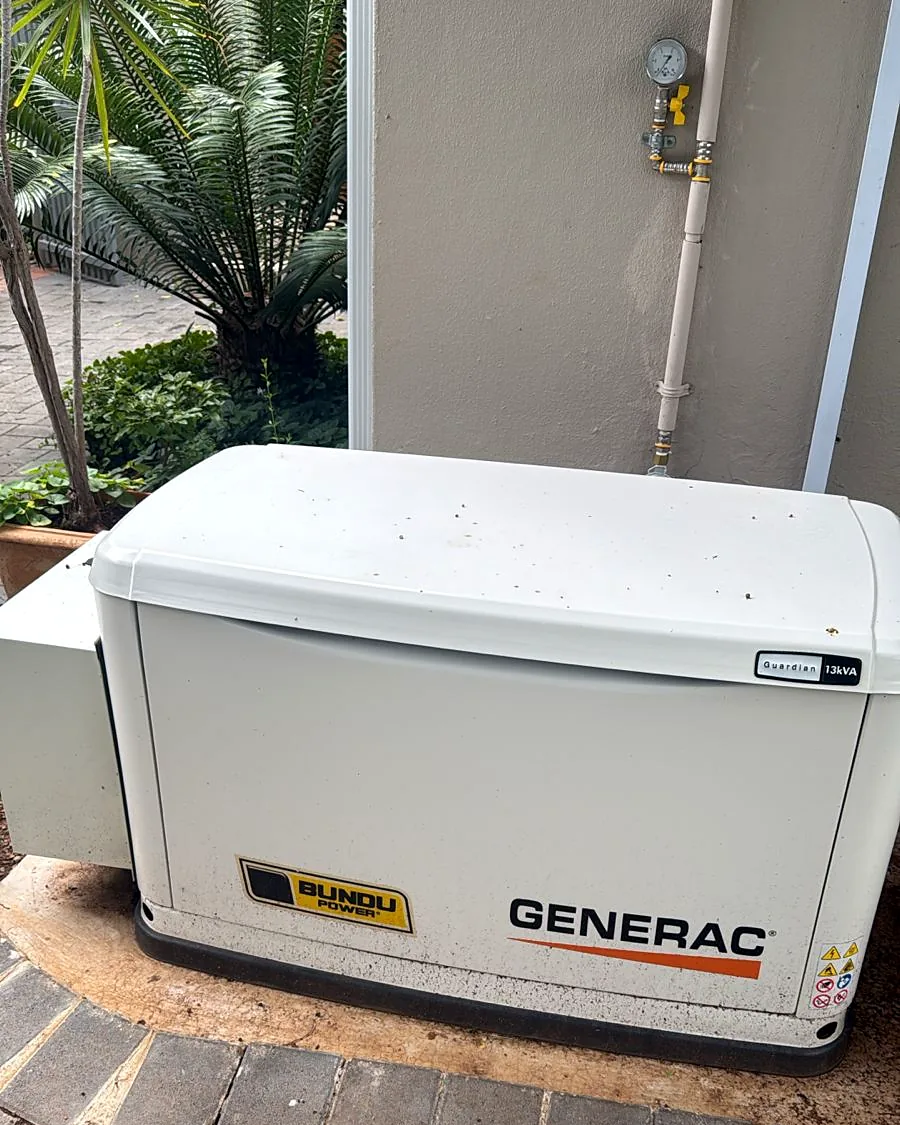
The exhaust outlet on the roof of a silent generatorRelated: Wet stacking
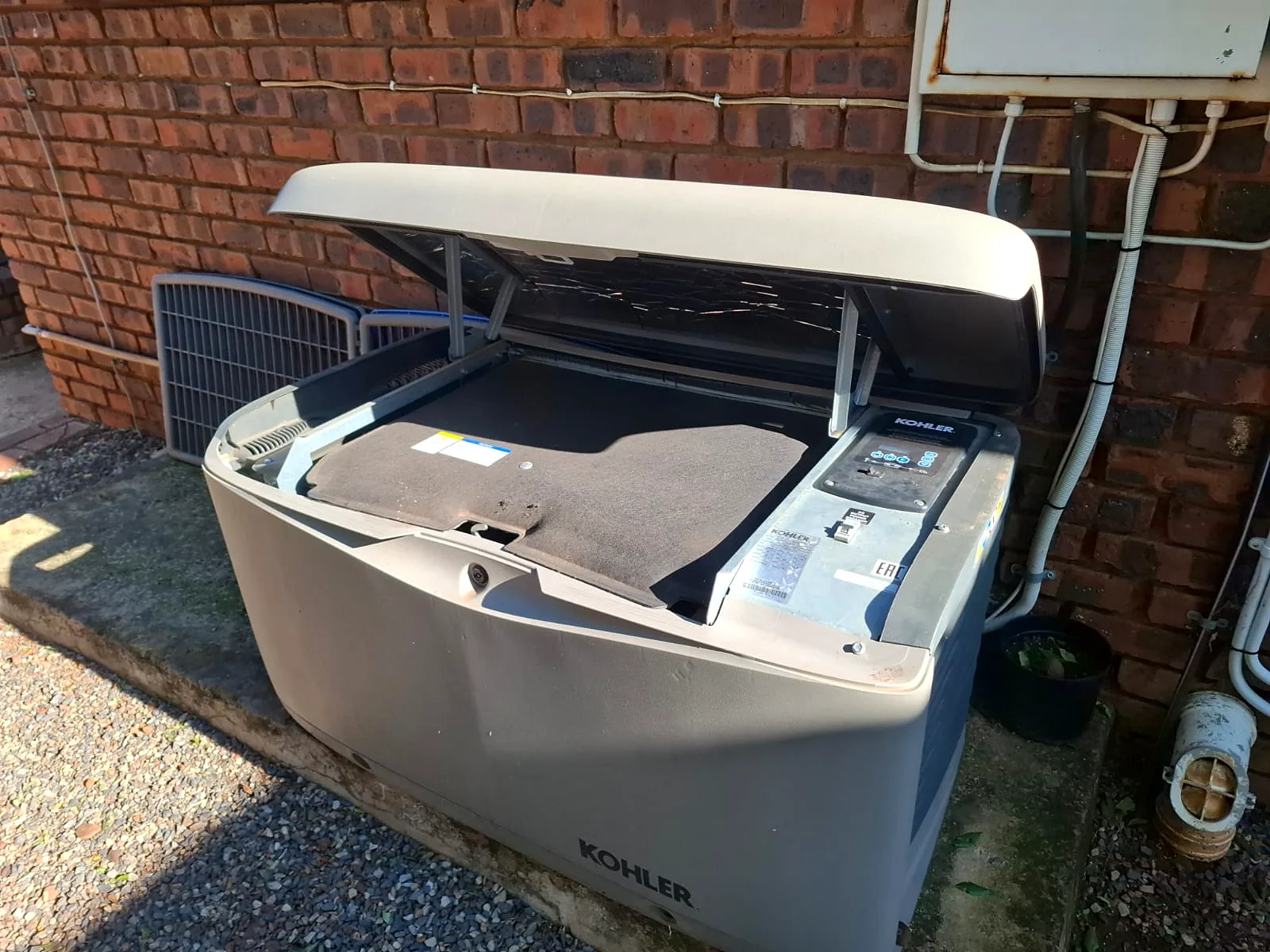
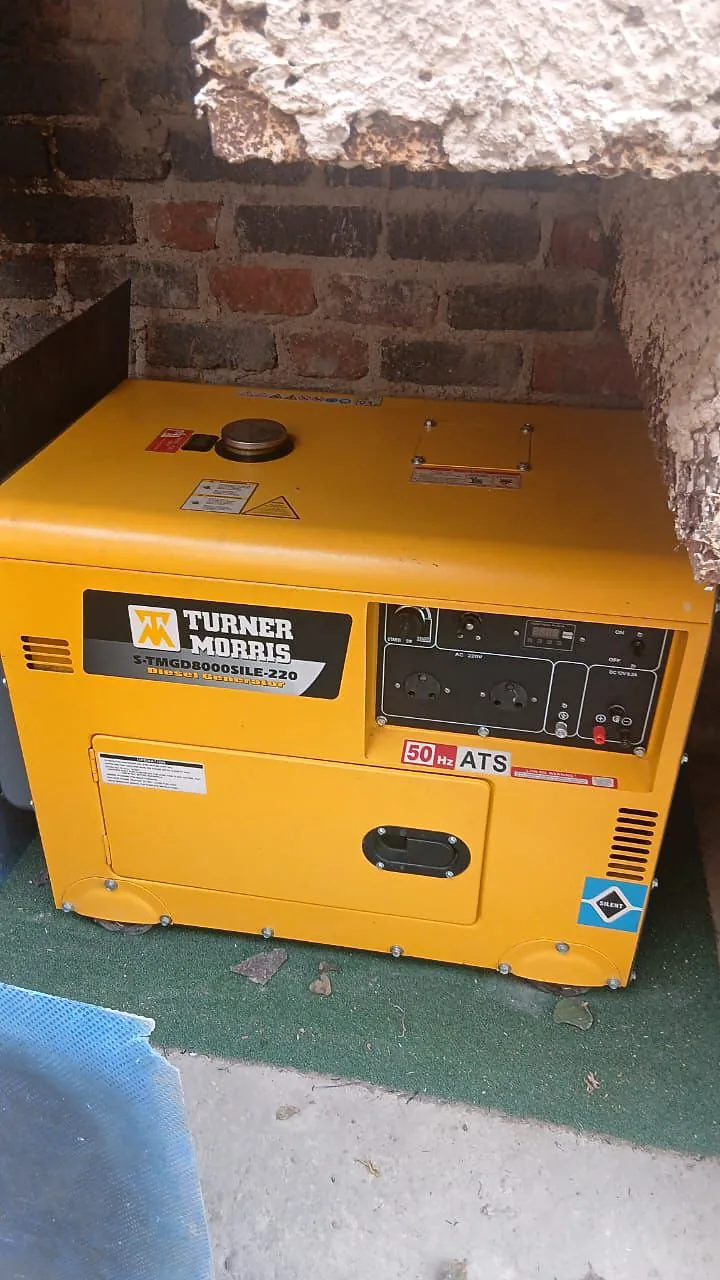
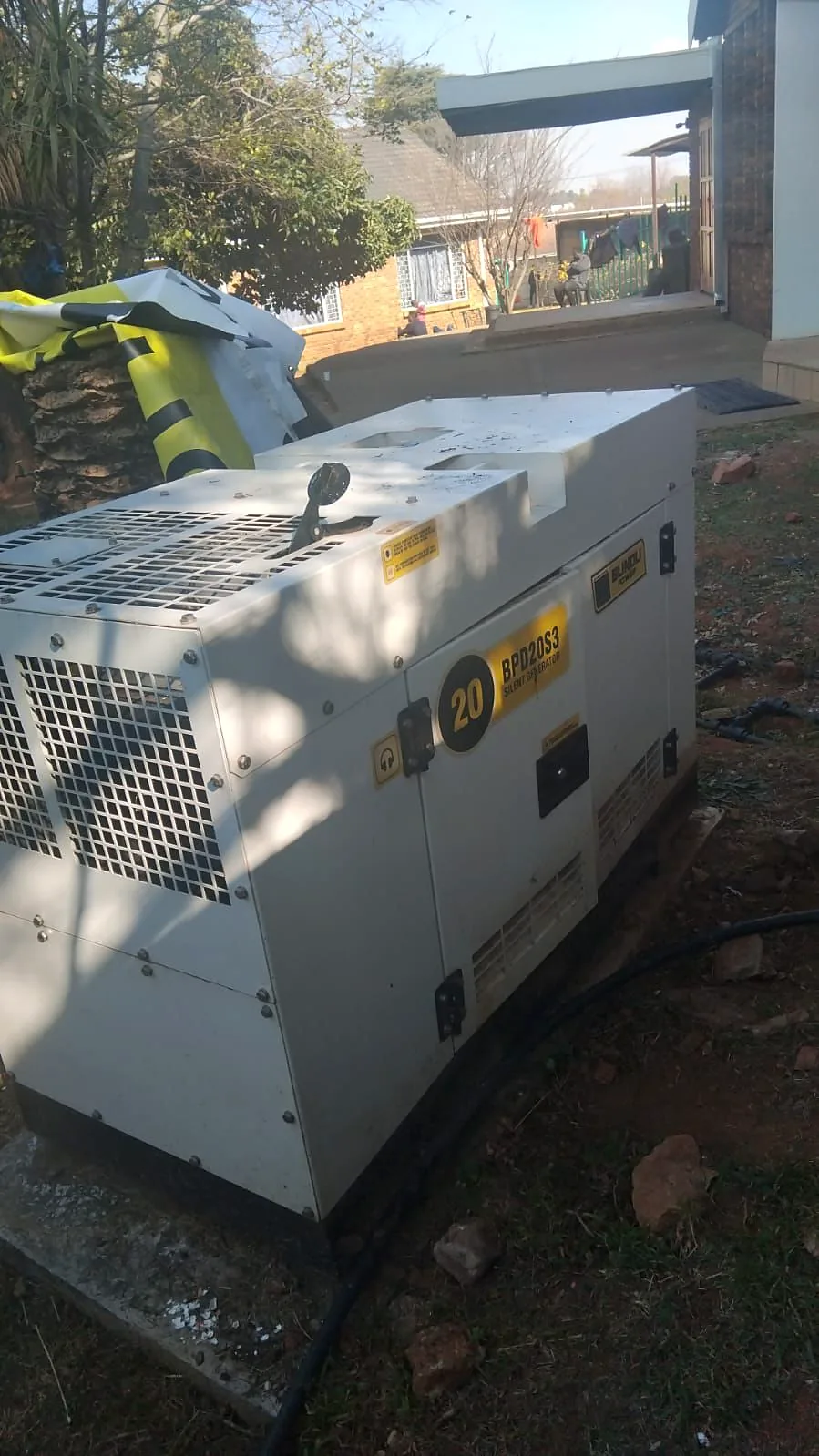
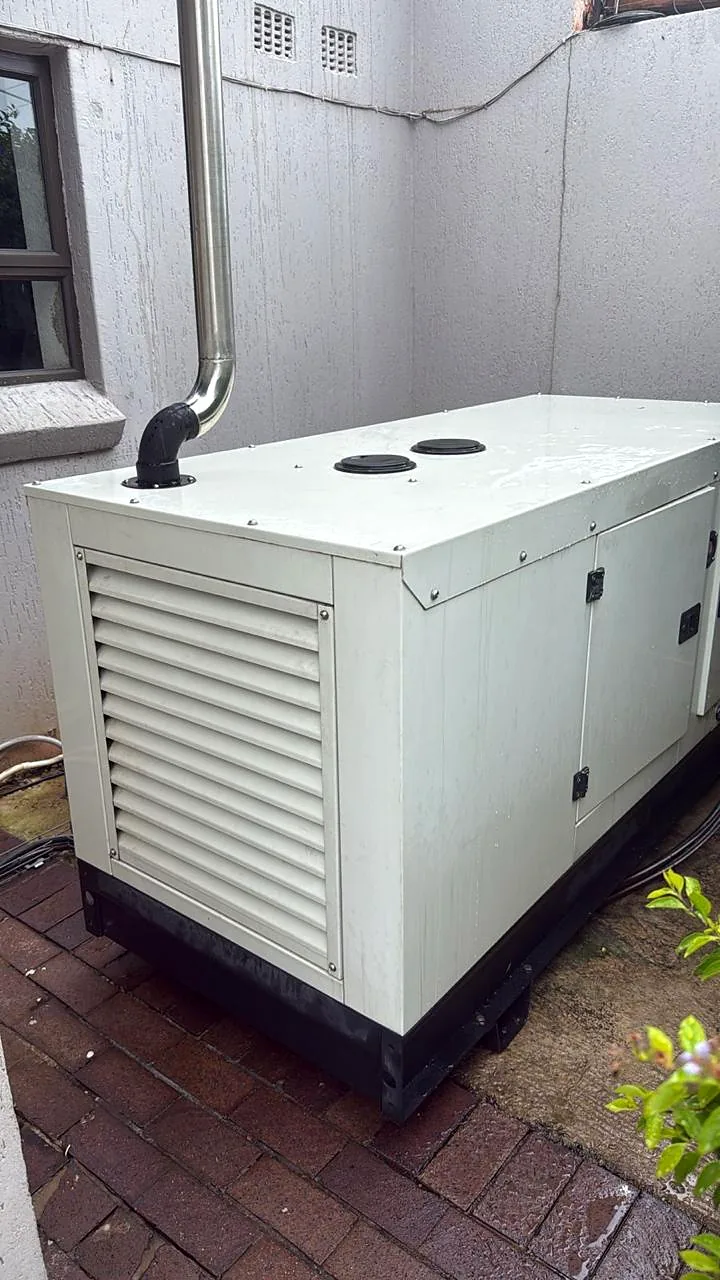
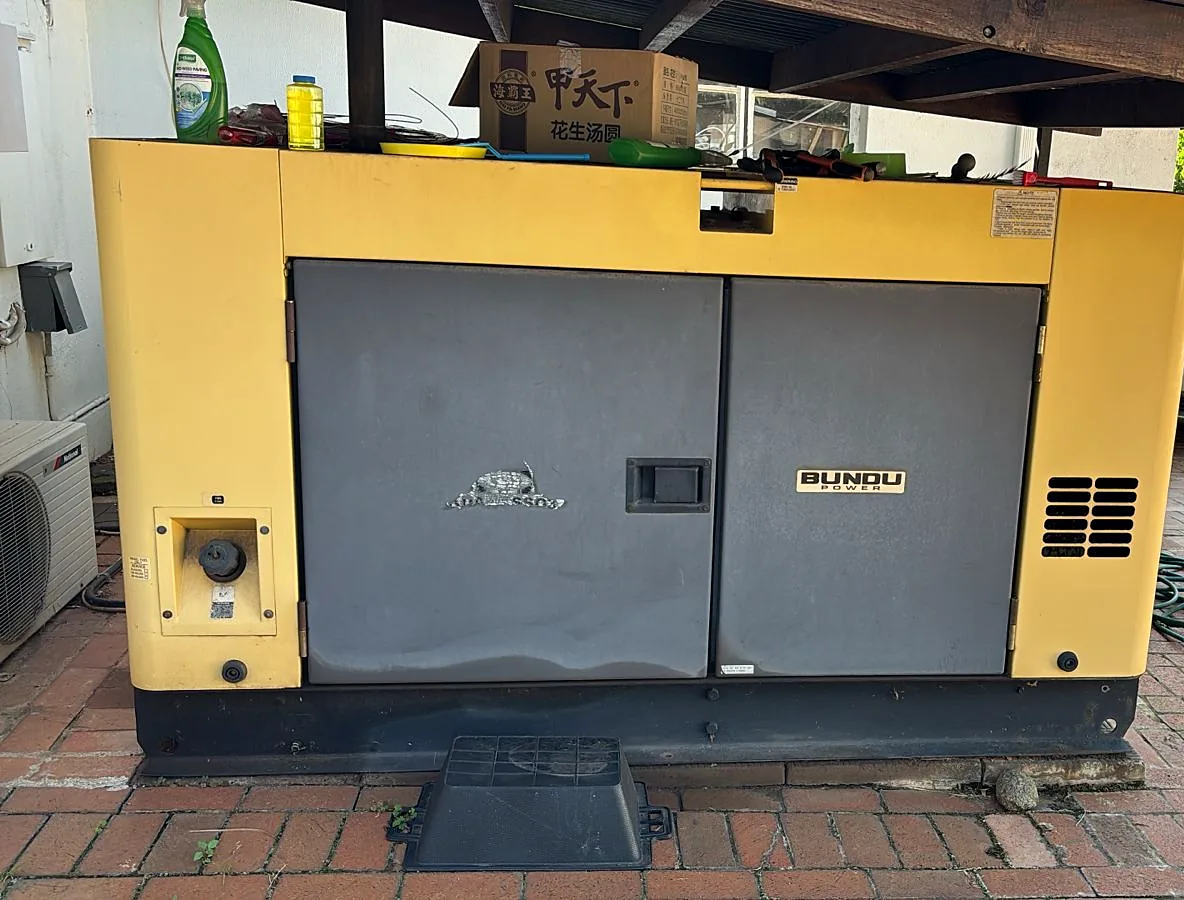
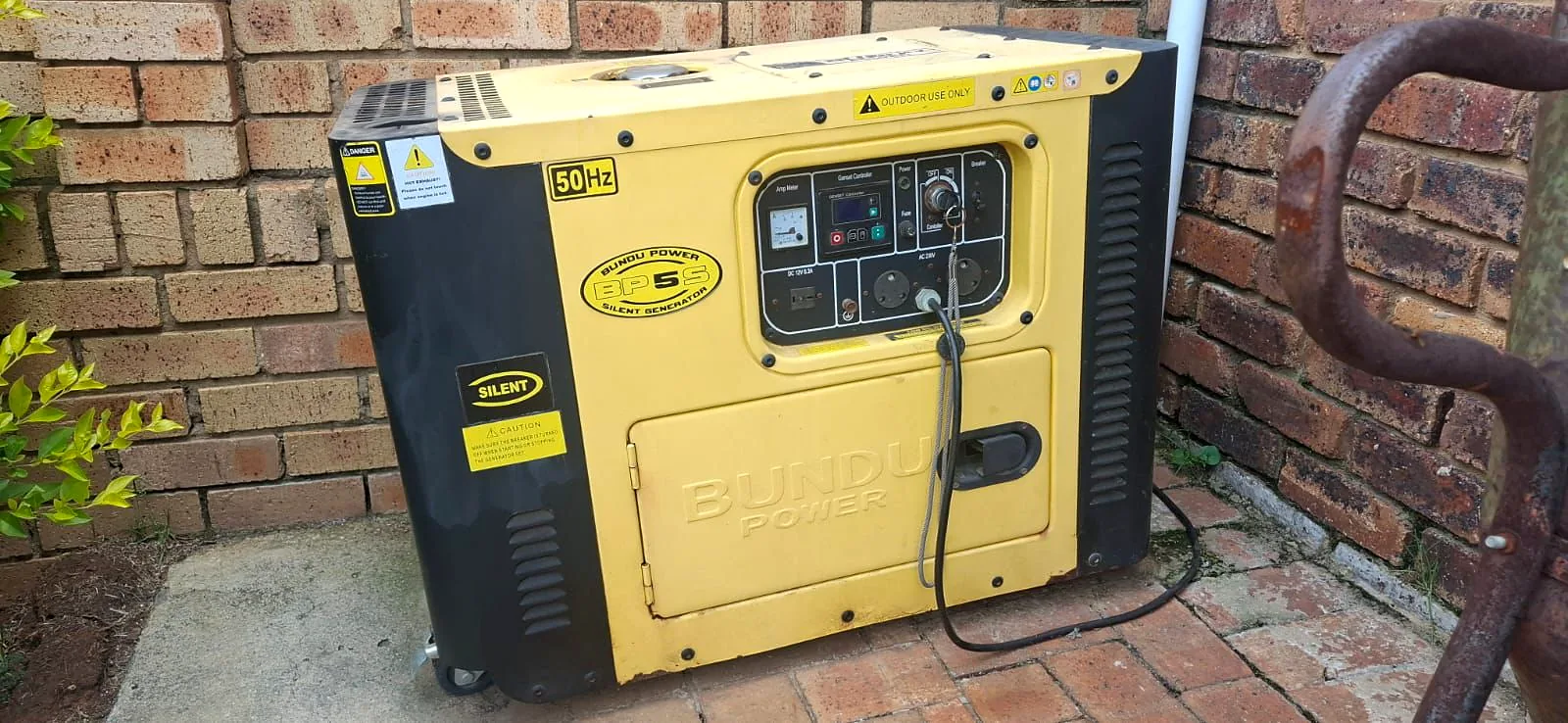
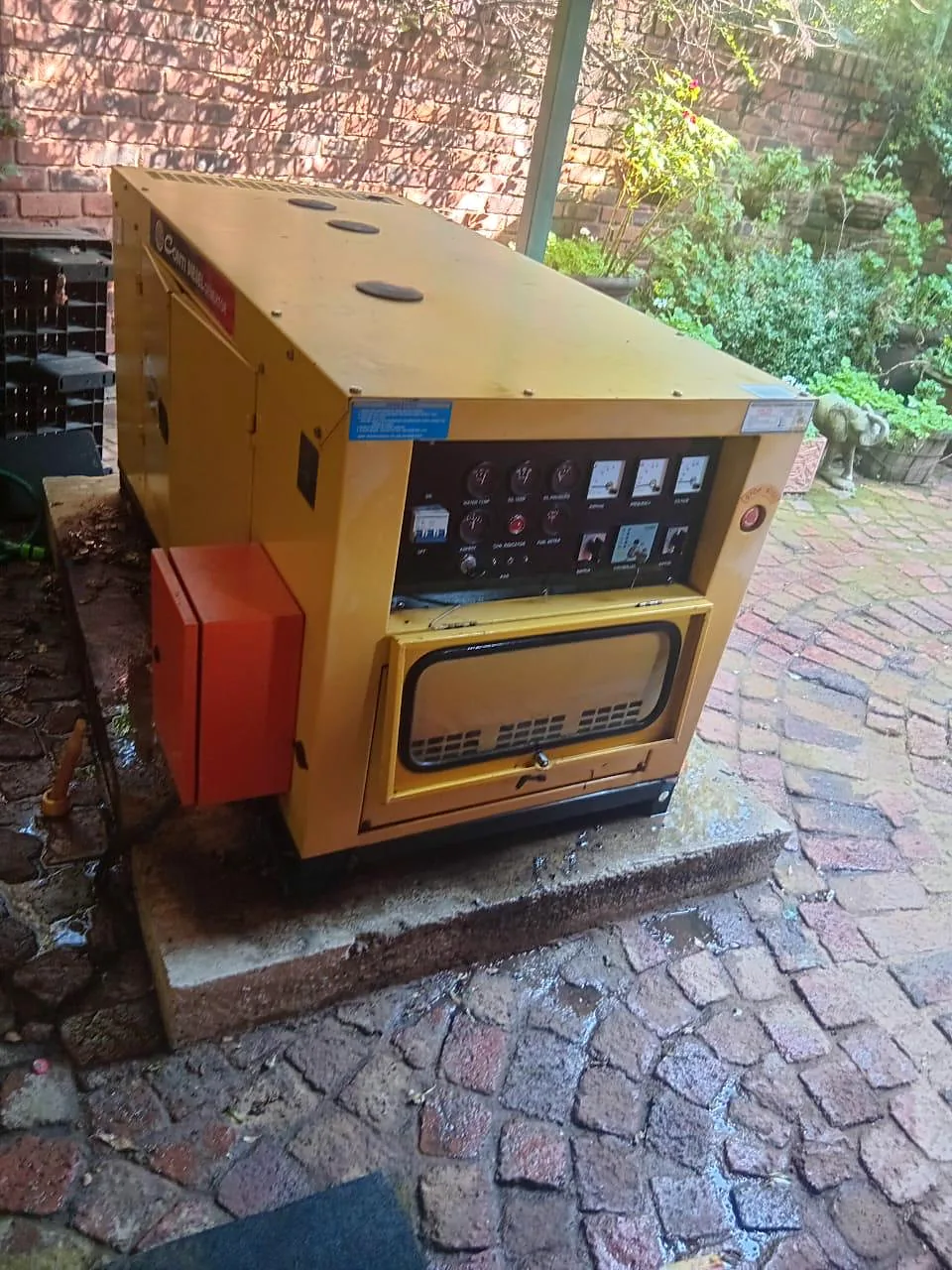
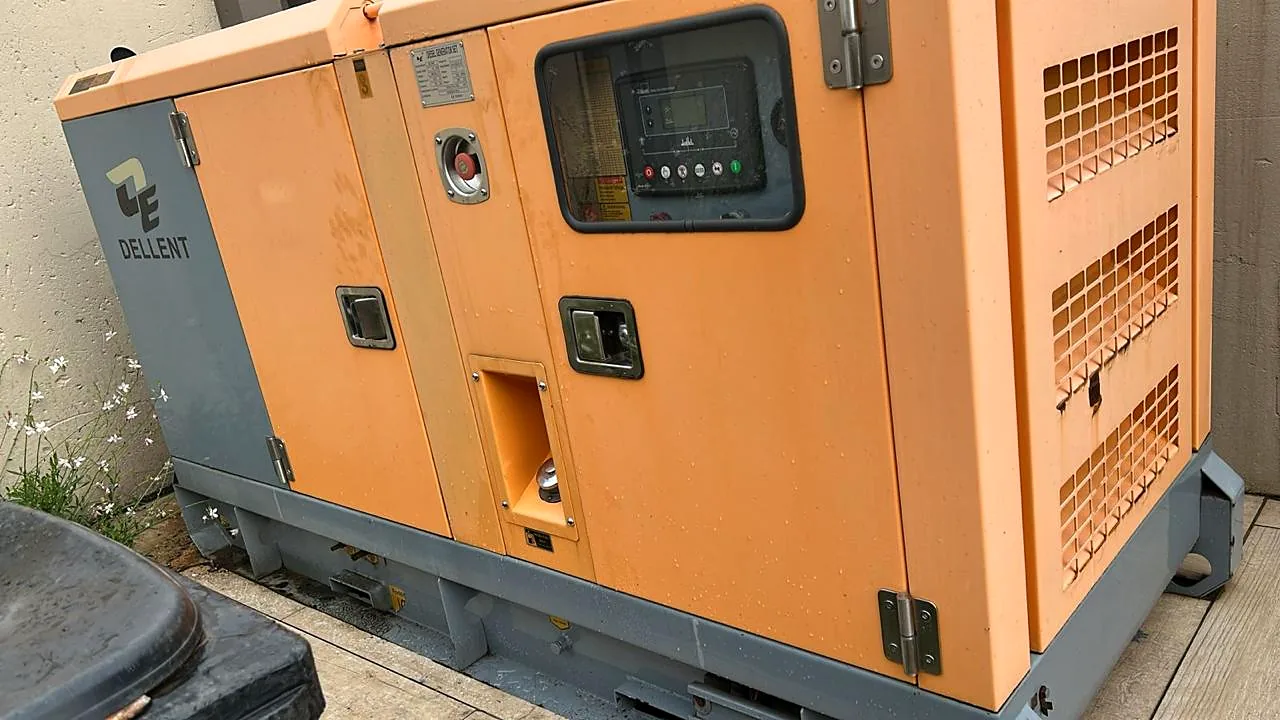
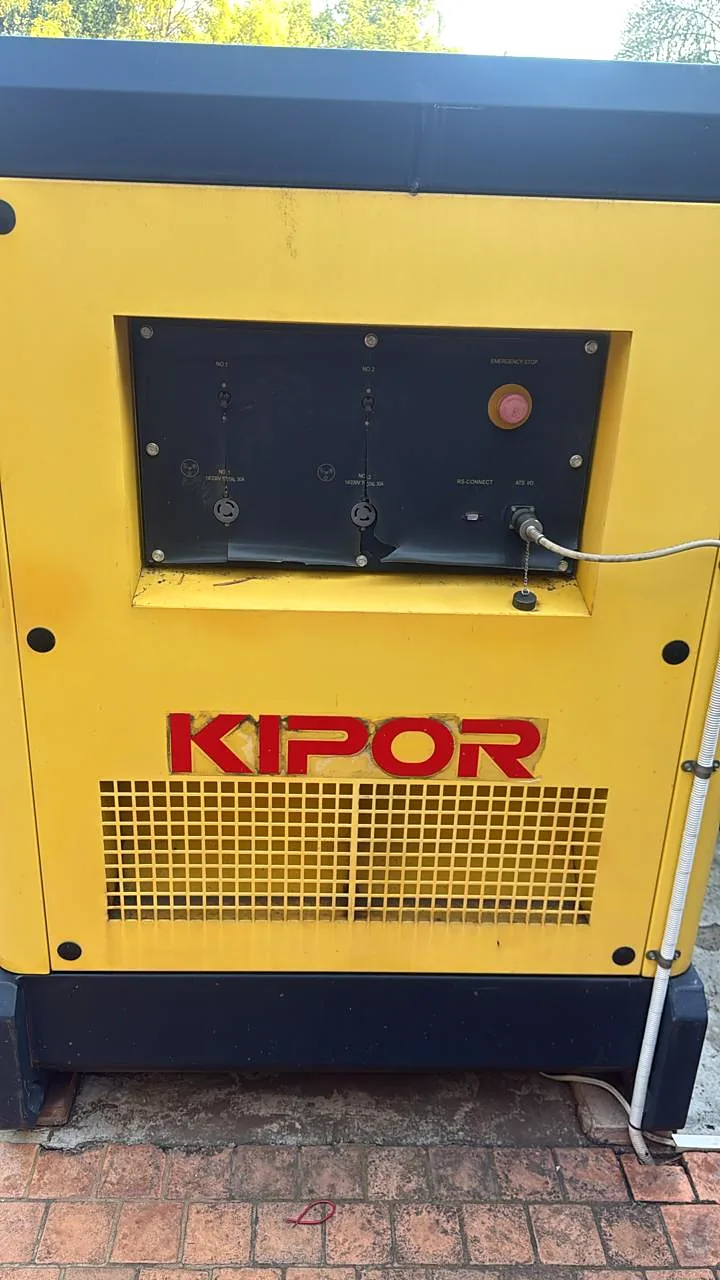
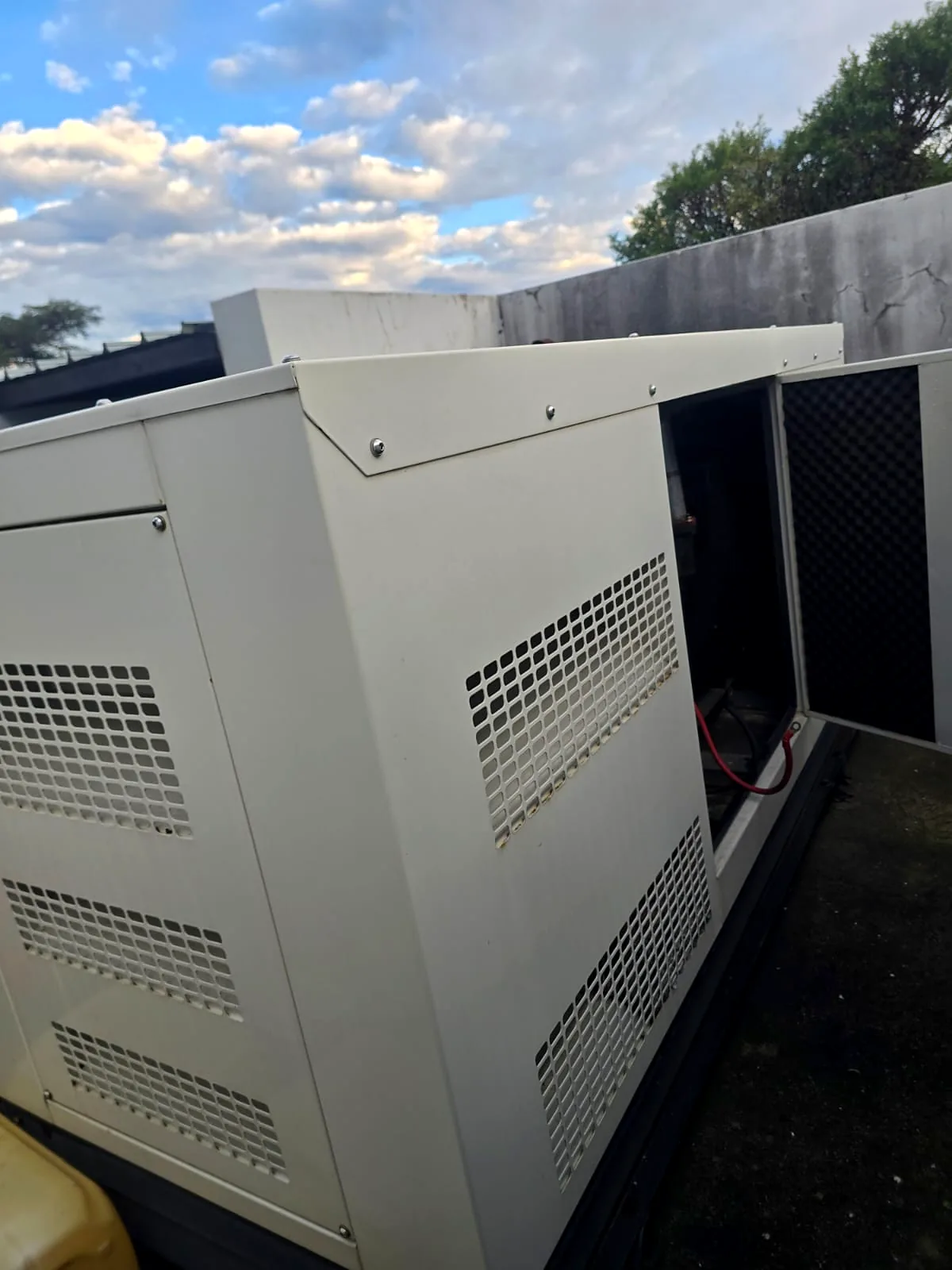
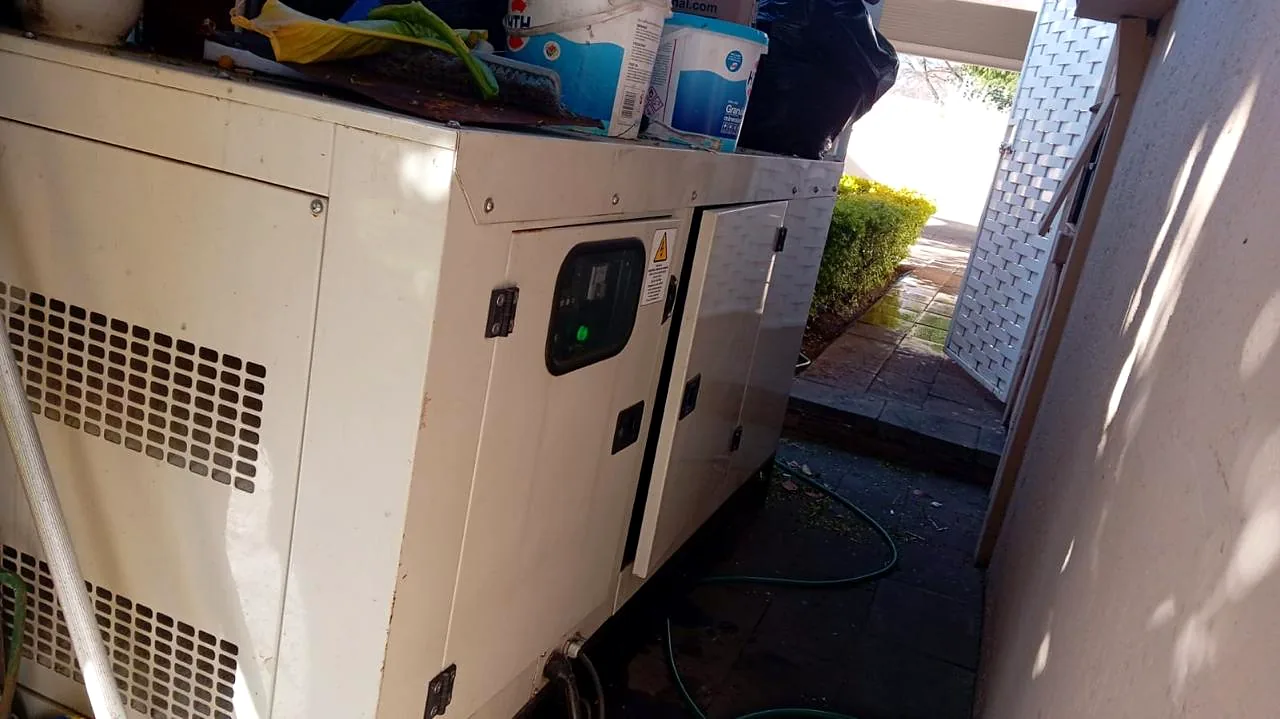
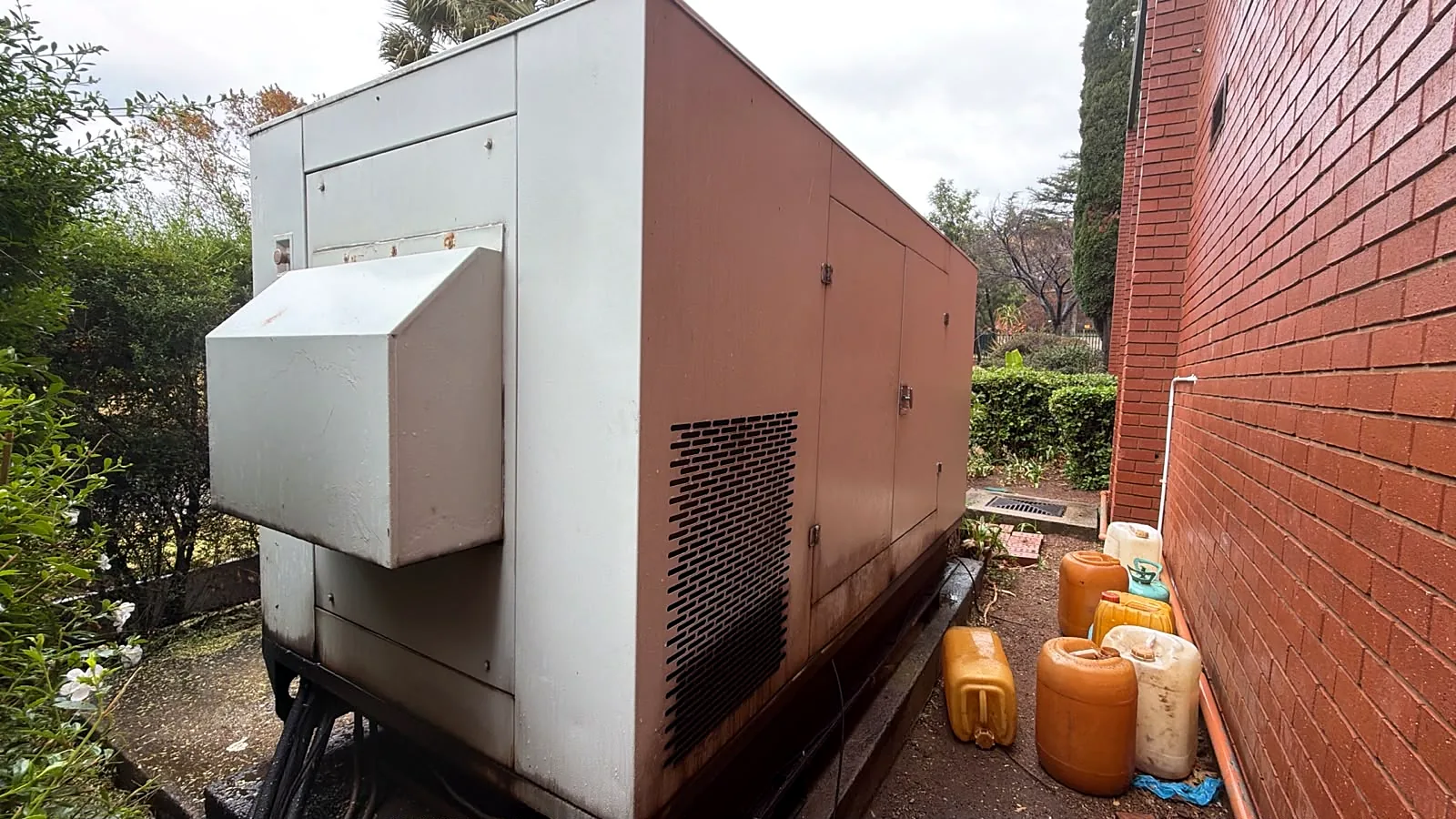
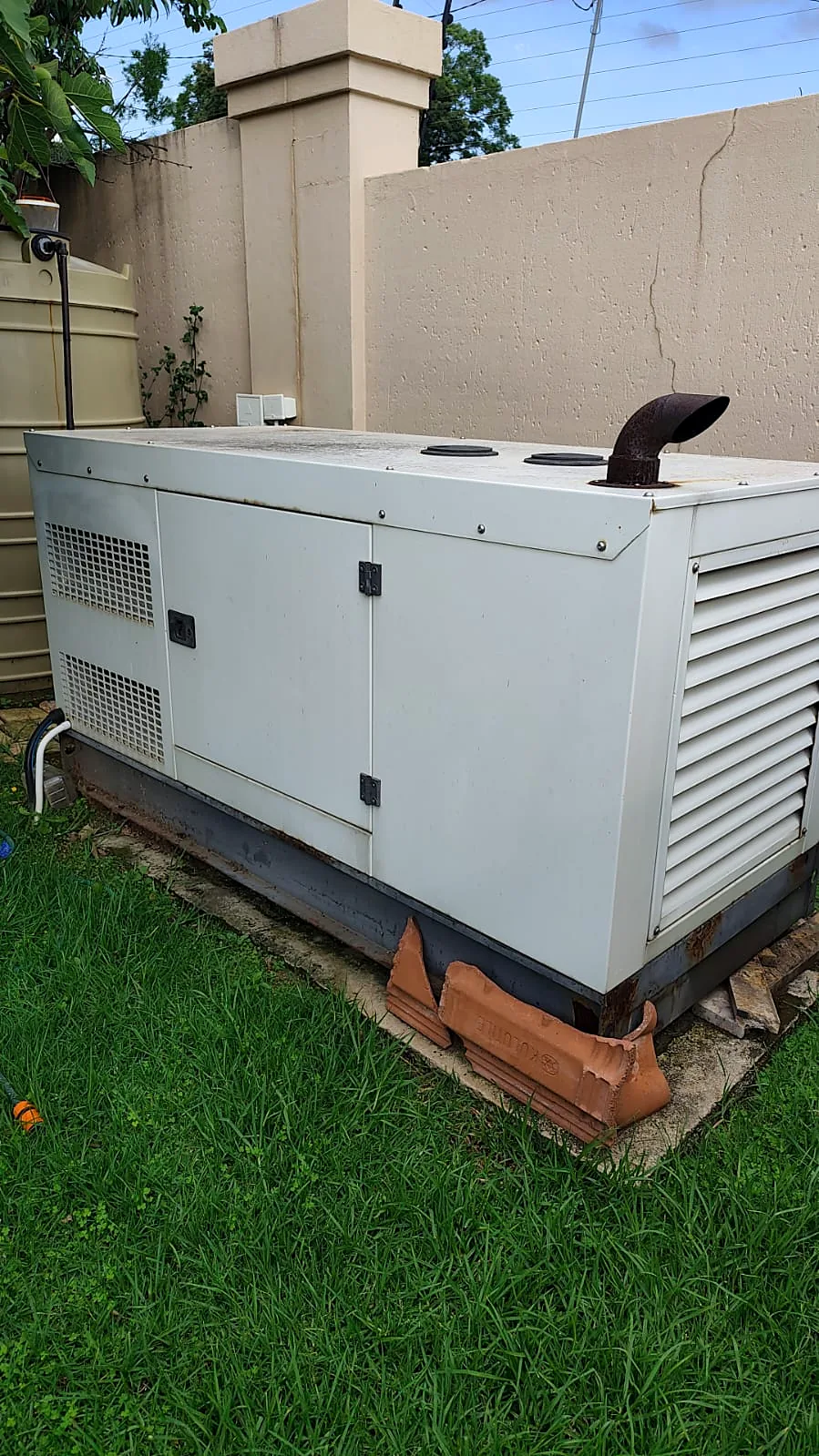
A home standby set starts on its own when the mains fails and takes over the load through an automatic changeover. These photos show the range found at homes and estates: silent diesel sets on garden plinths and in brick alcoves, gas-fuelled units against house walls with their supply pipe and gauge, and larger canopied sets beside driveways. The standby generators page explains how they work, and residential generator services covers what we do at homes.
Several photos show installation problems worth checking at your own set. Household items stacked on a canopy, or a set squeezed into a narrow passage, can starve the radiator of cooling air and lead to overheating. Rust and dark stains along a canopy base can point to leaks or standing water, and fuel containers belong well away from a hot exhaust.
The gas units here, including the Generac sets, are covered on the gas generators and Generac pages. When a standby set runs but the house stays dark, the fault is often in the changeover rather than the generator: see changeover and ATS problems.
Commercial and industrial generators
9 photos
 (full-size photo, opens in a new tab)
A canopied generator under a shade-net carportRelated: Commercial generator services  (full-size photo, opens in a new tab)
A canopied generator in a basement plant areaRelated: Load bank testing 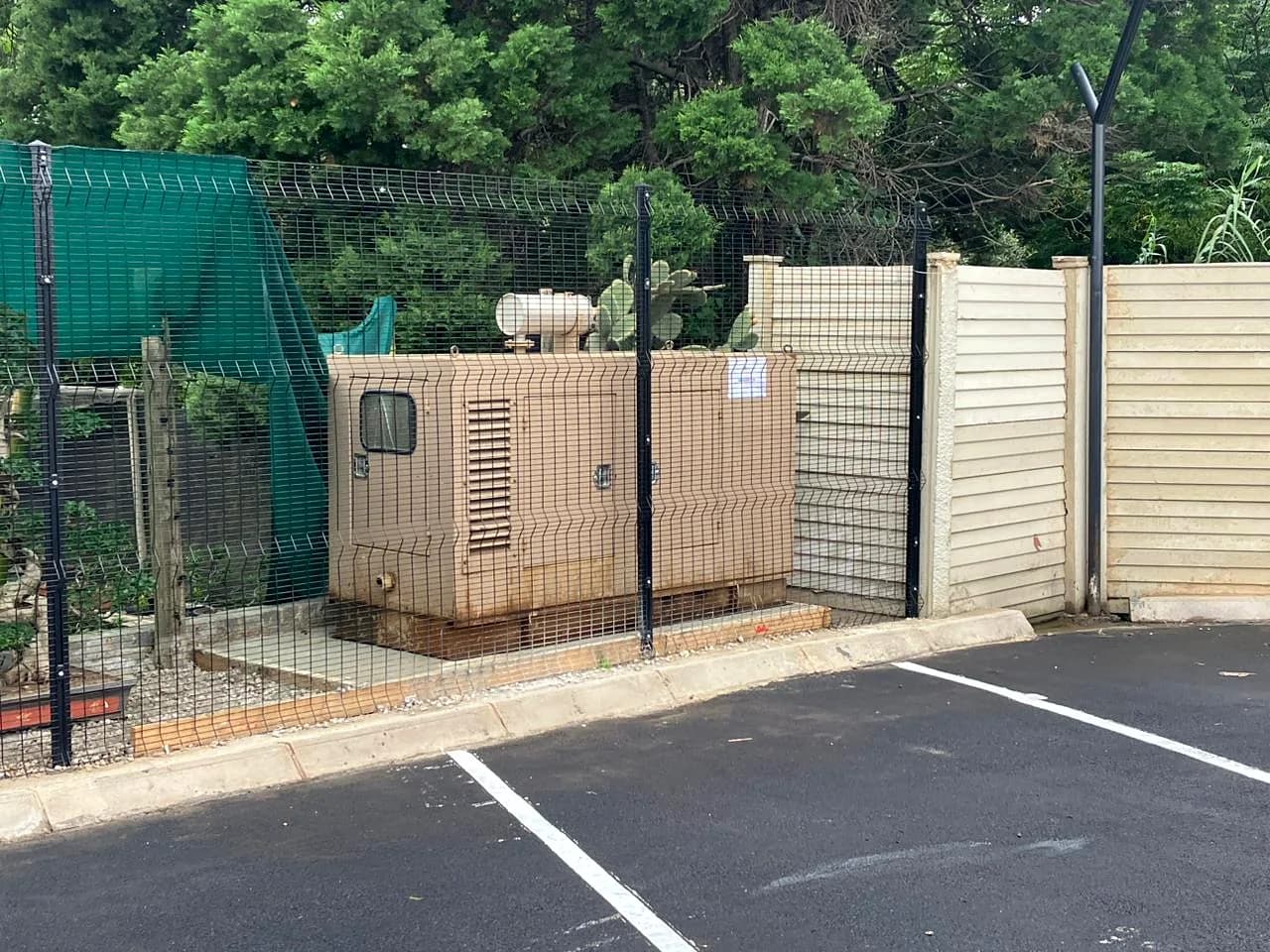 (full-size photo, opens in a new tab)
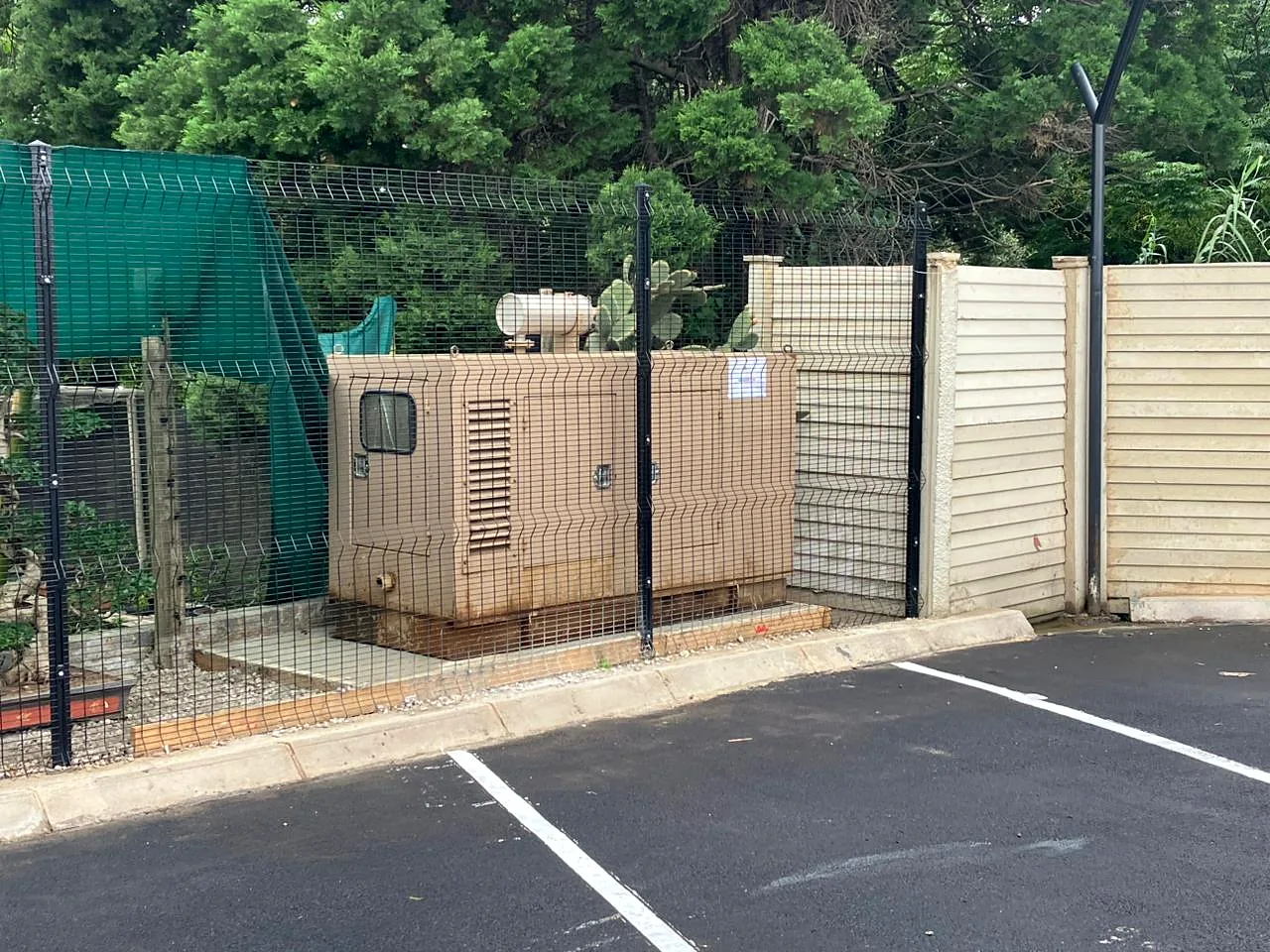
A generator in a security cage at an office car parkRelated: Businesses  (full-size photo, opens in a new tab)
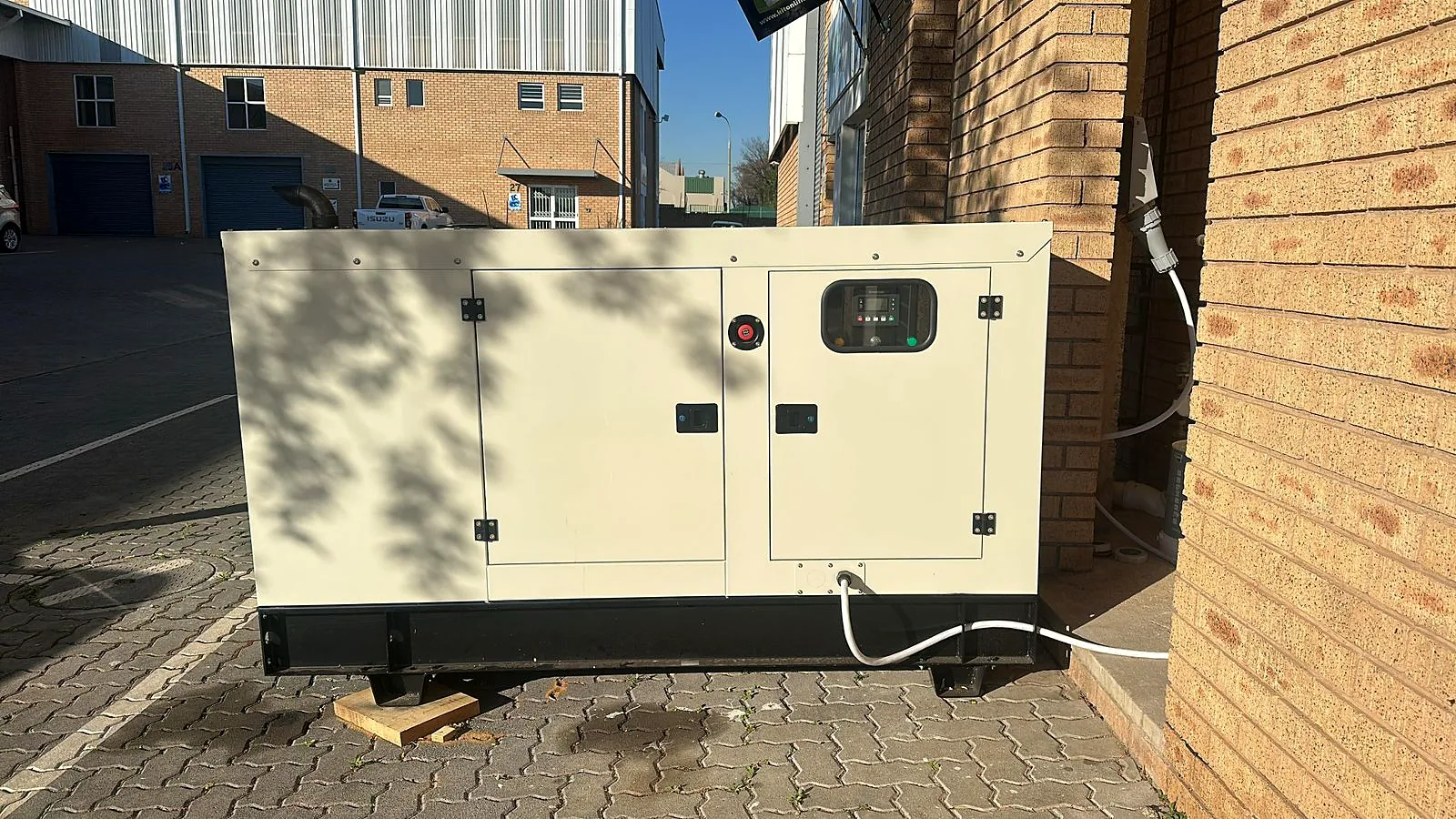
A silent diesel generator at a business parkRelated: Commercial generator services  (full-size photo, opens in a new tab)
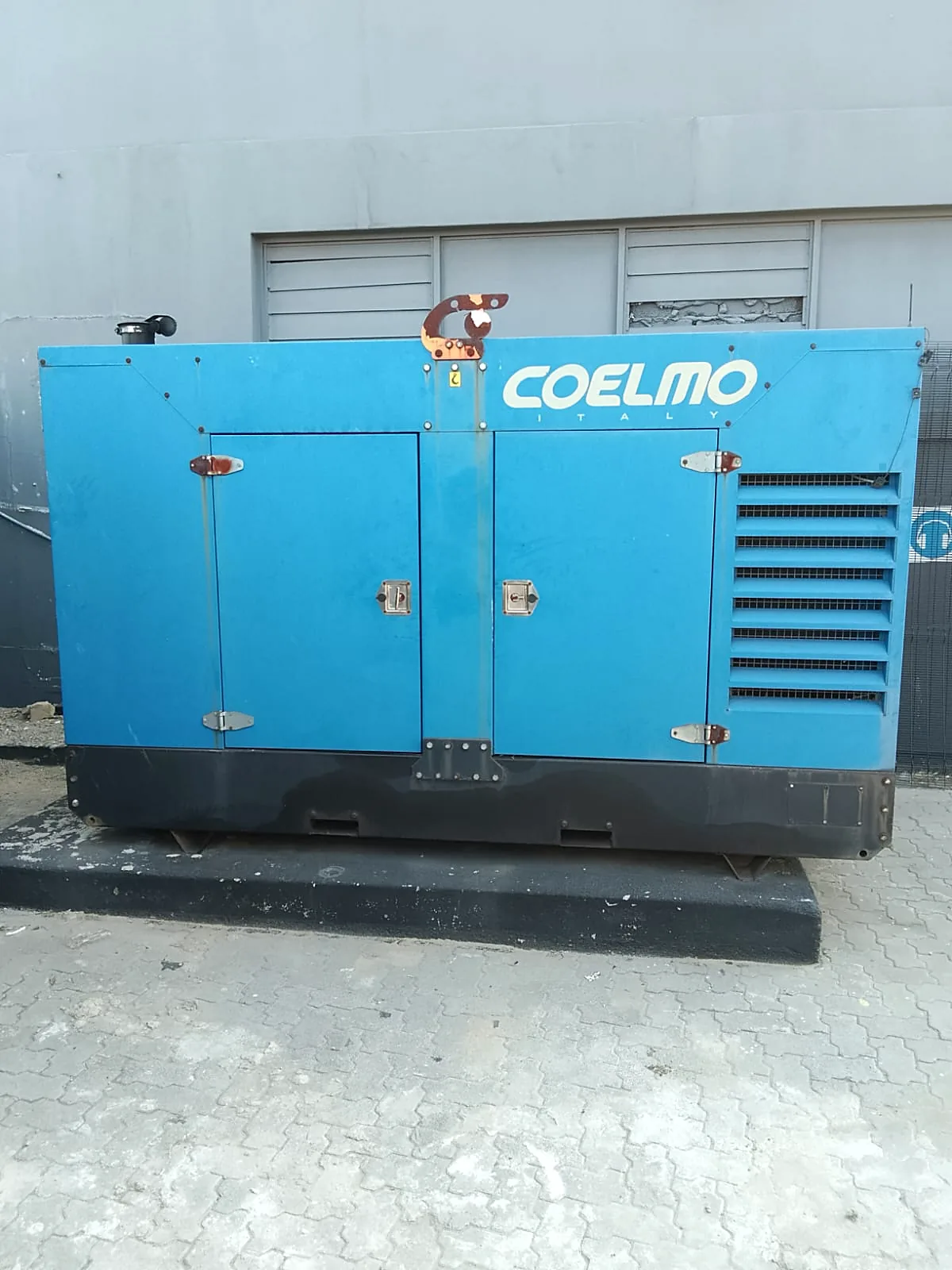
An industrial diesel generator set outside a factory buildingRelated: Industry  (full-size photo, opens in a new tab)
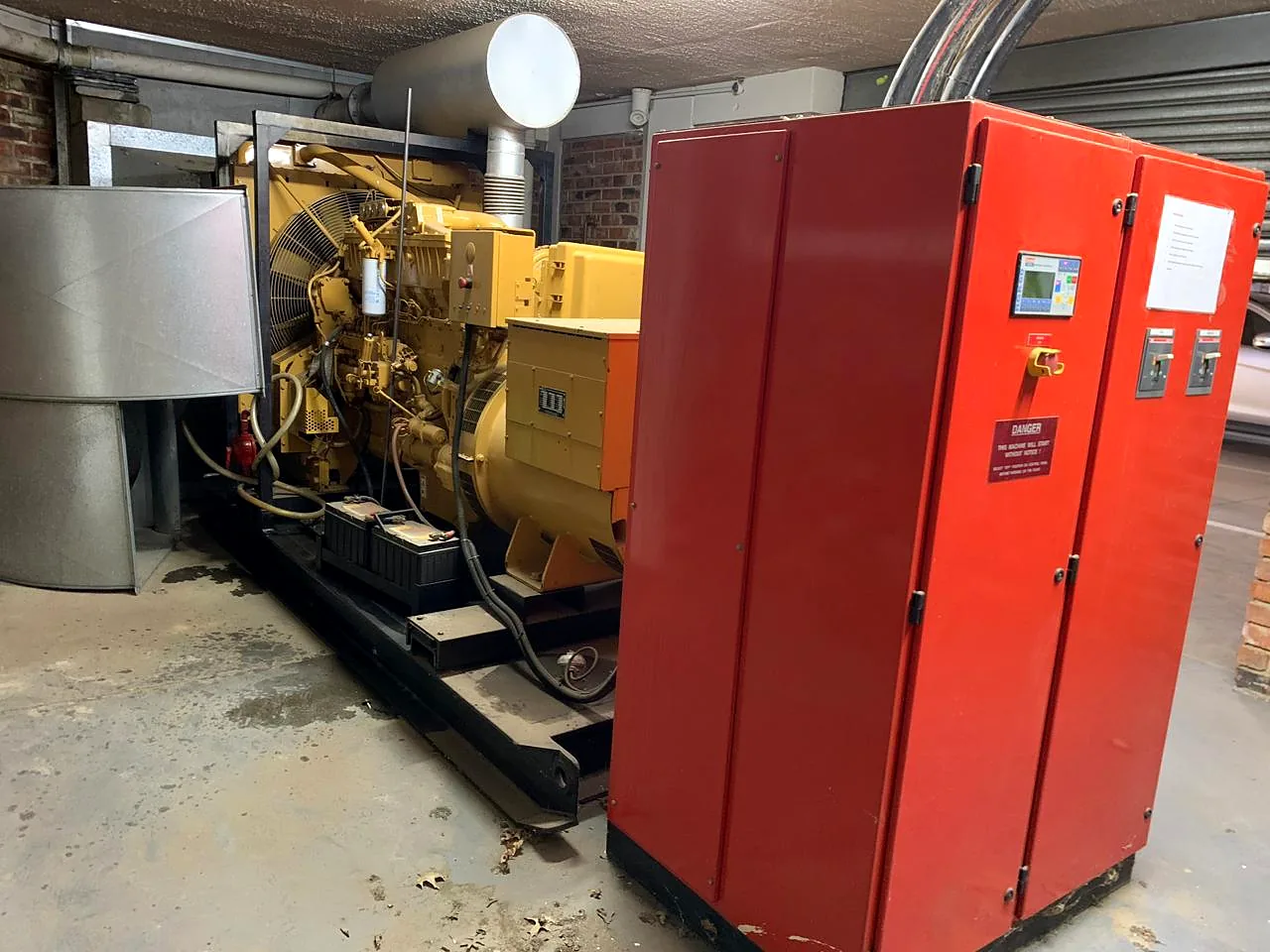
A large standby set and its switchgear in a plant roomRelated: Generator rewinding
Show all 9 photosShow fewer photos
 (full-size photo, opens in a new tab)
A 250 kVA diesel generatorRelated: Load bank testing  (full-size photo, opens in a new tab)
A diesel generator set on an industrial siteRelated: Commercial generator services  (full-size photo, opens in a new tab)
A diesel generator behind a palisade fenceRelated: Commercial generator services
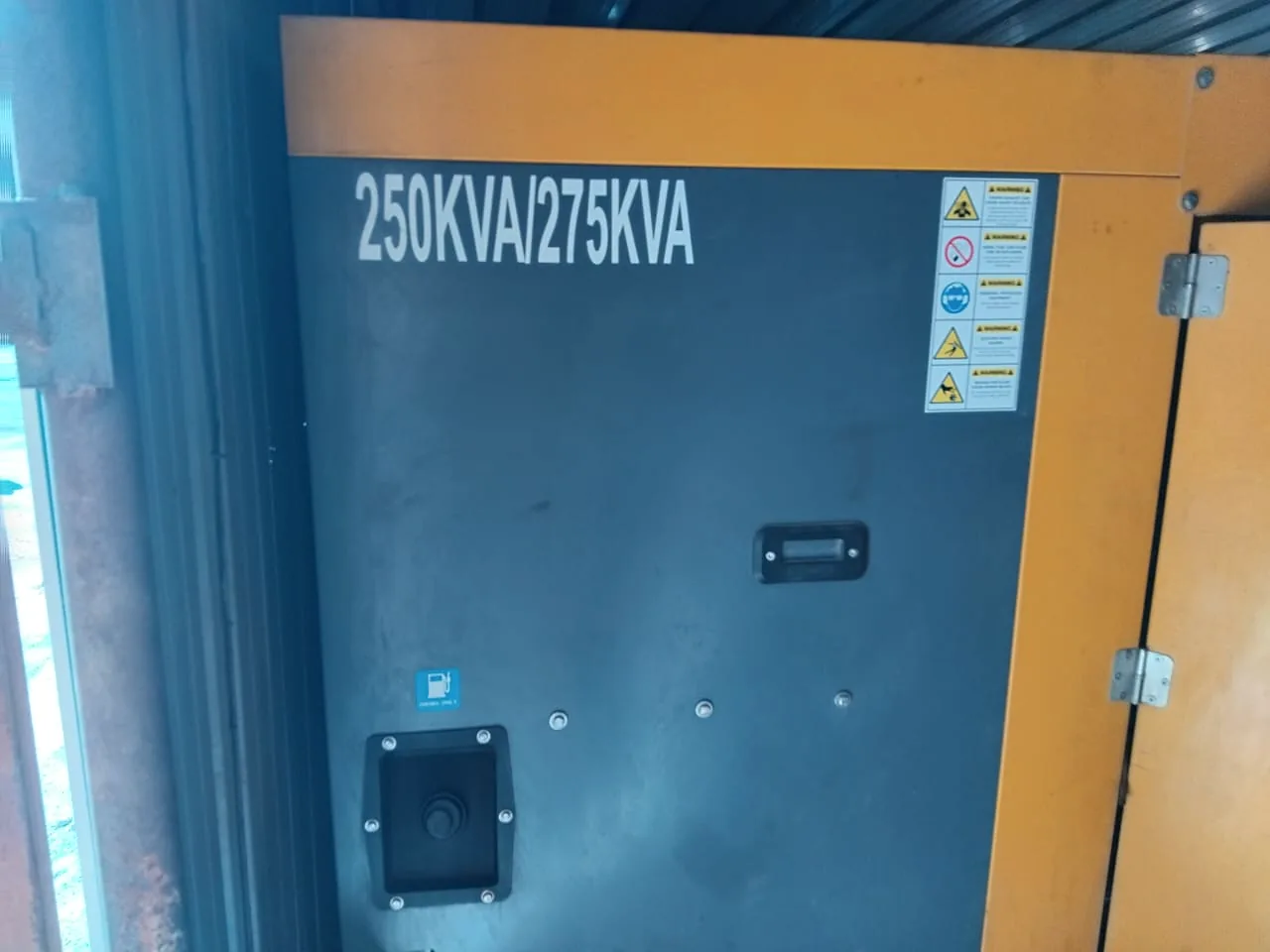
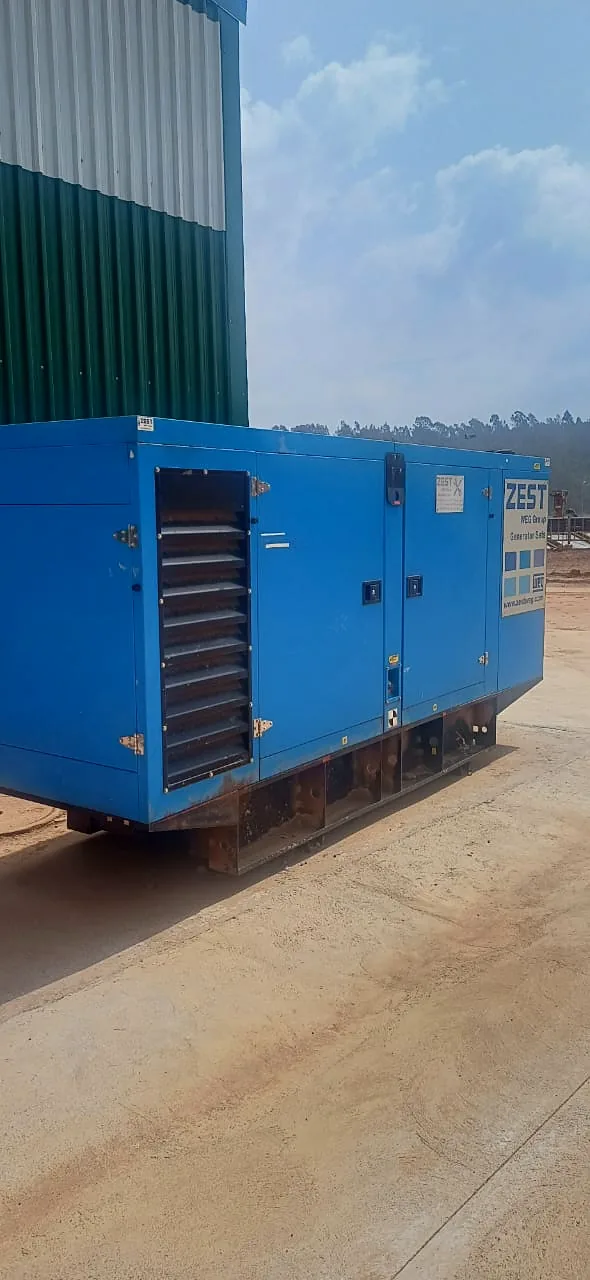
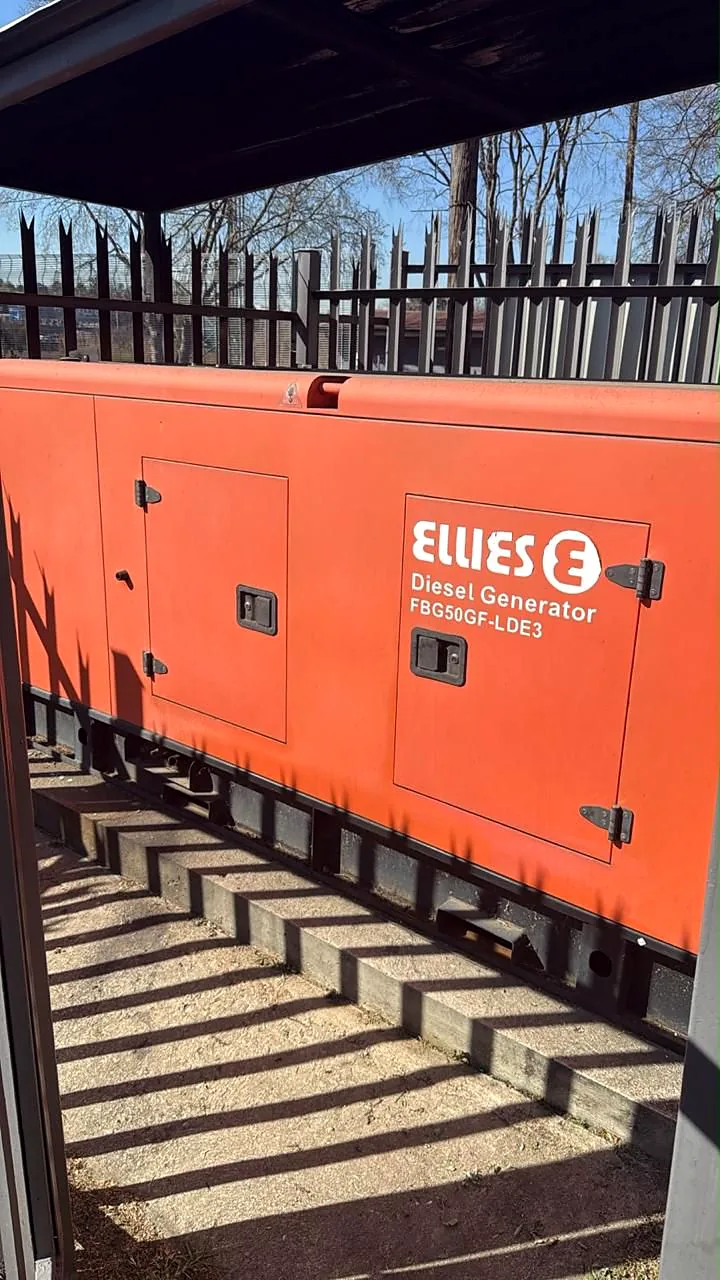
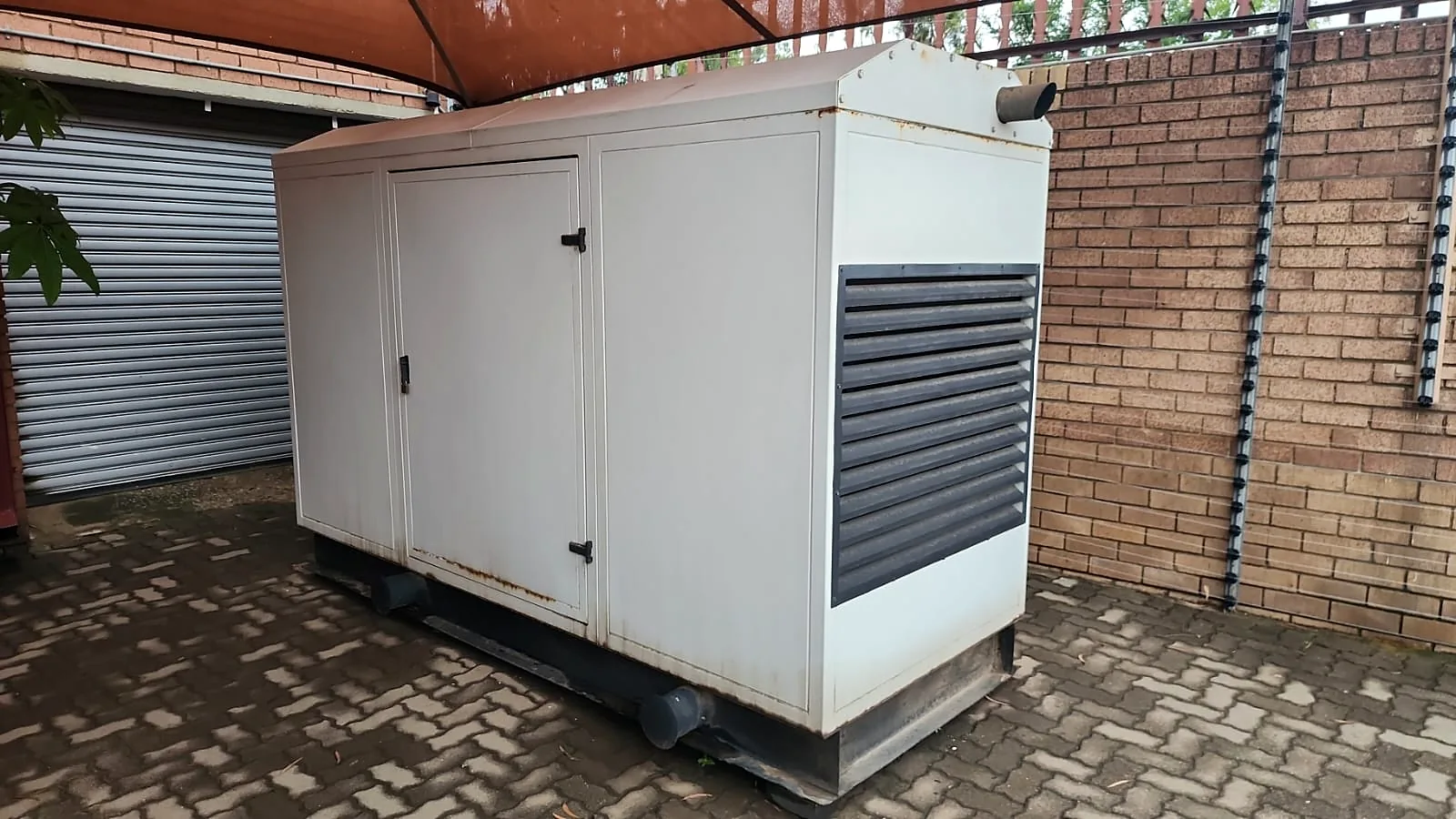
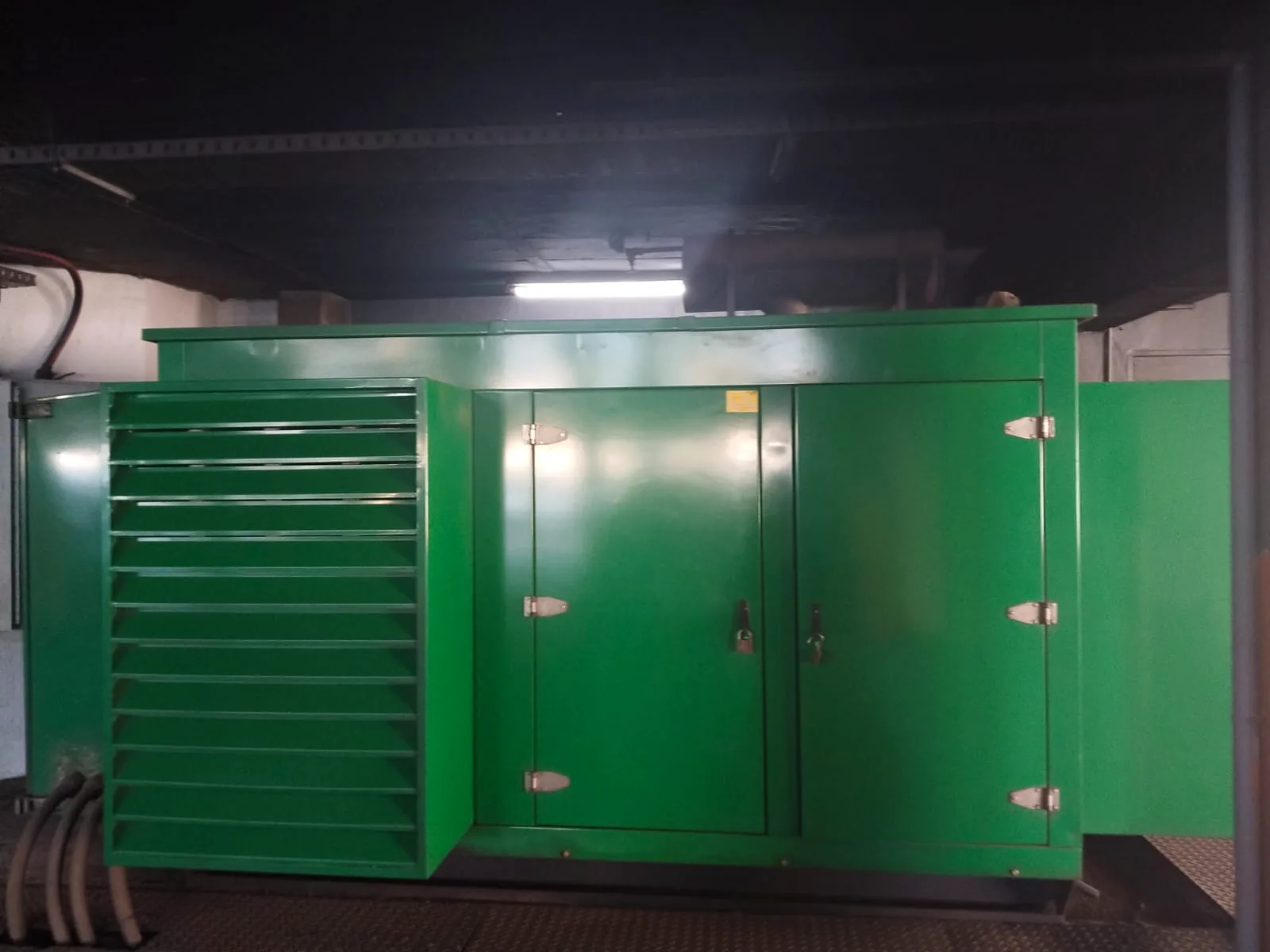
Business and industrial sets are larger and work harder: canopied diesels under a shade-net carport and inside a mesh security cage beside an office car park, a set in a basement parking and plant area, and a large open set beside its switchgear in a plant room. The canopy door marked 250 kVA / 275 kVA shows two ratings; figures like these are usually the prime and standby ratings, and the kVA sizing guide explains why the difference matters.
On these sites a failure costs trading hours, stock or production, so the work is planned rather than reactive. Commercial generator services and industrial generator services describe maintenance programmes for businesses and plant, and load bank testing proves a set can carry its rated load before an outage tests it for you.
Portable, open-frame and small diesel generators
15 photos
 (full-size photo, opens in a new tab)
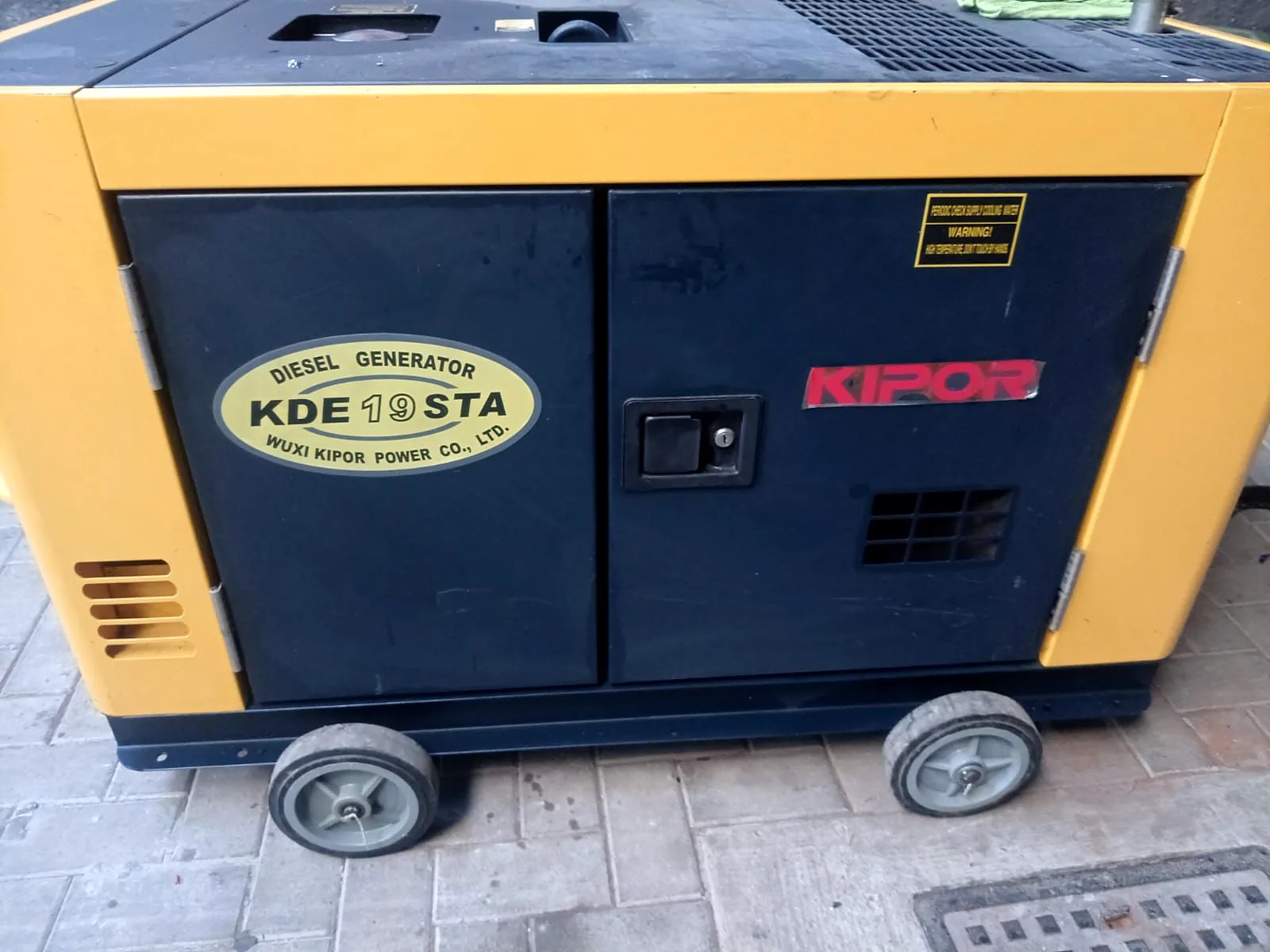
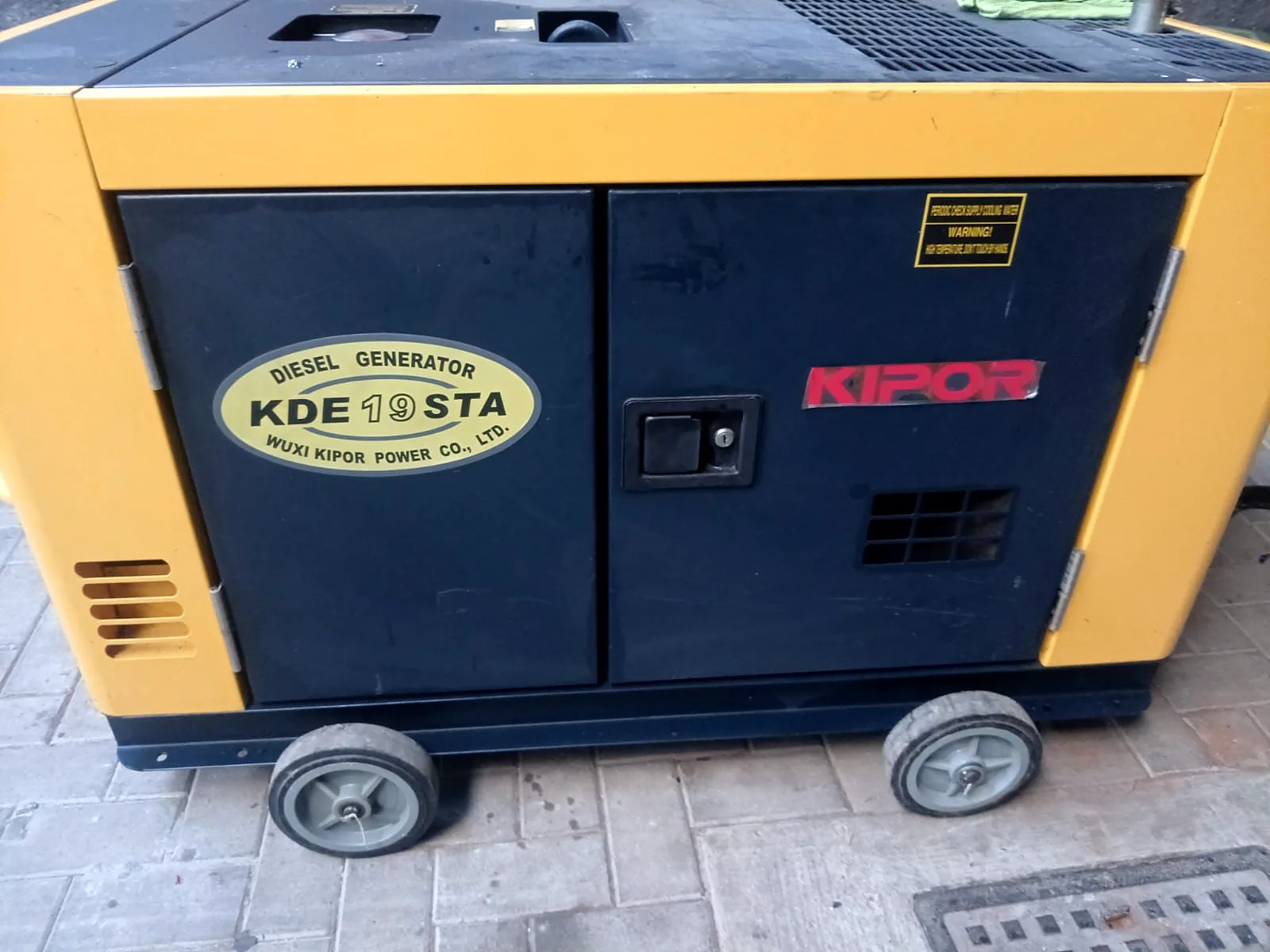
Kipor KDE19STA silent diesel generatorRelated: Kipor  (full-size photo, opens in a new tab)
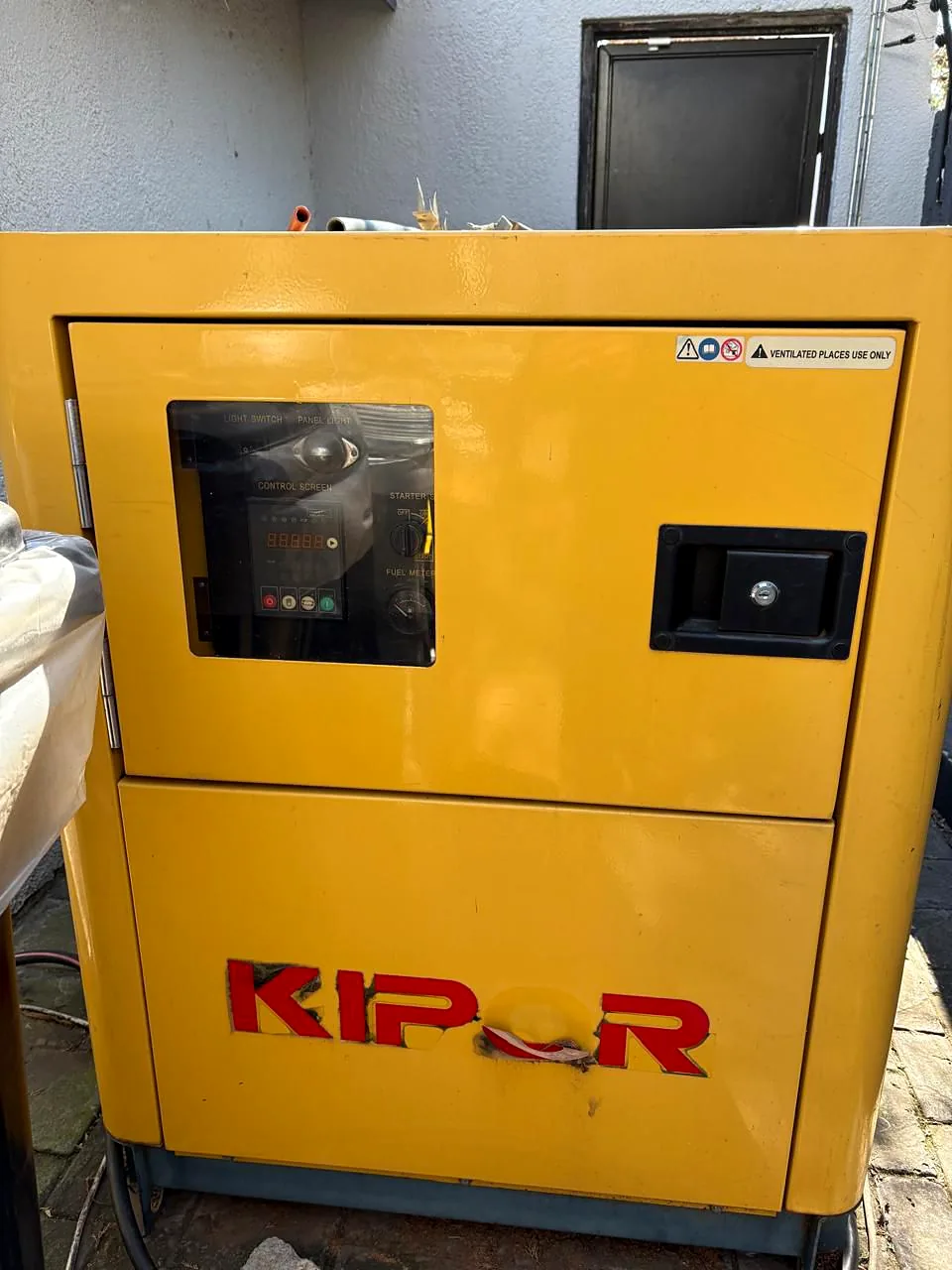
A Kipor silent diesel generatorRelated: Kipor  (full-size photo, opens in a new tab)
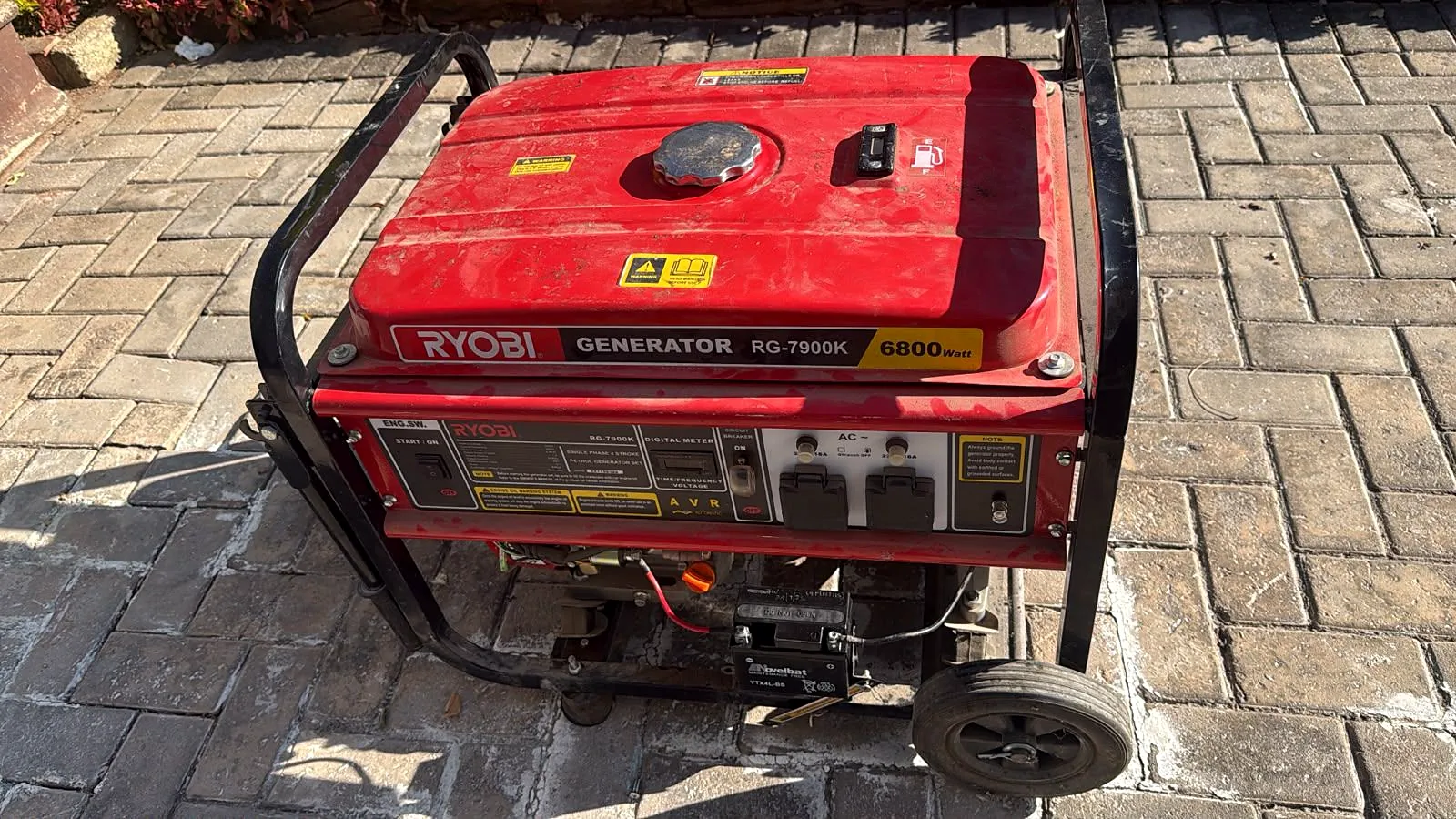
Ryobi RG-7900K petrol generatorRelated: Ryobi 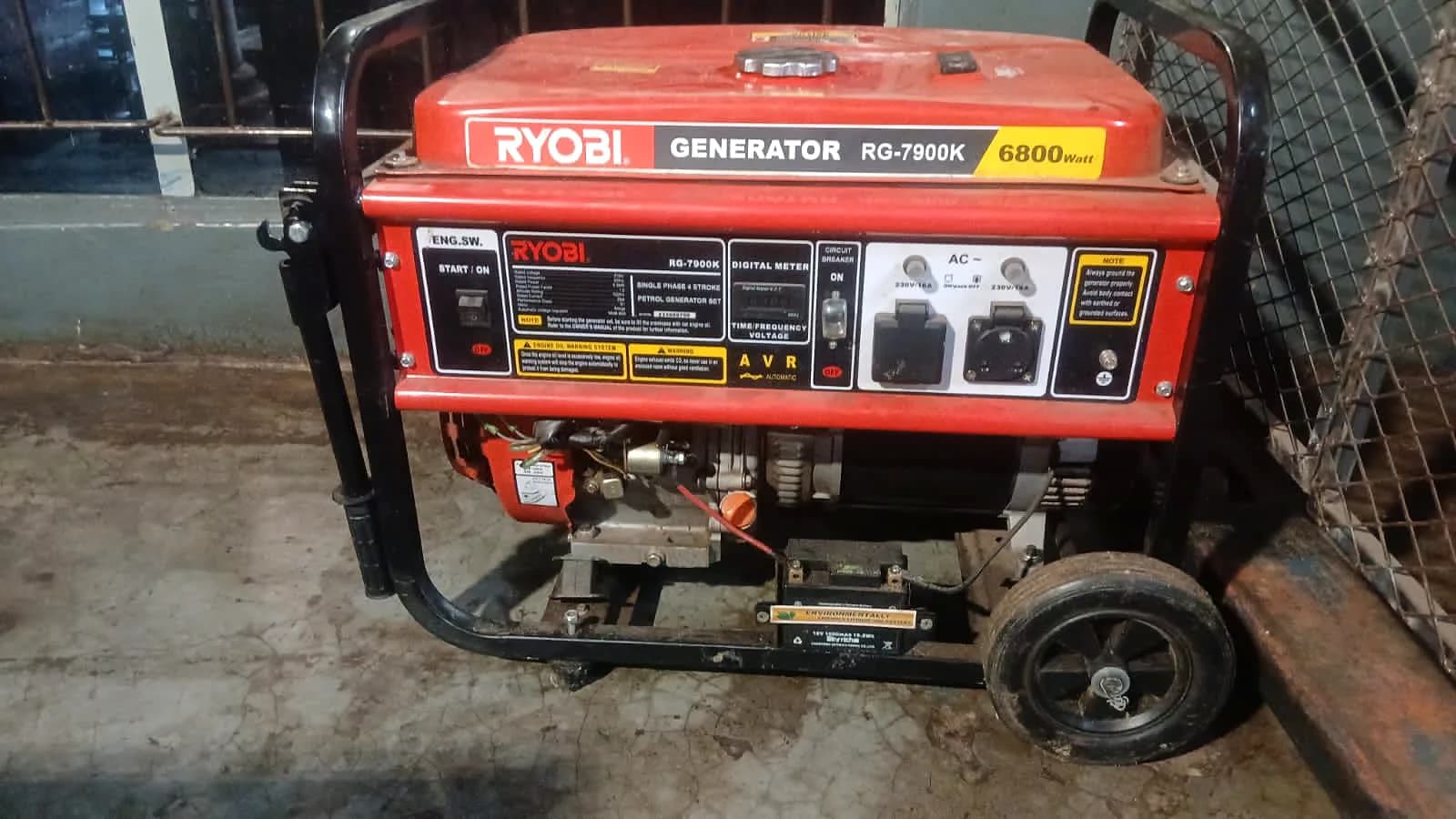 (full-size photo, opens in a new tab)
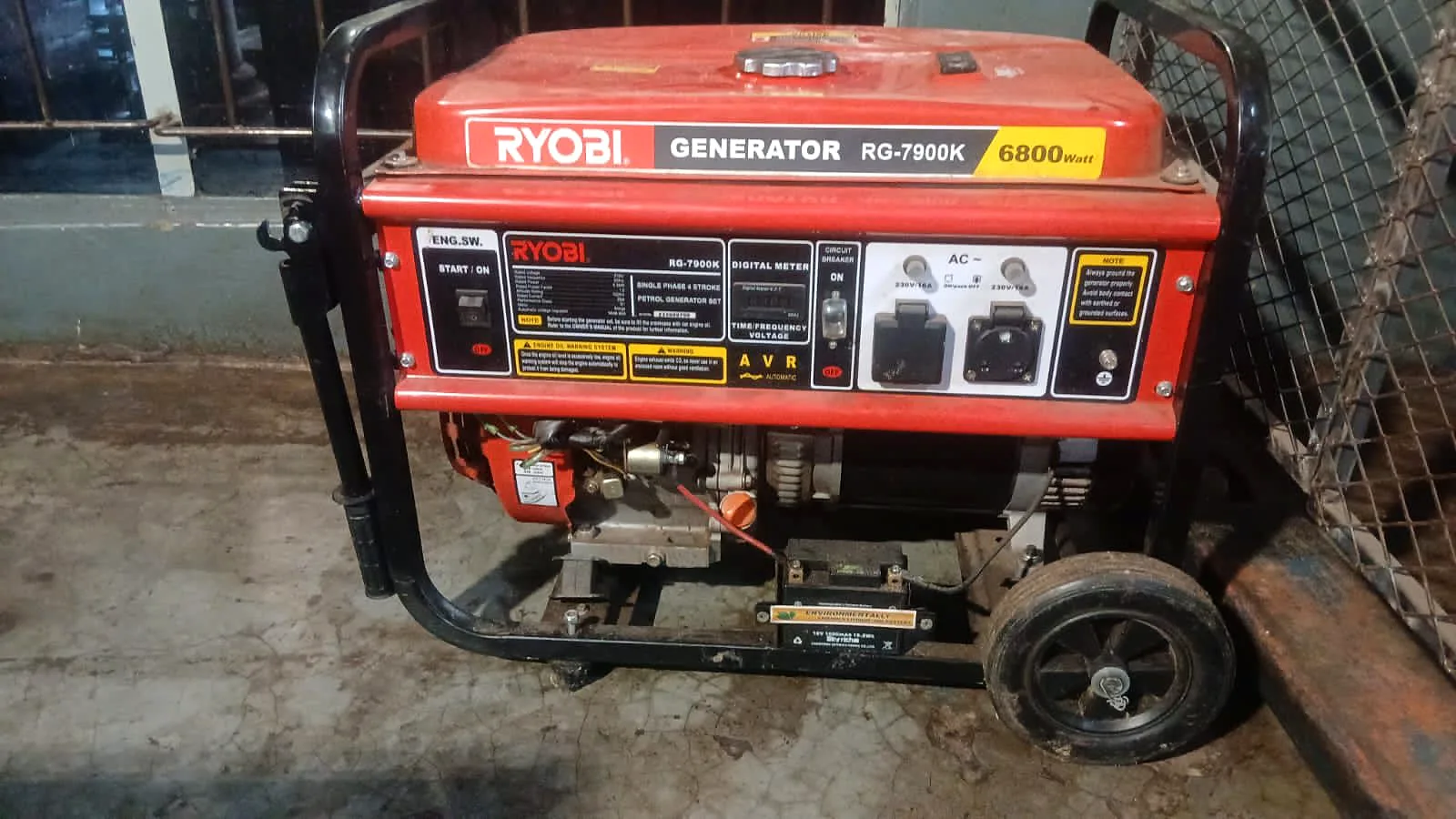
A petrol generator control panel: meter, breaker and socketsRelated: Ryobi  (full-size photo, opens in a new tab)
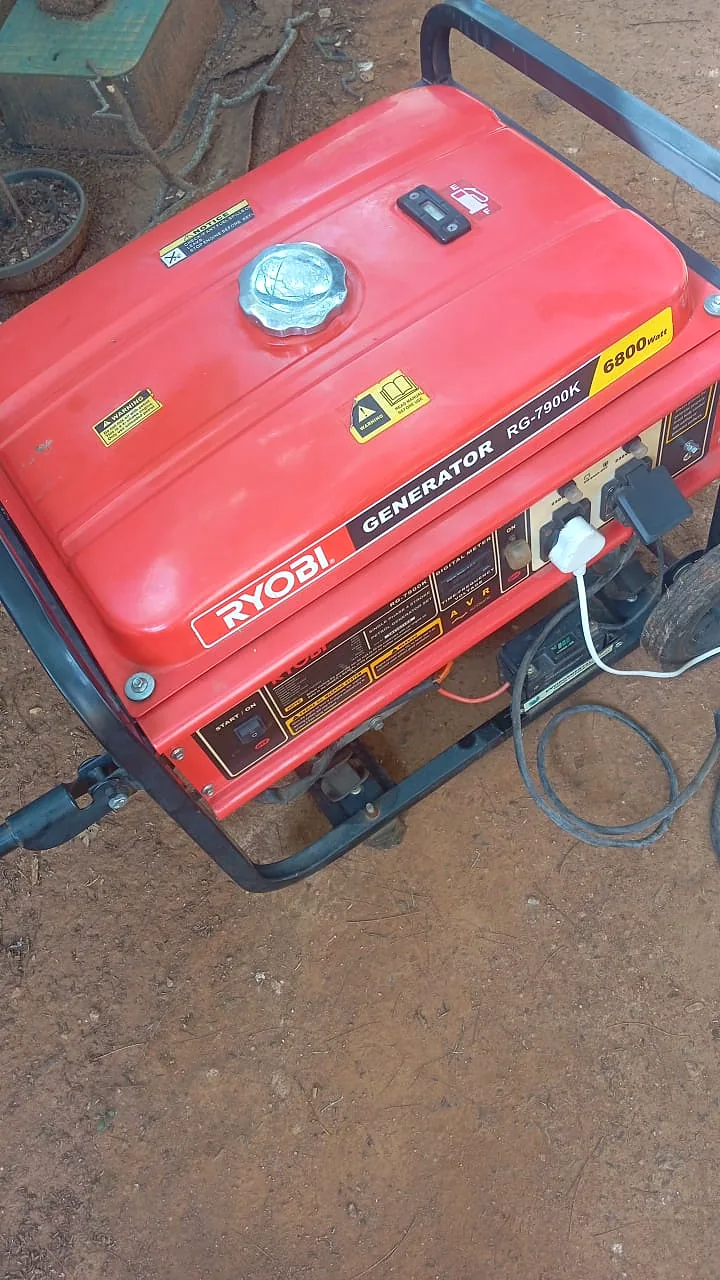
A portable petrol generator in use in a yardRelated: Ryobi 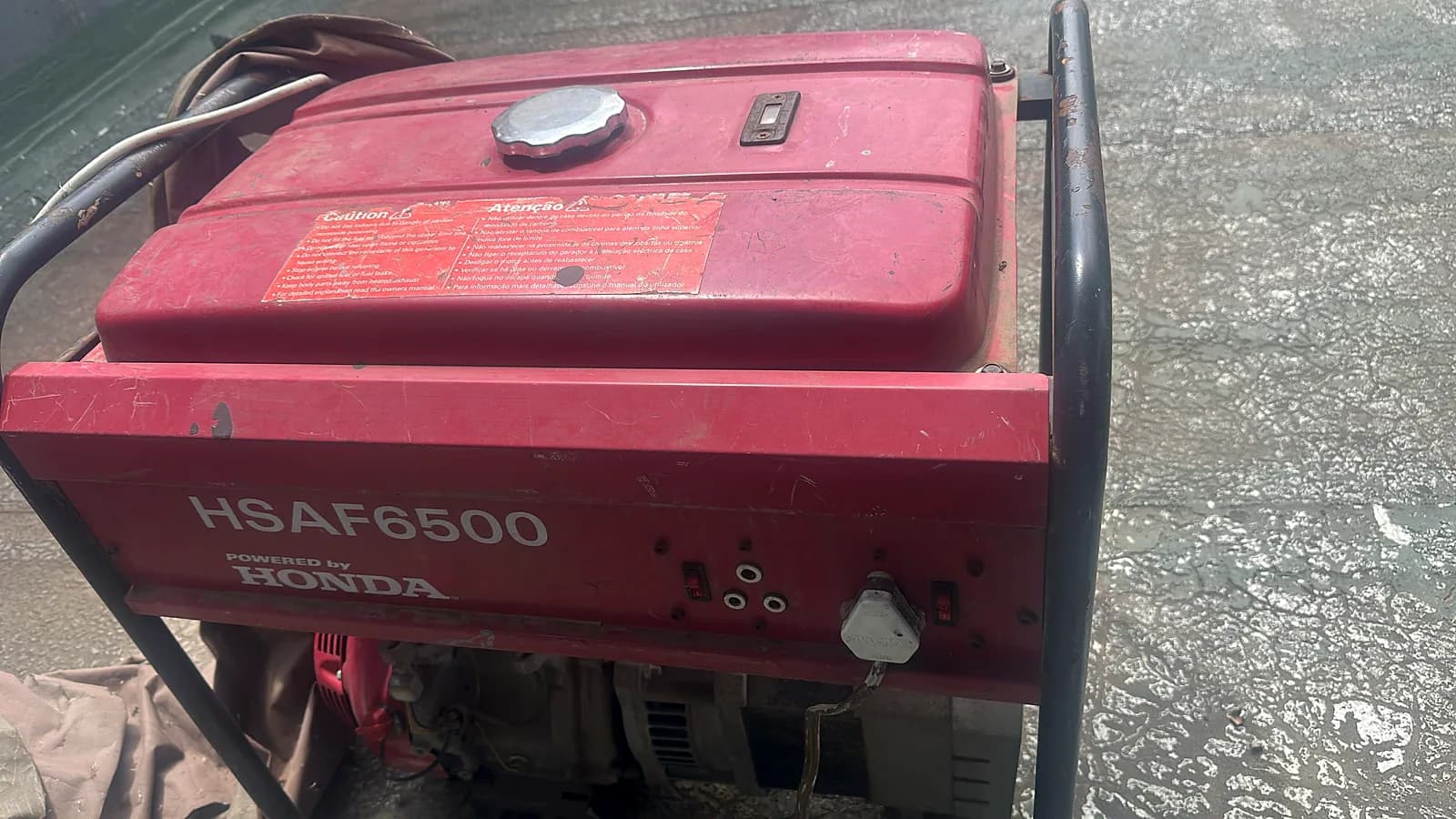 (full-size photo, opens in a new tab)
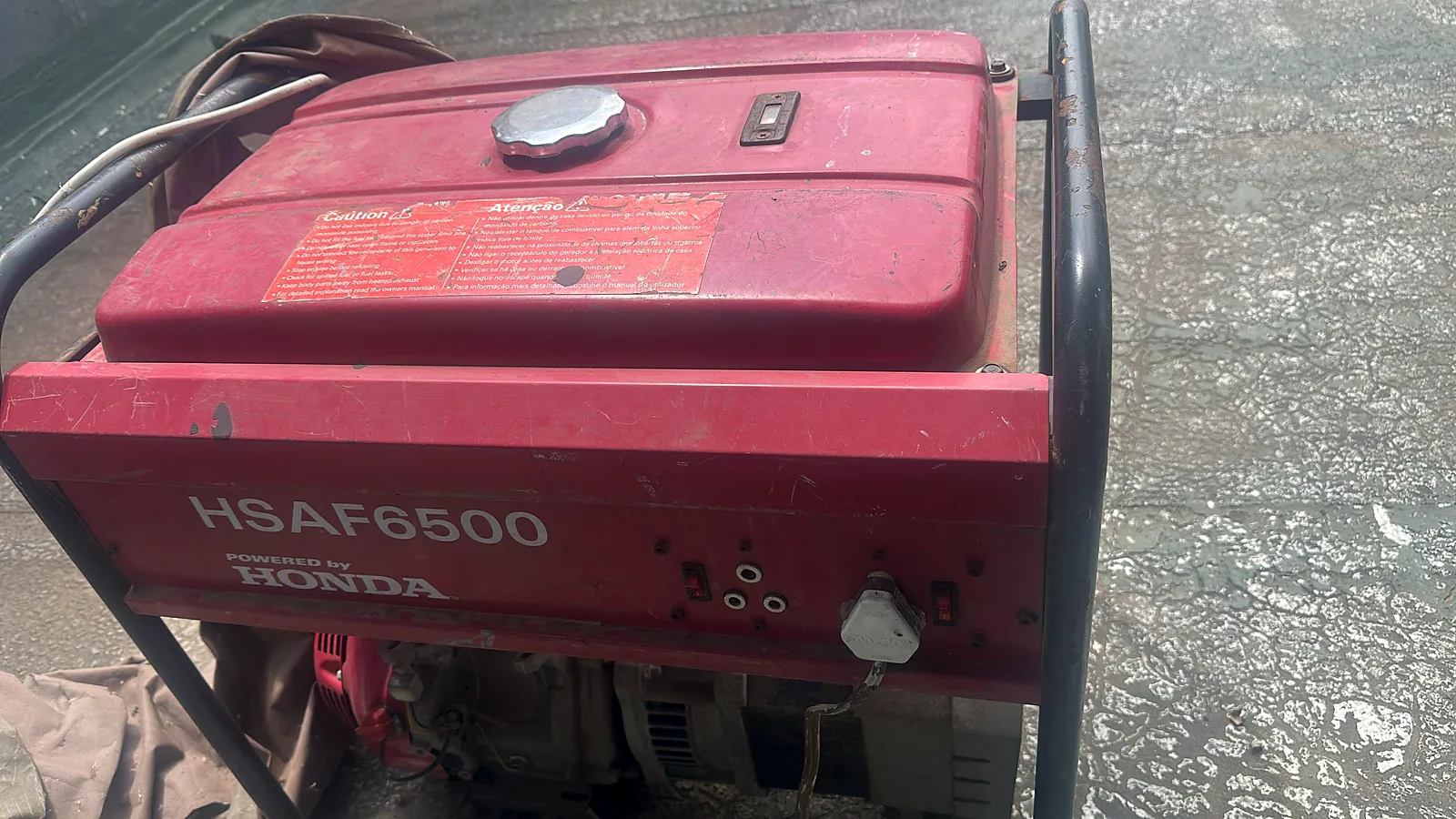
A Honda-powered HSAF6500 petrol generatorRelated: Honda
Show all 15 photosShow fewer photos
 (full-size photo, opens in a new tab)
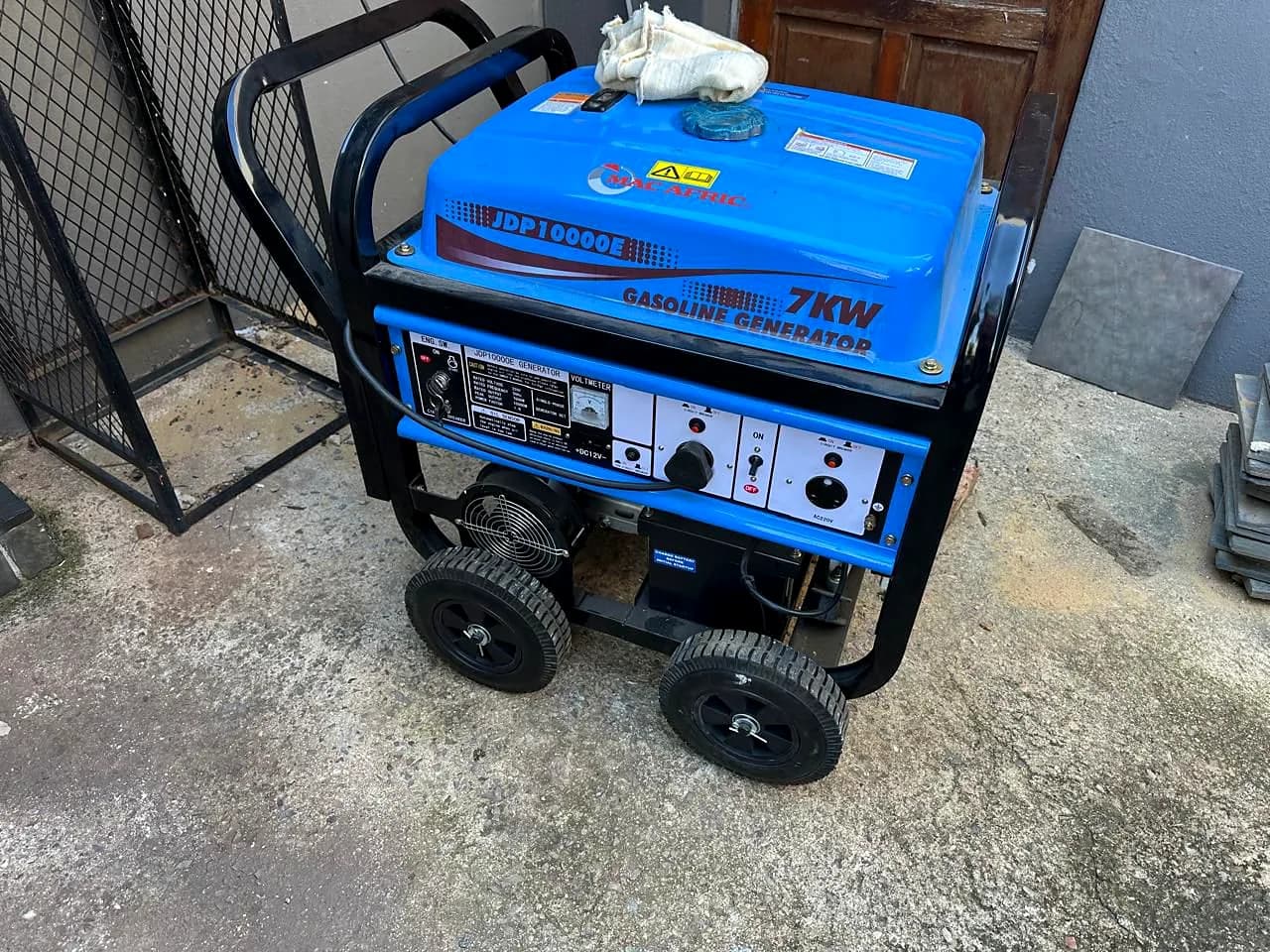
Mac Afric JDP10000E petrol generatorRelated: Mac Afric  (full-size photo, opens in a new tab)
Mac Afric 5 kW air-cooled diesel generator with the lid openRelated: Mac Afric 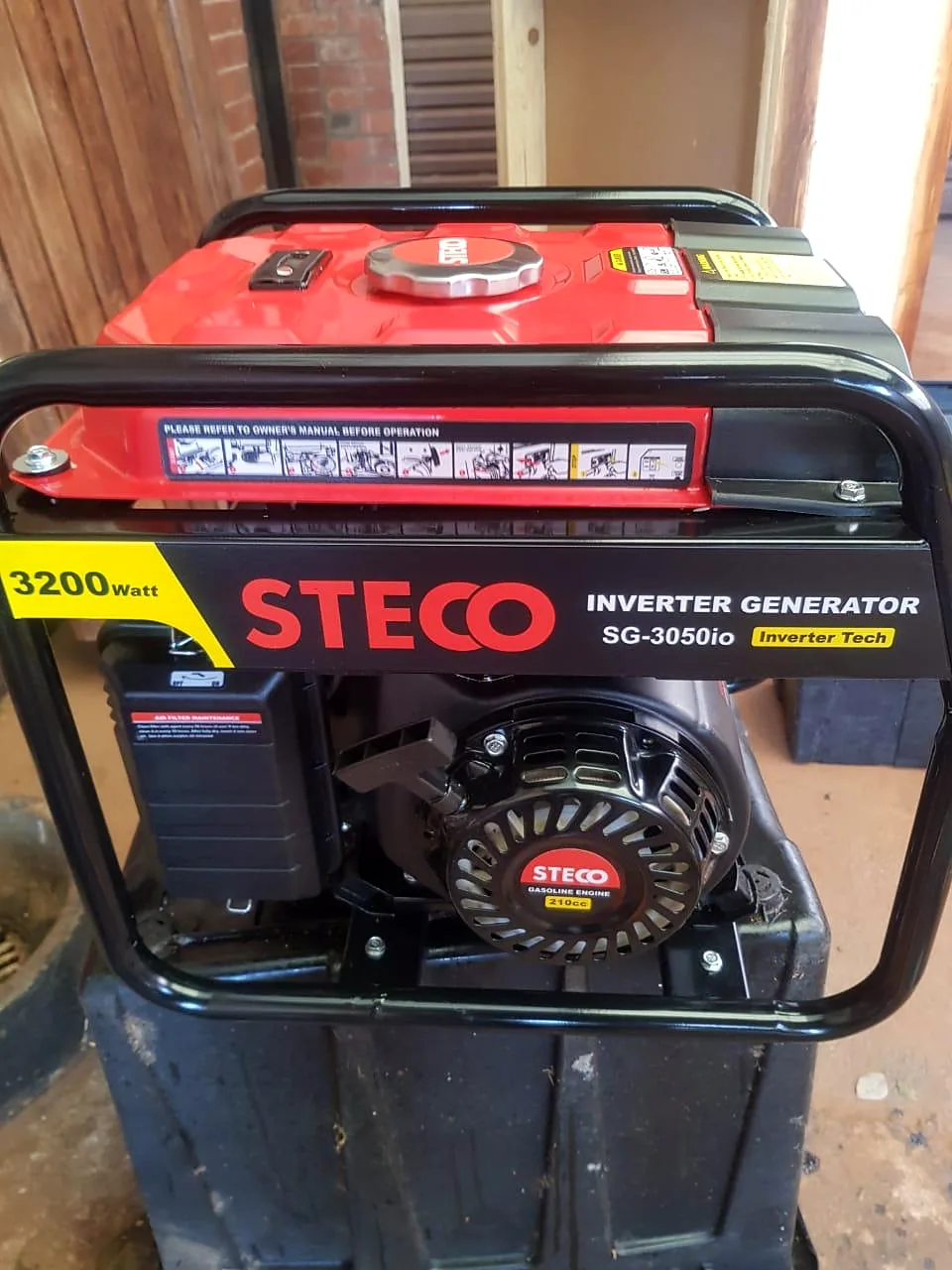 (full-size photo, opens in a new tab)
Steco SG-3050io inverter generatorRelated: Portable and inverter generators 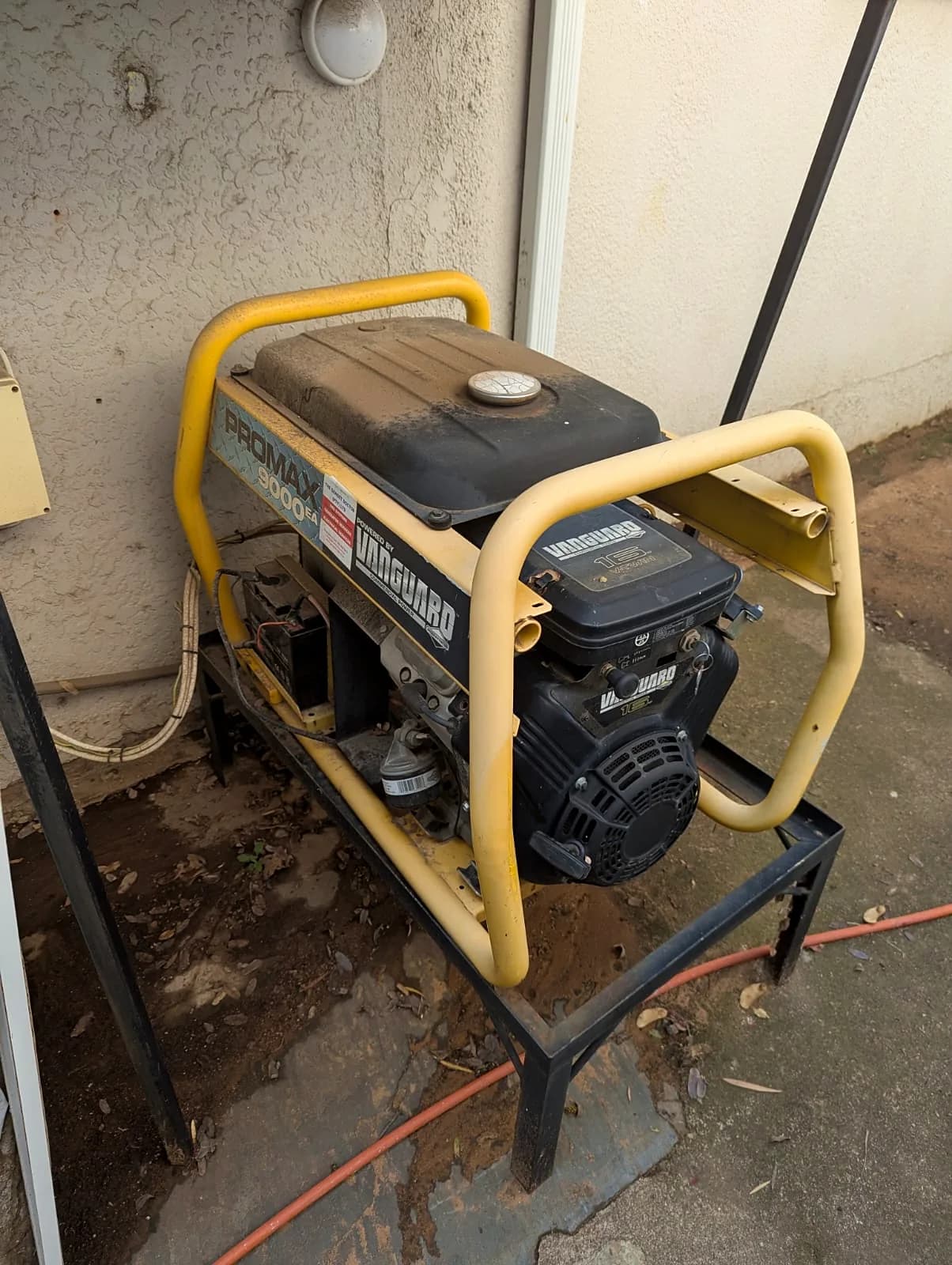 (full-size photo, opens in a new tab)
An open-frame petrol generator on a standRelated: Petrol generators 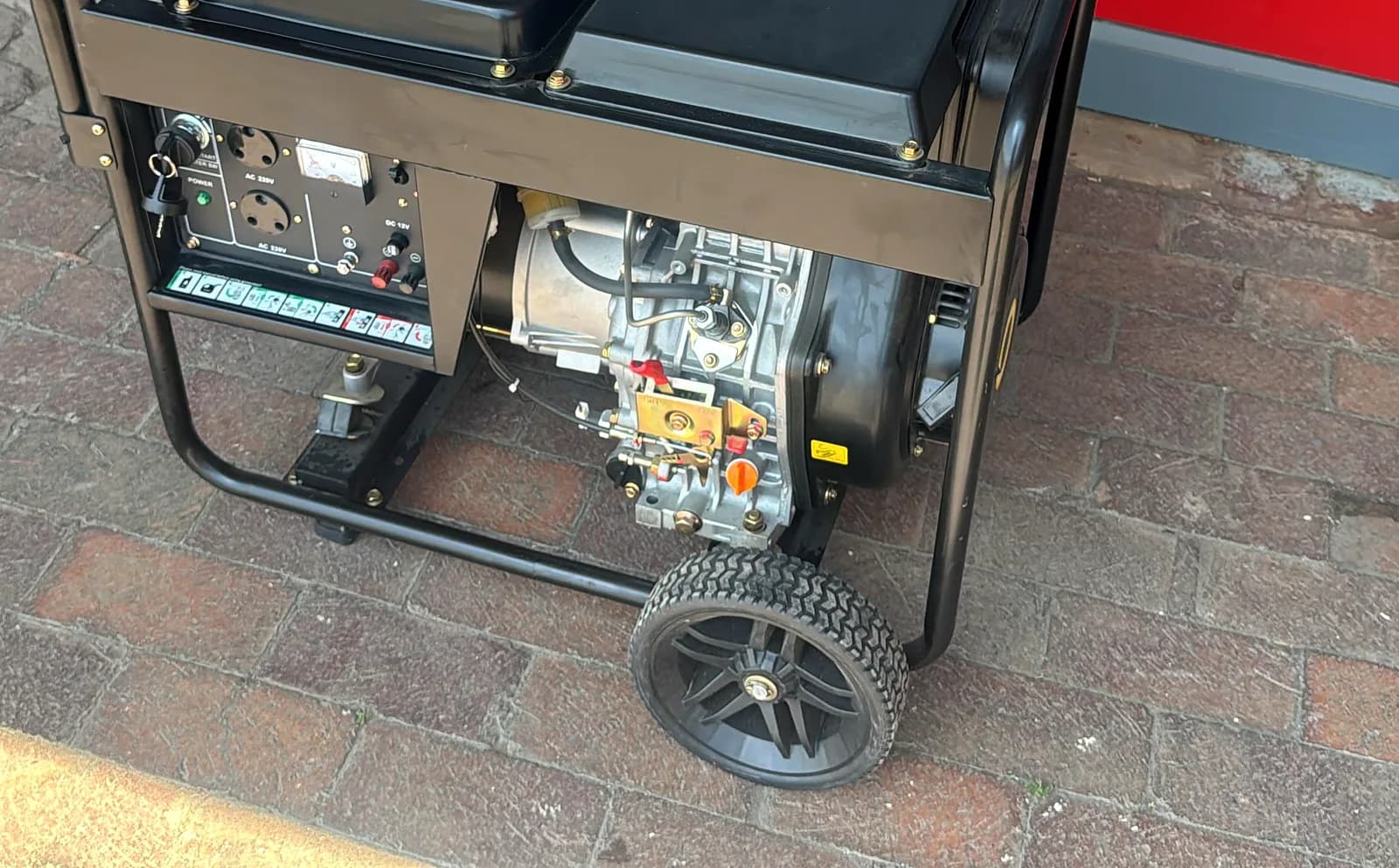 (full-size photo, opens in a new tab)
An open-frame portable diesel generatorRelated: Portable and inverter generators  (full-size photo, opens in a new tab)
Turner Morris SPG8500E2 petrol generatorRelated: Portable and inverter generators 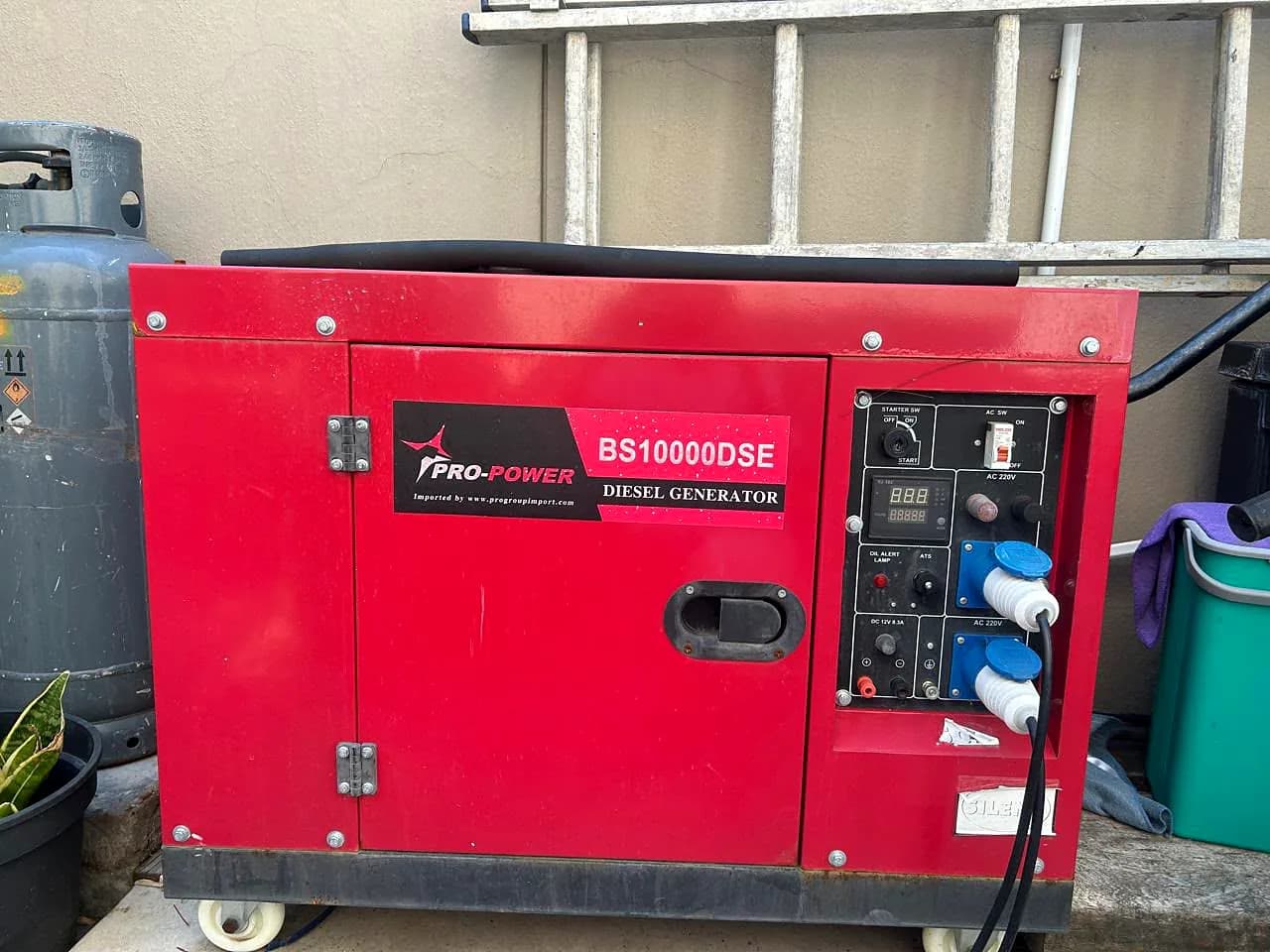 (full-size photo, opens in a new tab)
A silent diesel generator control panel with a digital meterRelated: Running but no power  (full-size photo, opens in a new tab)
A petrol generator with an AVR alternator and voltmeterRelated: Voltage problems  (full-size photo, opens in a new tab)
A silent diesel generator strapped down for transportRelated: Portable and inverter generators
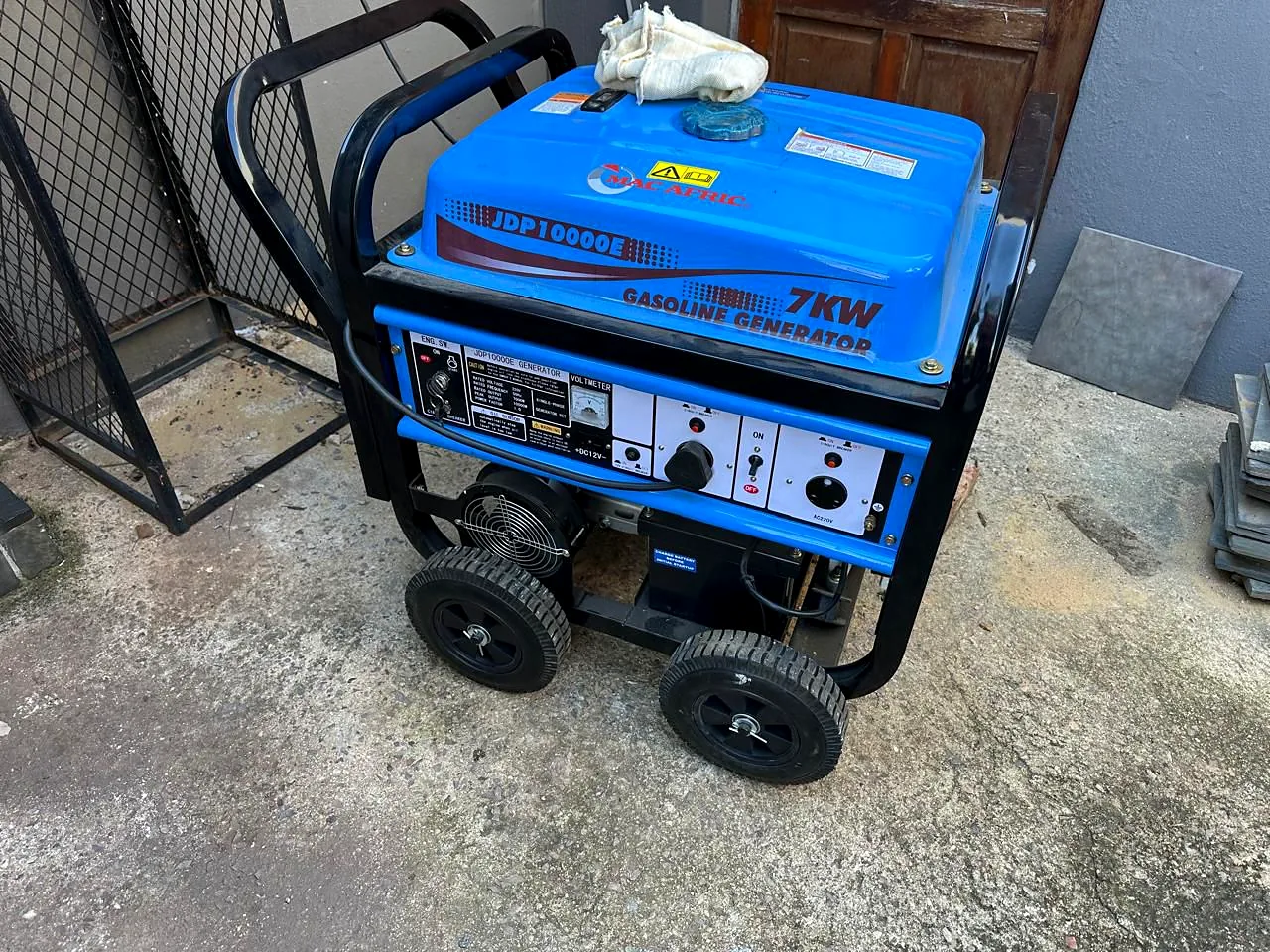
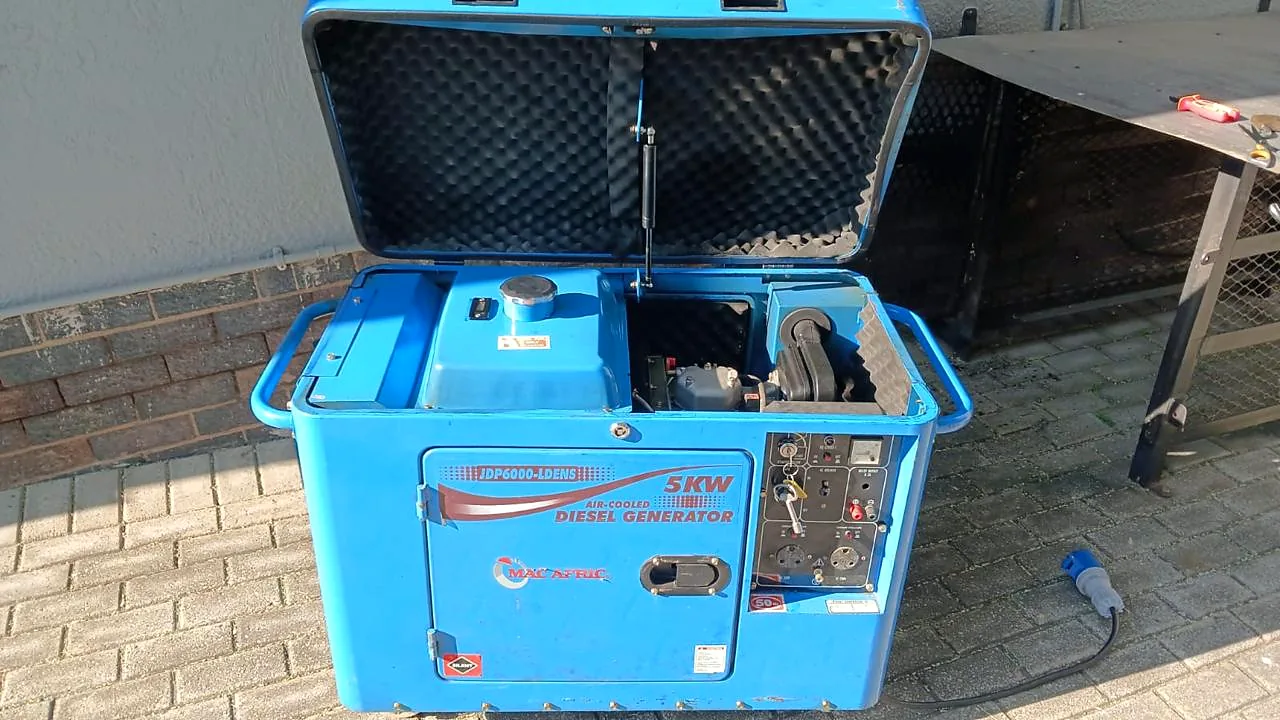
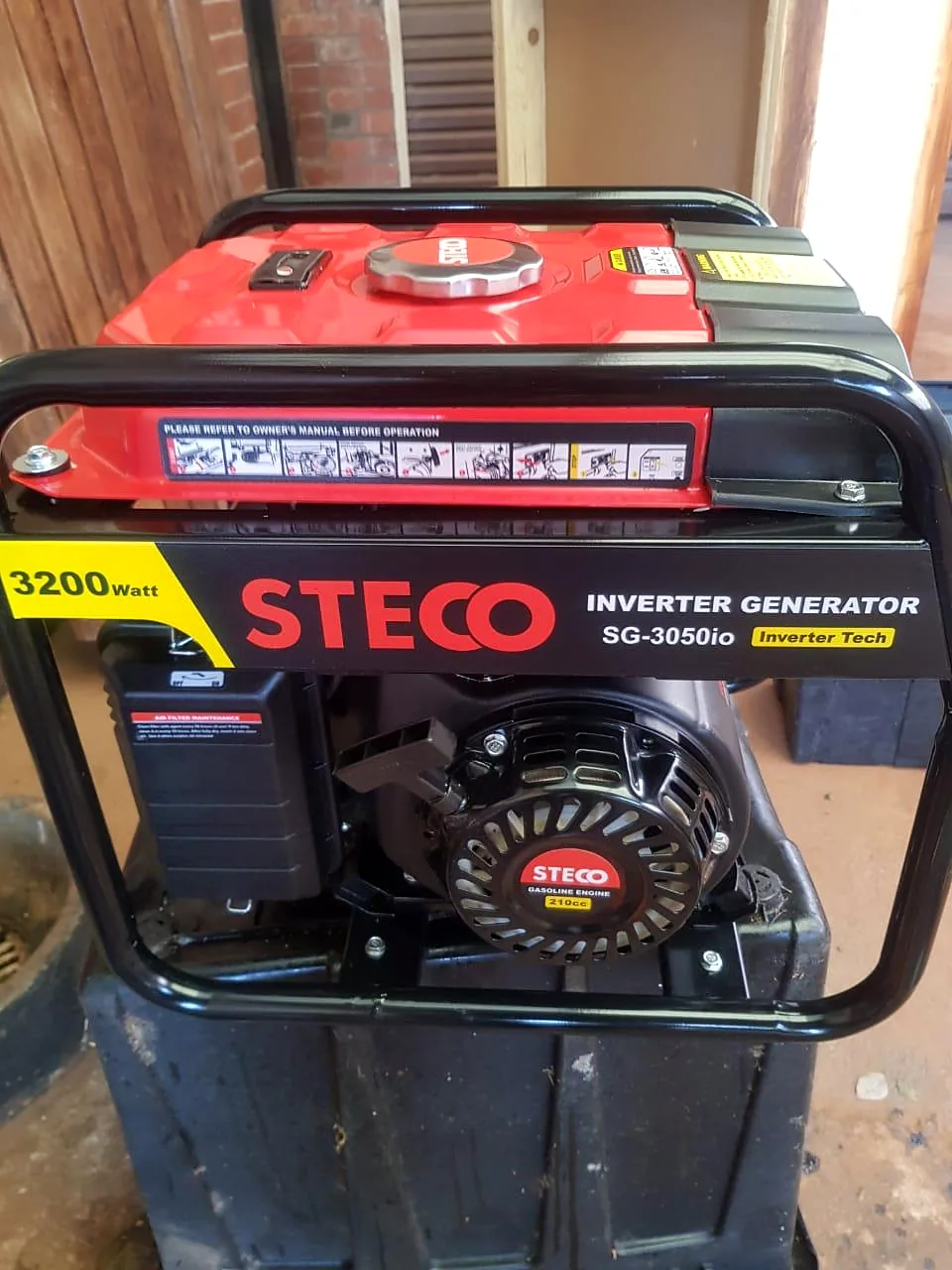
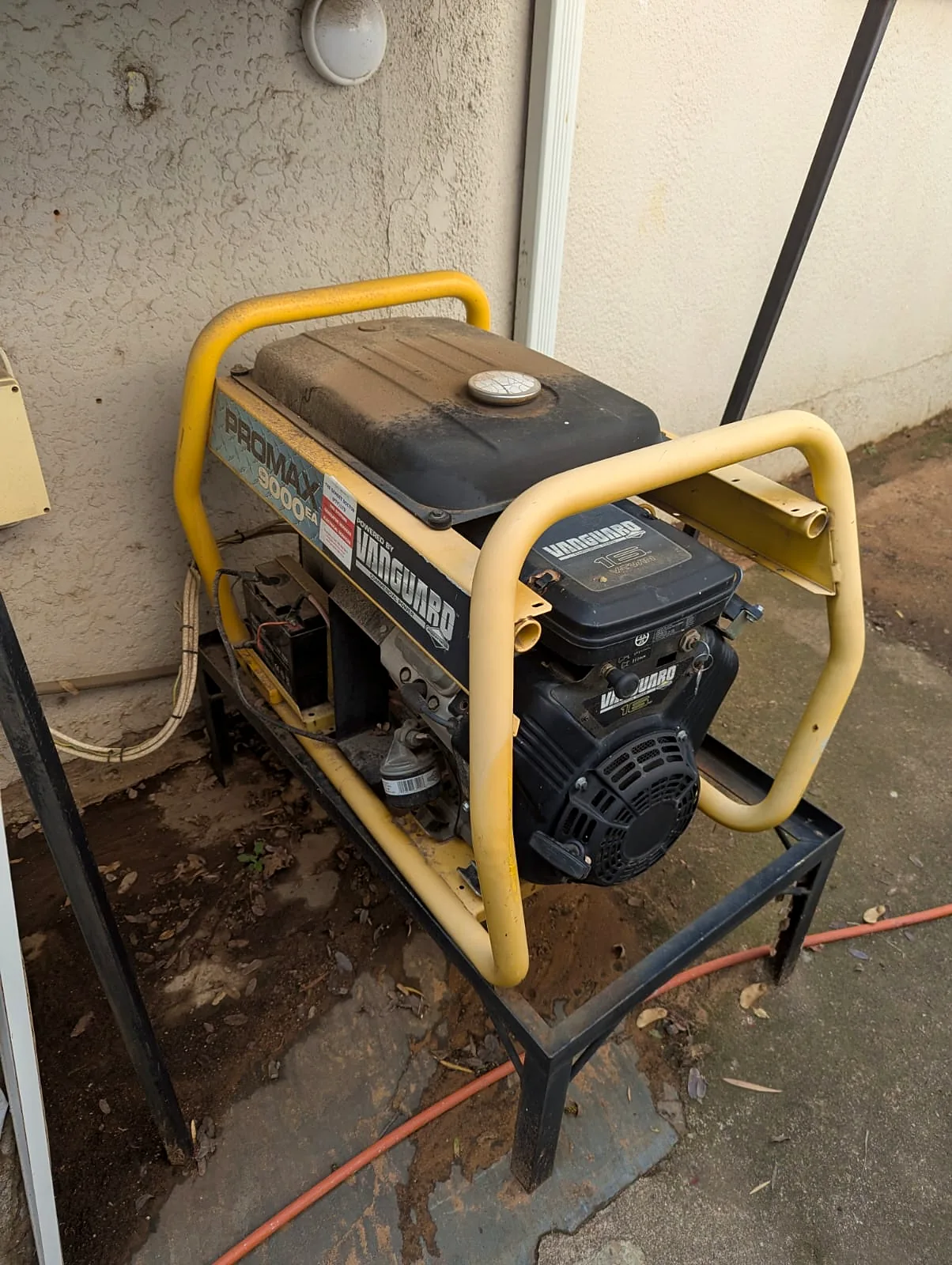
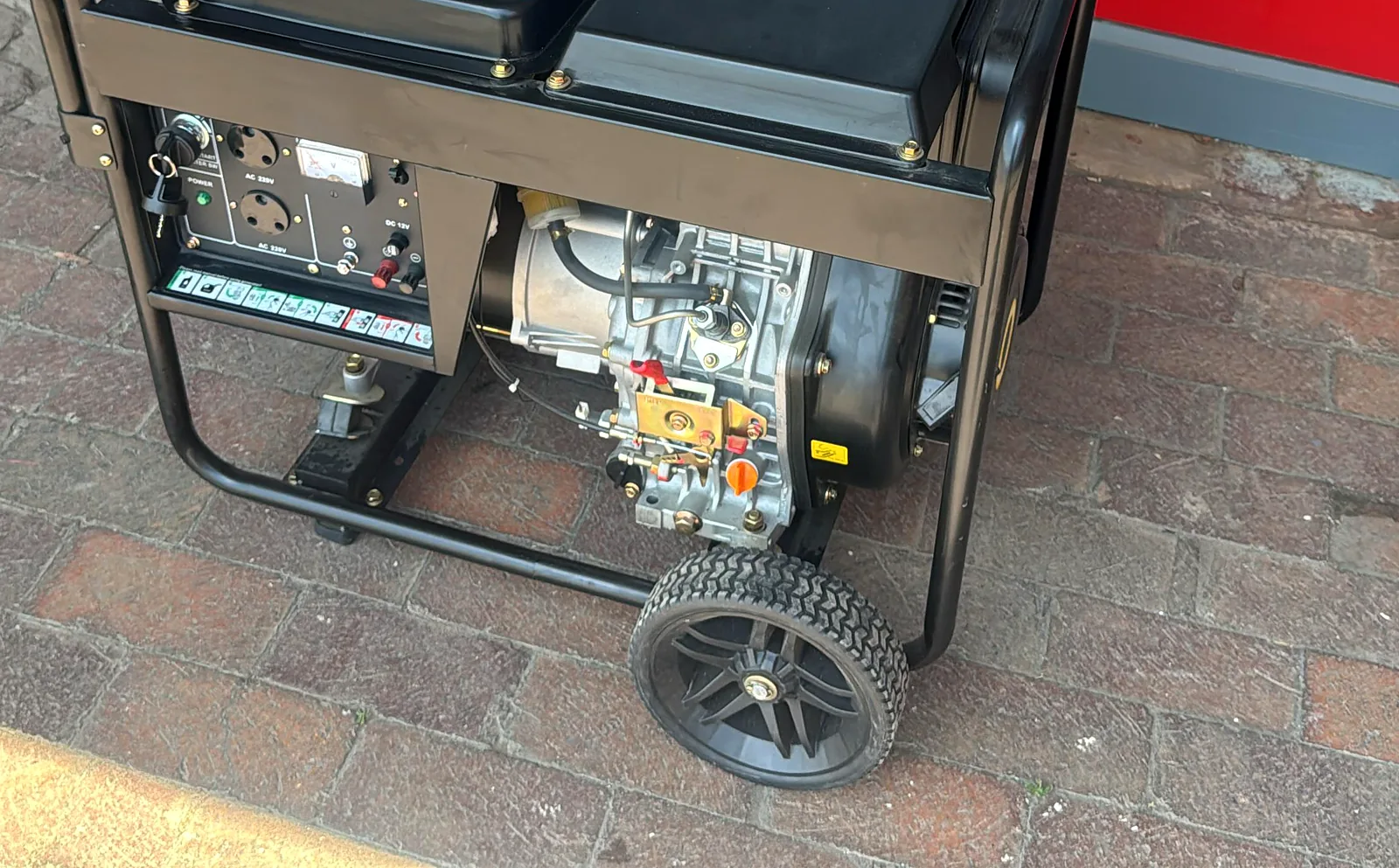
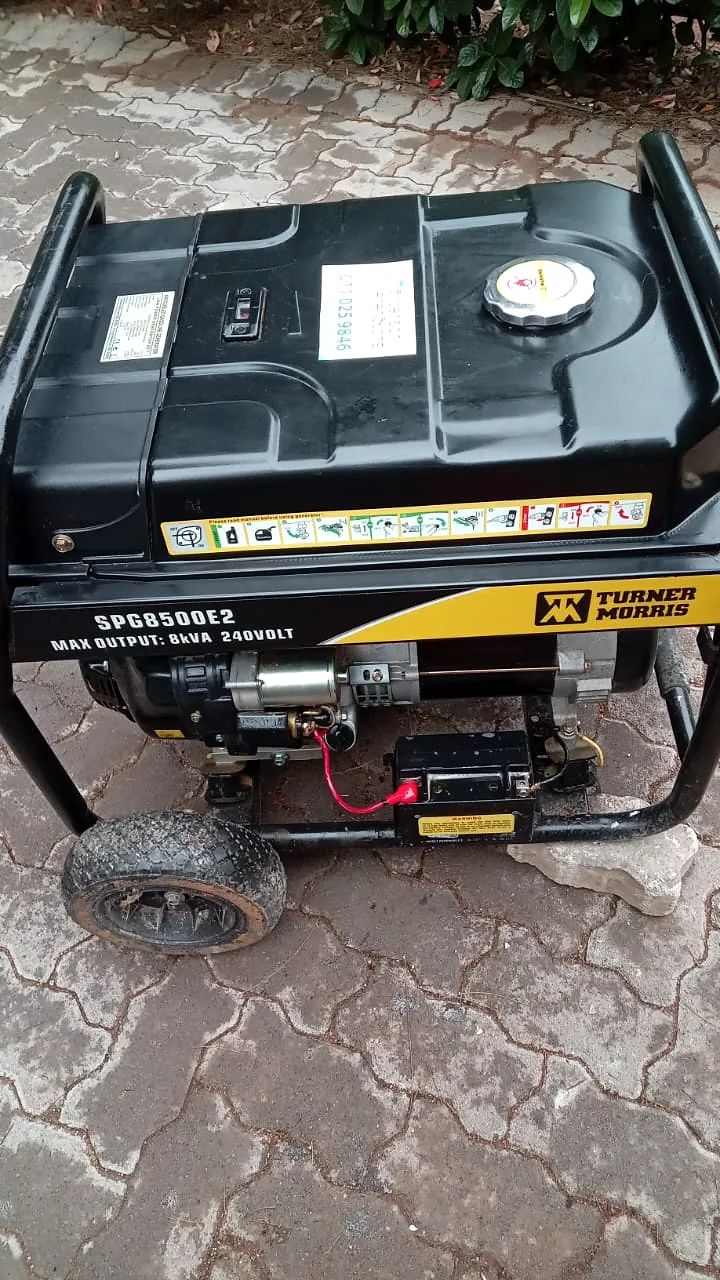
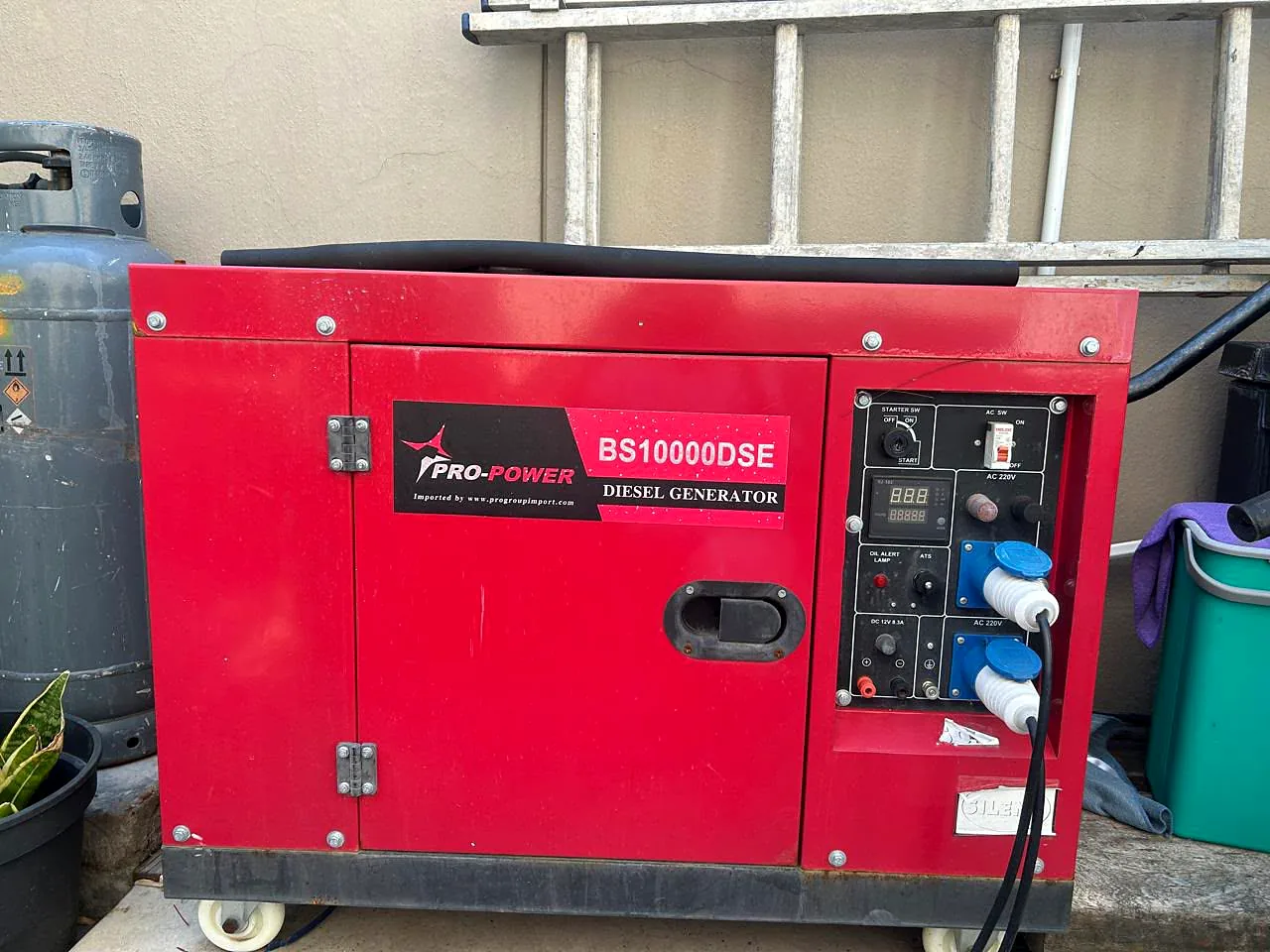
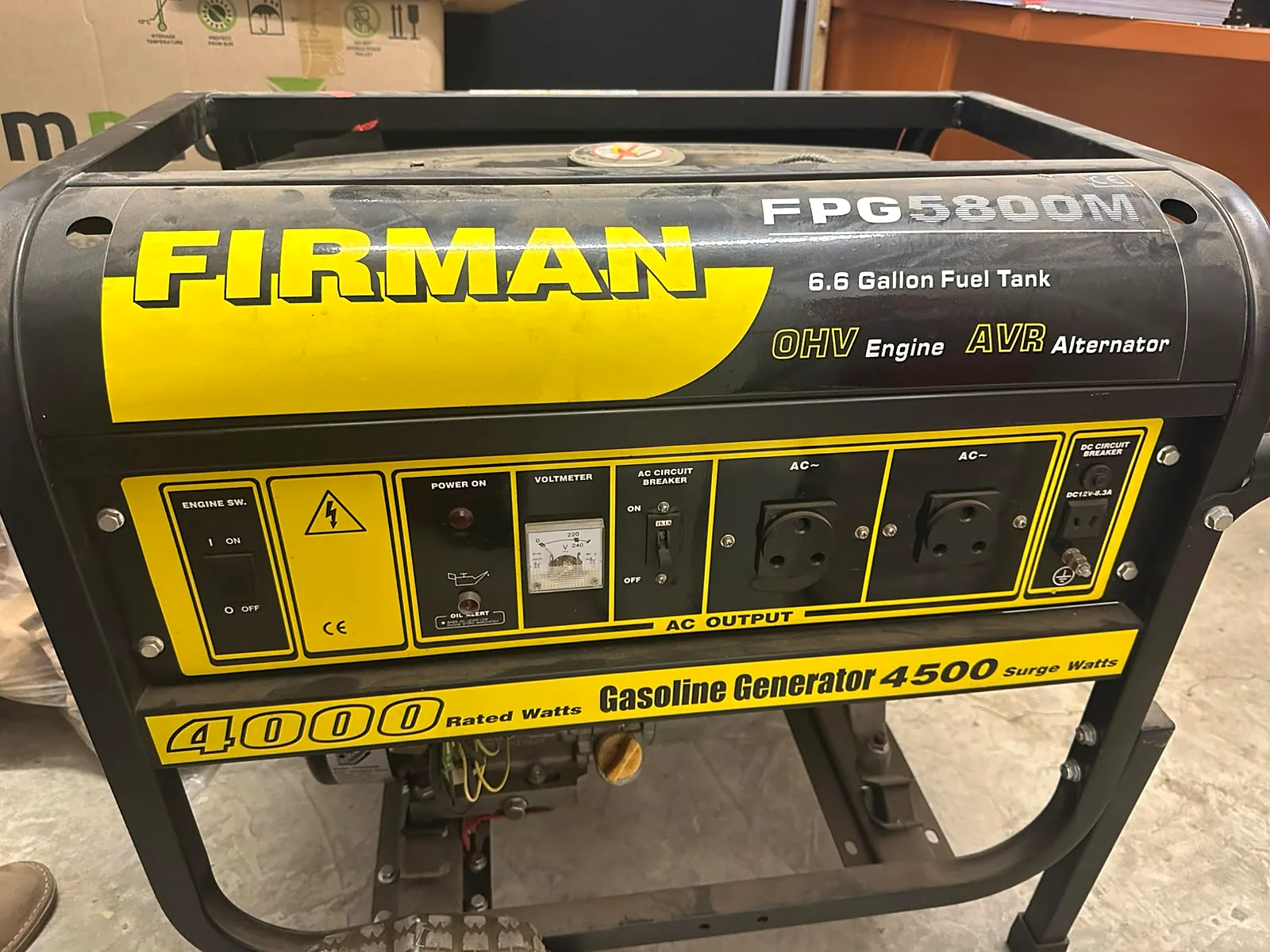
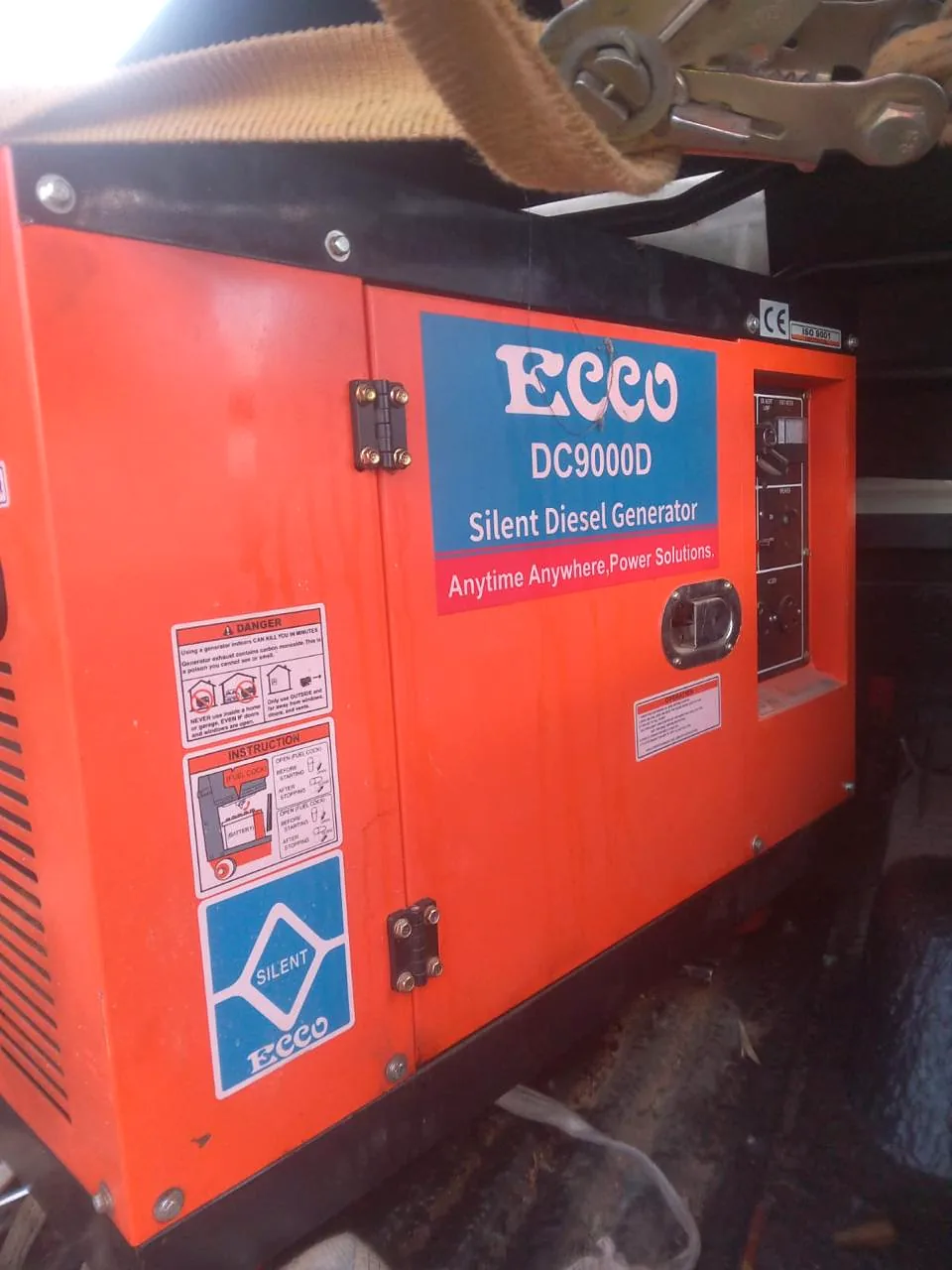
Portable units are what many households and small businesses run during load shedding. The photos include open-frame petrol units, an inverter generator, wheeled petrol sets from Ryobi, Mac Afric and Turner Morris, a petrol set with a Honda engine, and small silent and air-cooled diesel units from Kipor, Mac Afric and others.
Two photos show a detail that matters in a repair: the labels on the Ryobi and Firman units say their alternators use an AVR (automatic voltage regulator), the part that holds the voltage steady as the load changes, and a failed AVR is a common reason for no output or unstable voltage: see AVR repairs. Petrol units suffer most from stale fuel, which gums up the carburettor when a generator stands for months between outages; the petrol generators page covers it.
Engines, controls and components
13 photos
 (full-size photo, opens in a new tab)
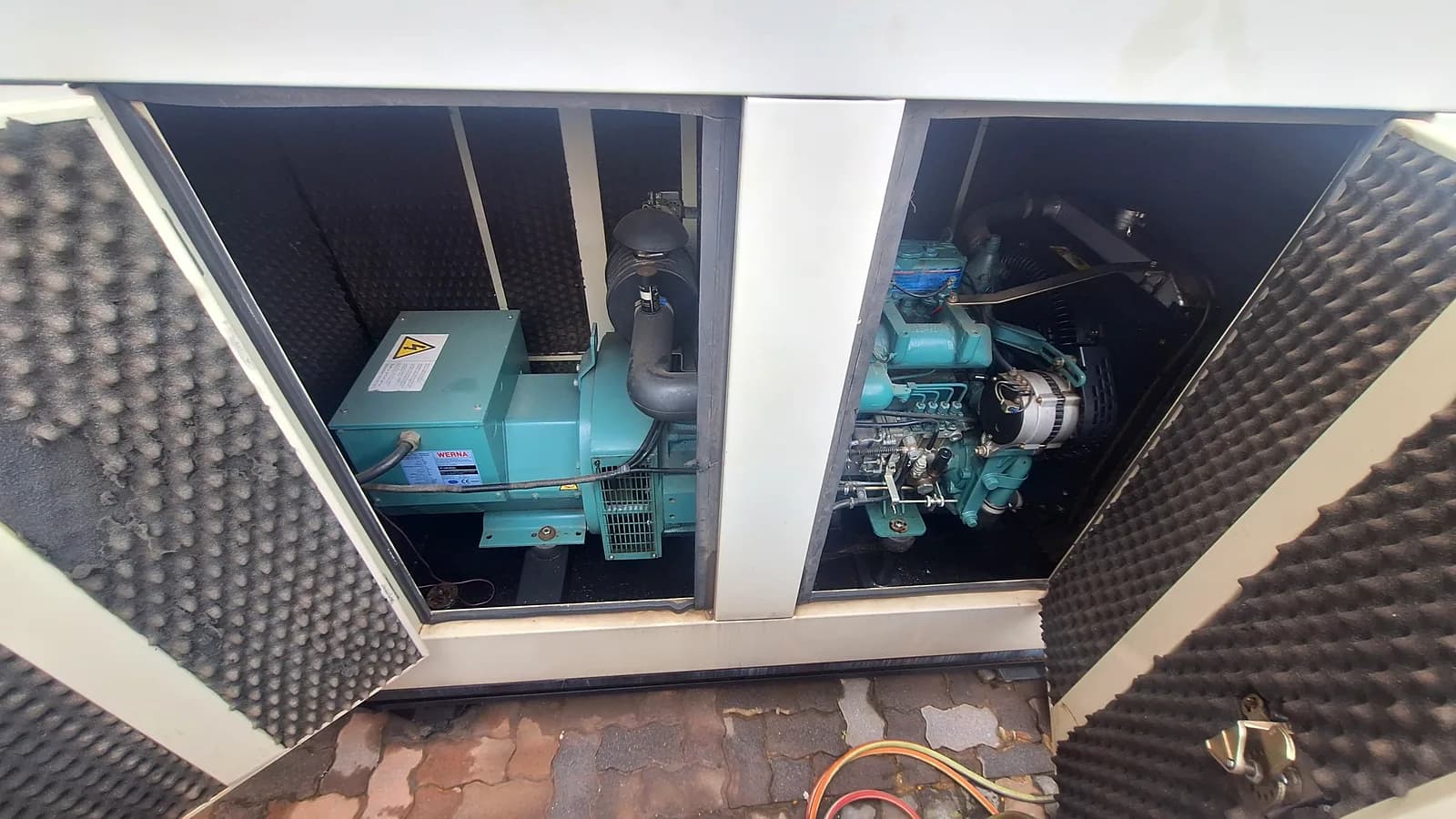
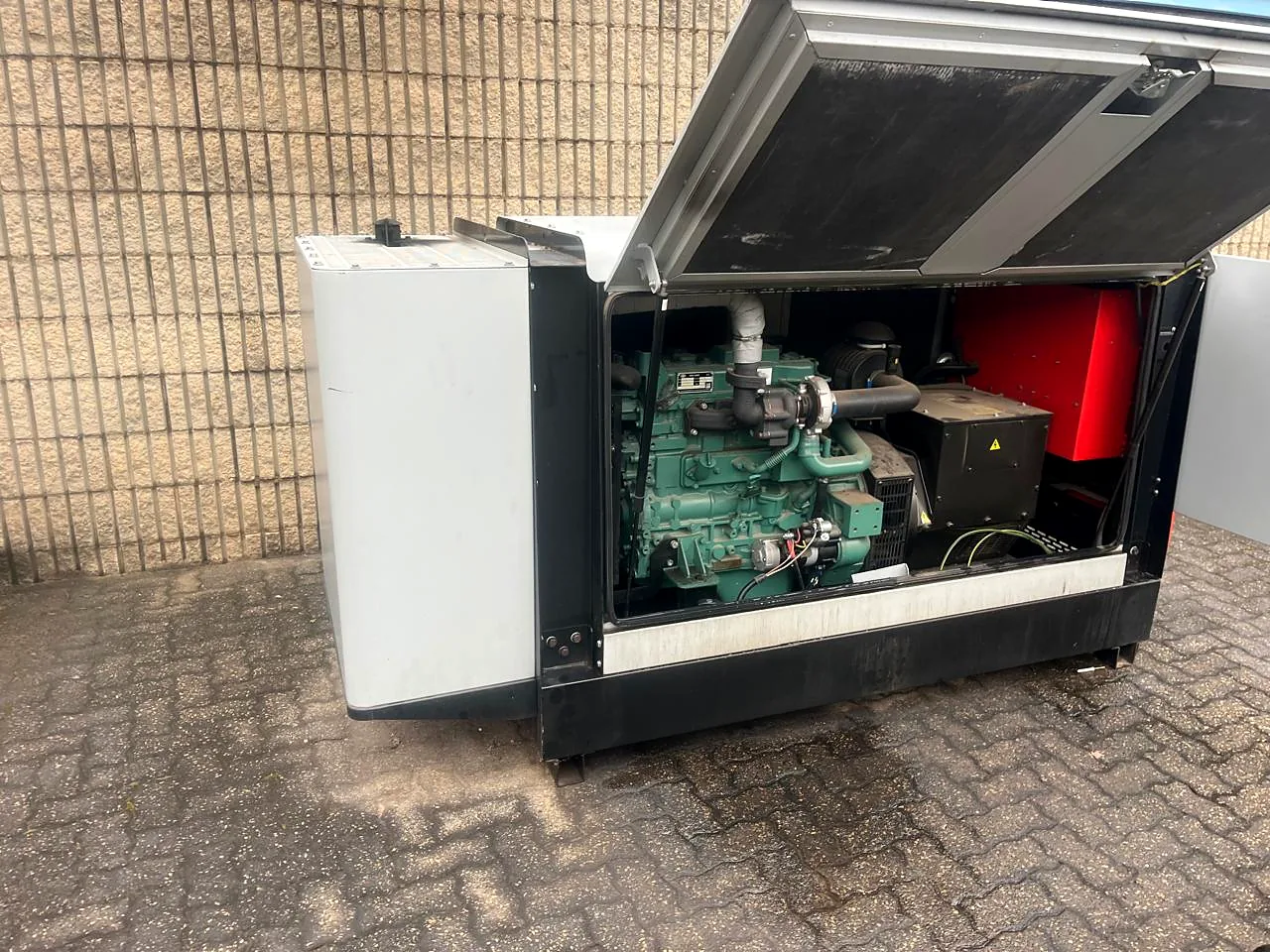
The engine and alternator inside an acoustic canopyRelated: AVR repairs 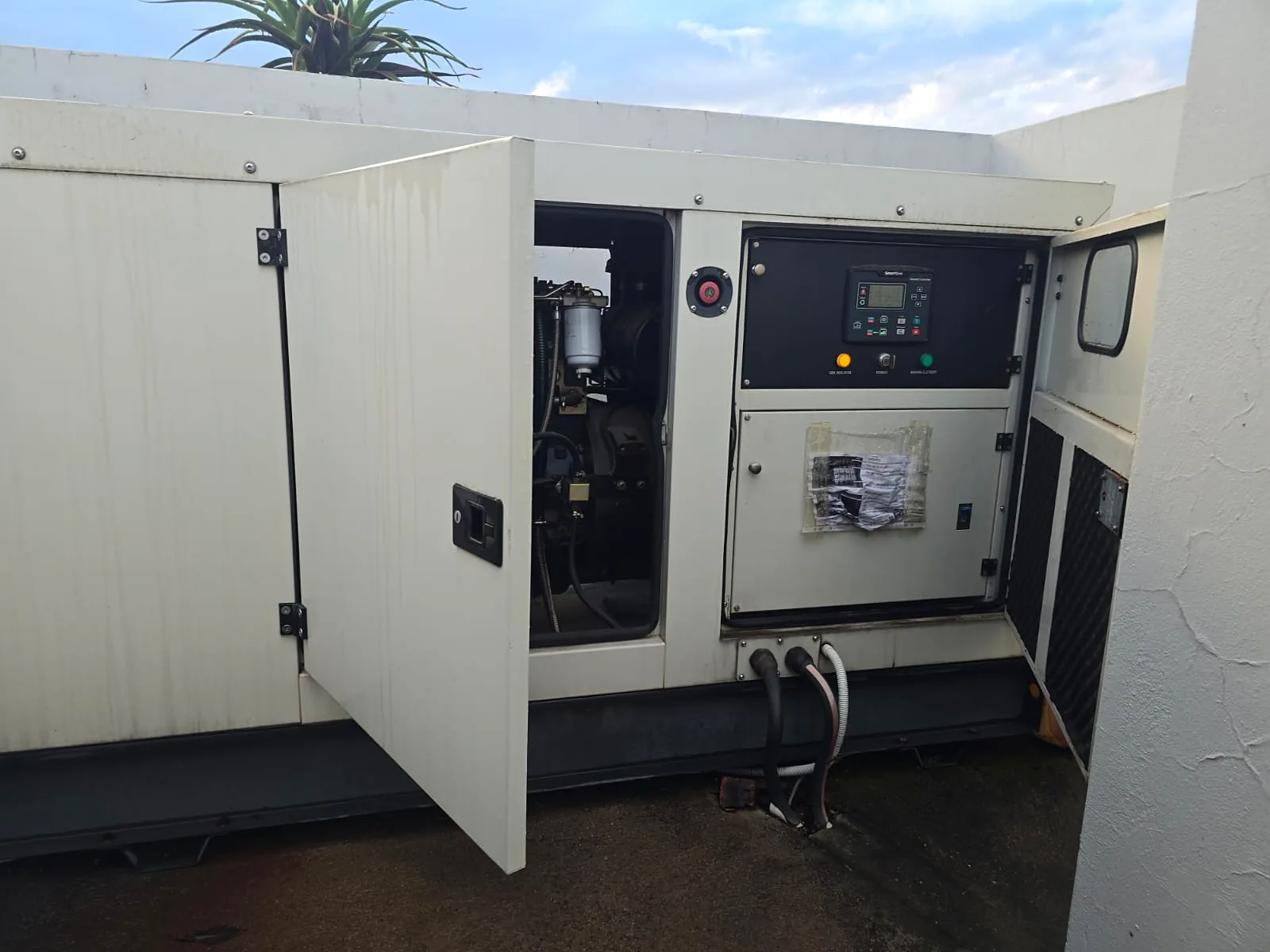 (full-size photo, opens in a new tab)
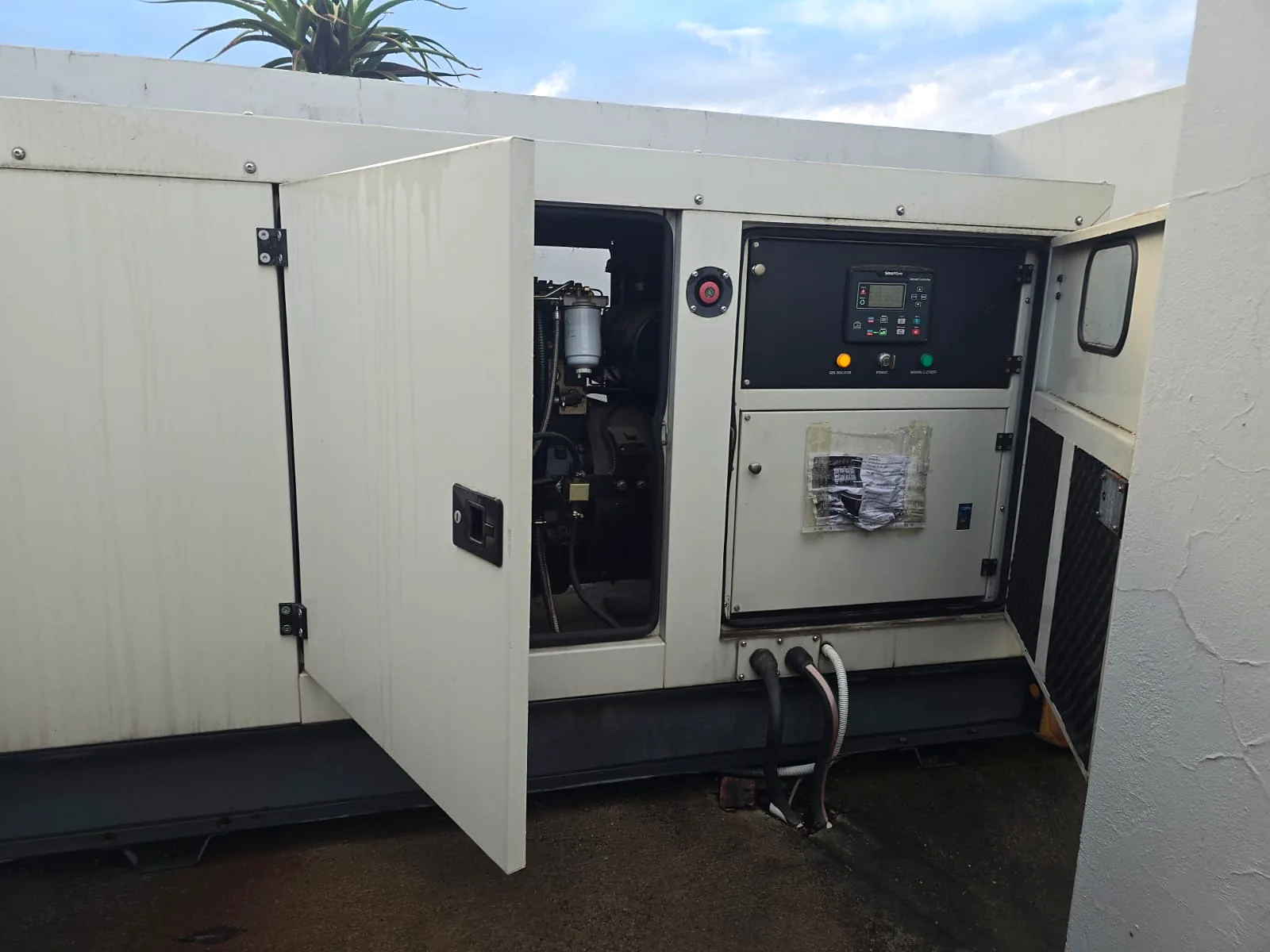
A SmartGen controller in a generator control panelRelated: SmartGen  (full-size photo, opens in a new tab)
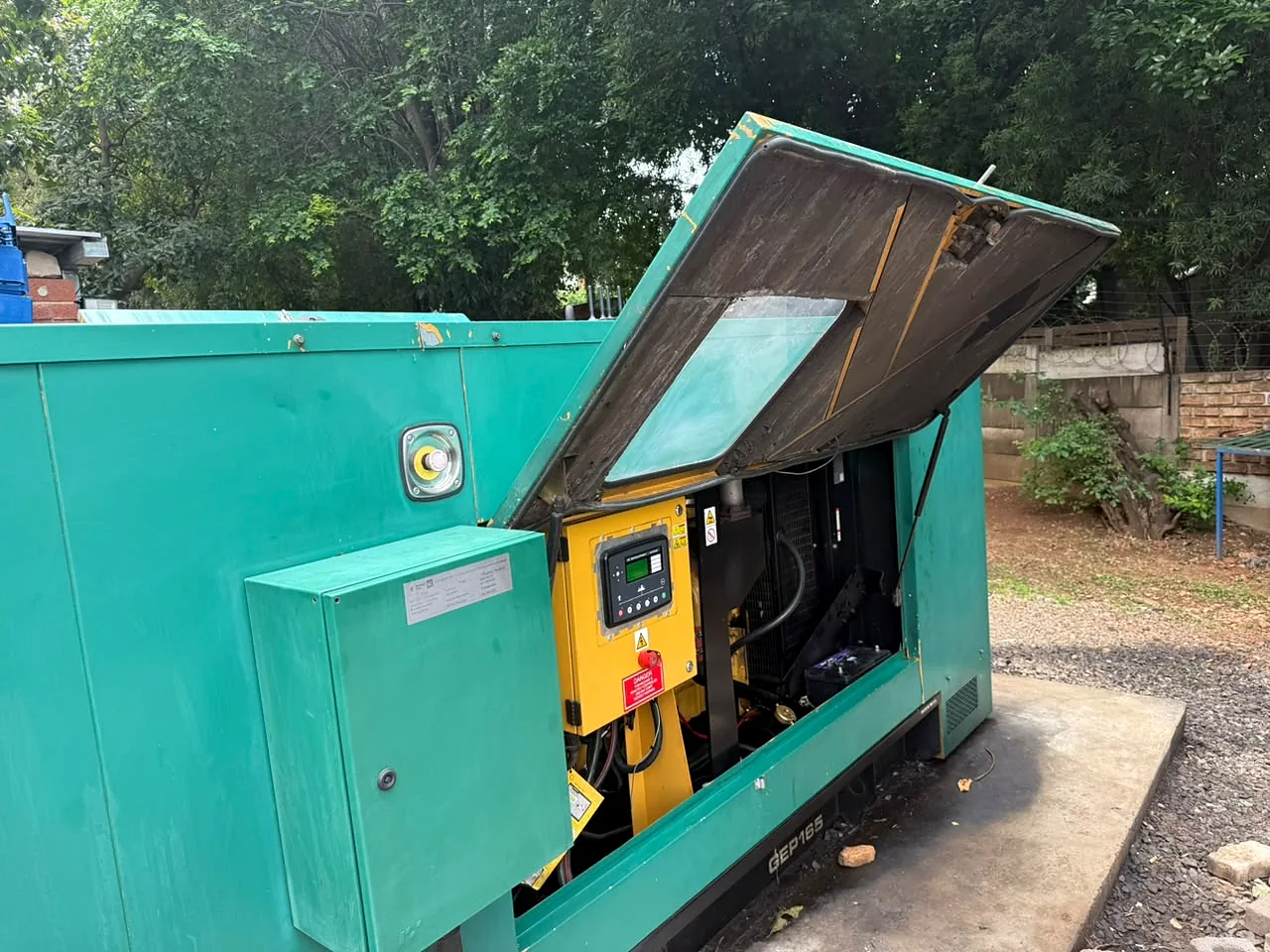
The control module of a standby set, with the lid raisedRelated: Control panel repairs 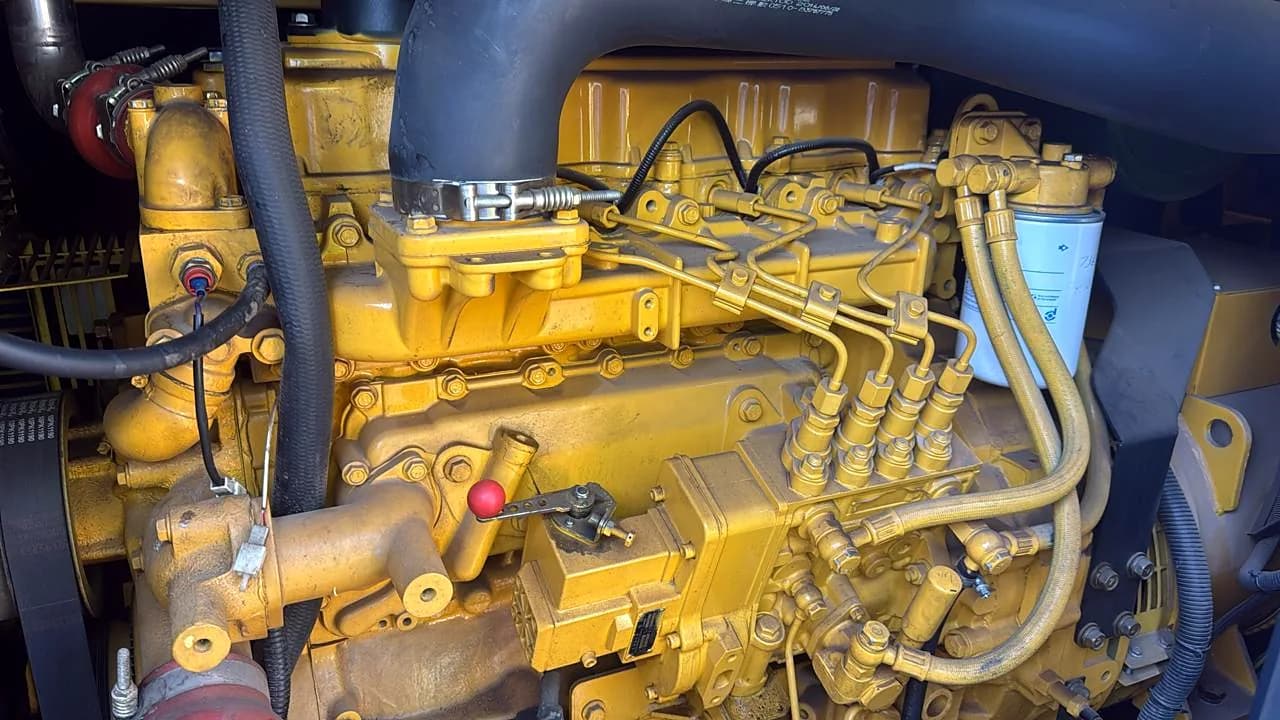 (full-size photo, opens in a new tab)
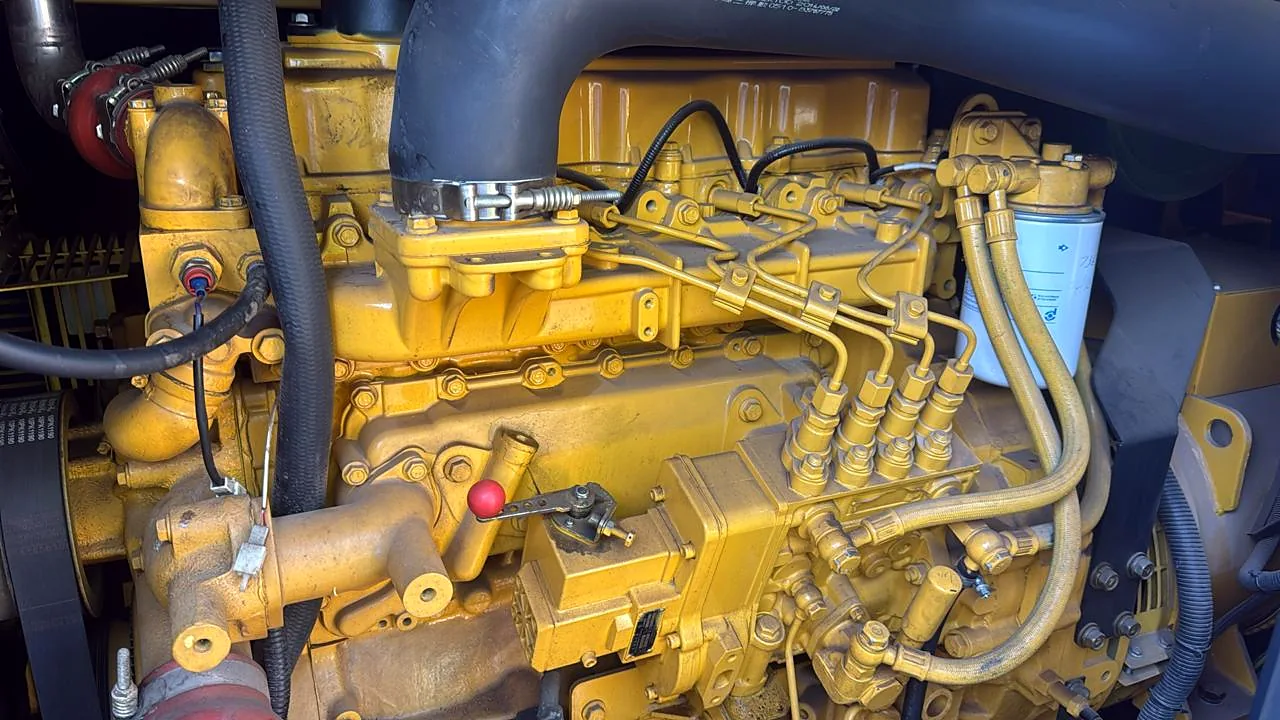
The fuel injection pump and injector pipes of a diesel engineRelated: Fuel system repairs 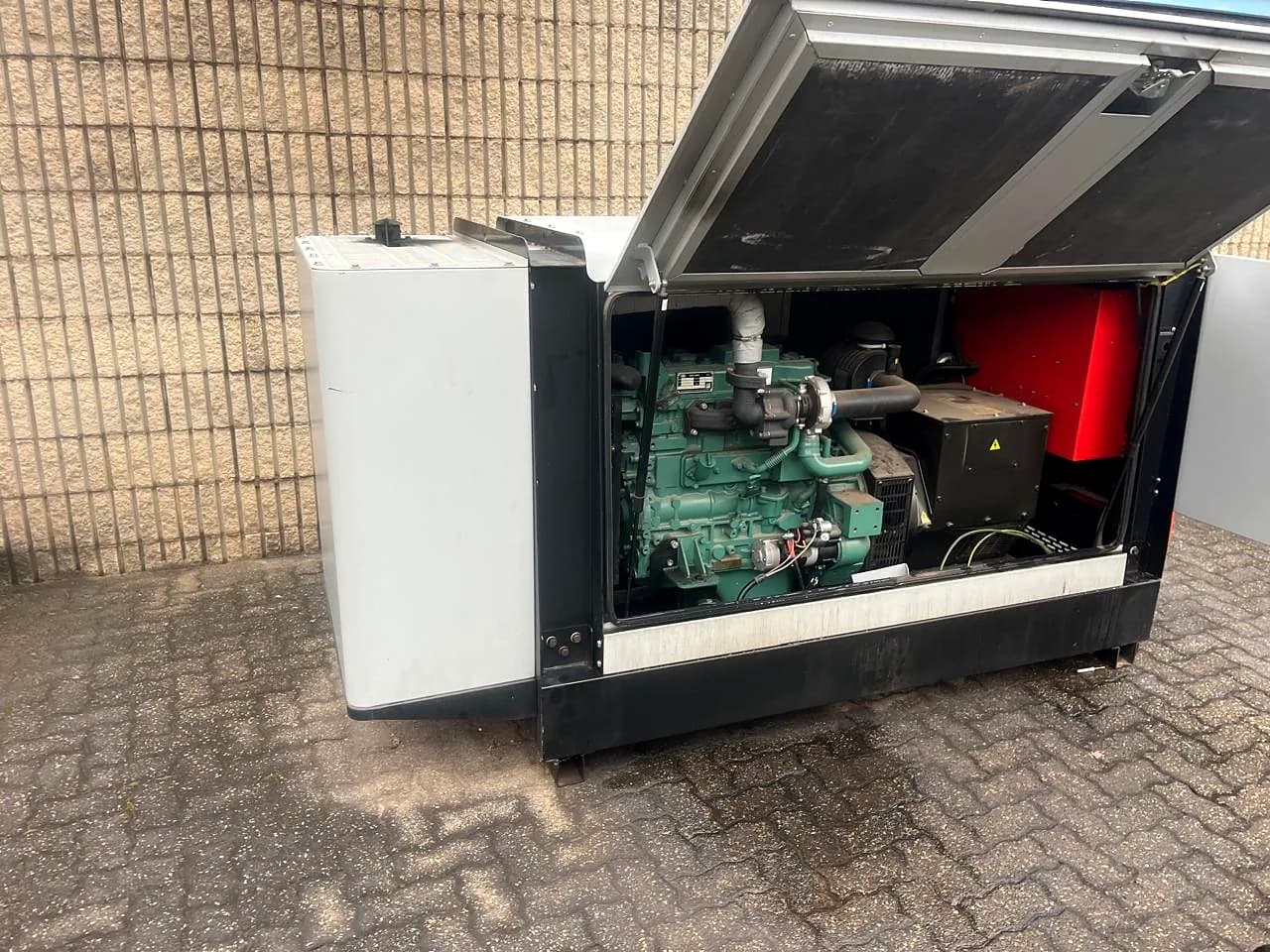 (full-size photo, opens in a new tab)
A turbocharged diesel engine inside its canopyRelated: Smoke 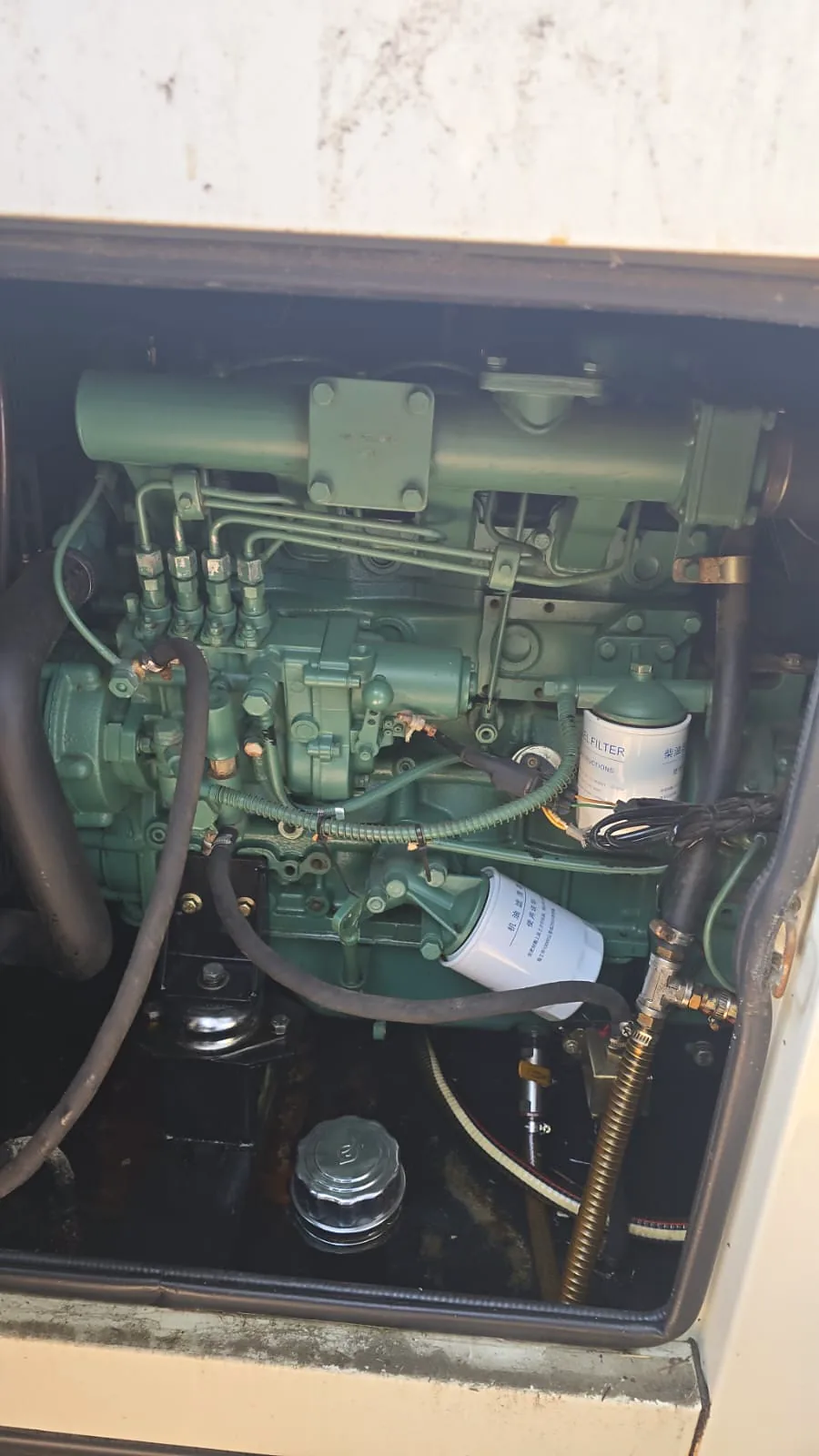 (full-size photo, opens in a new tab)
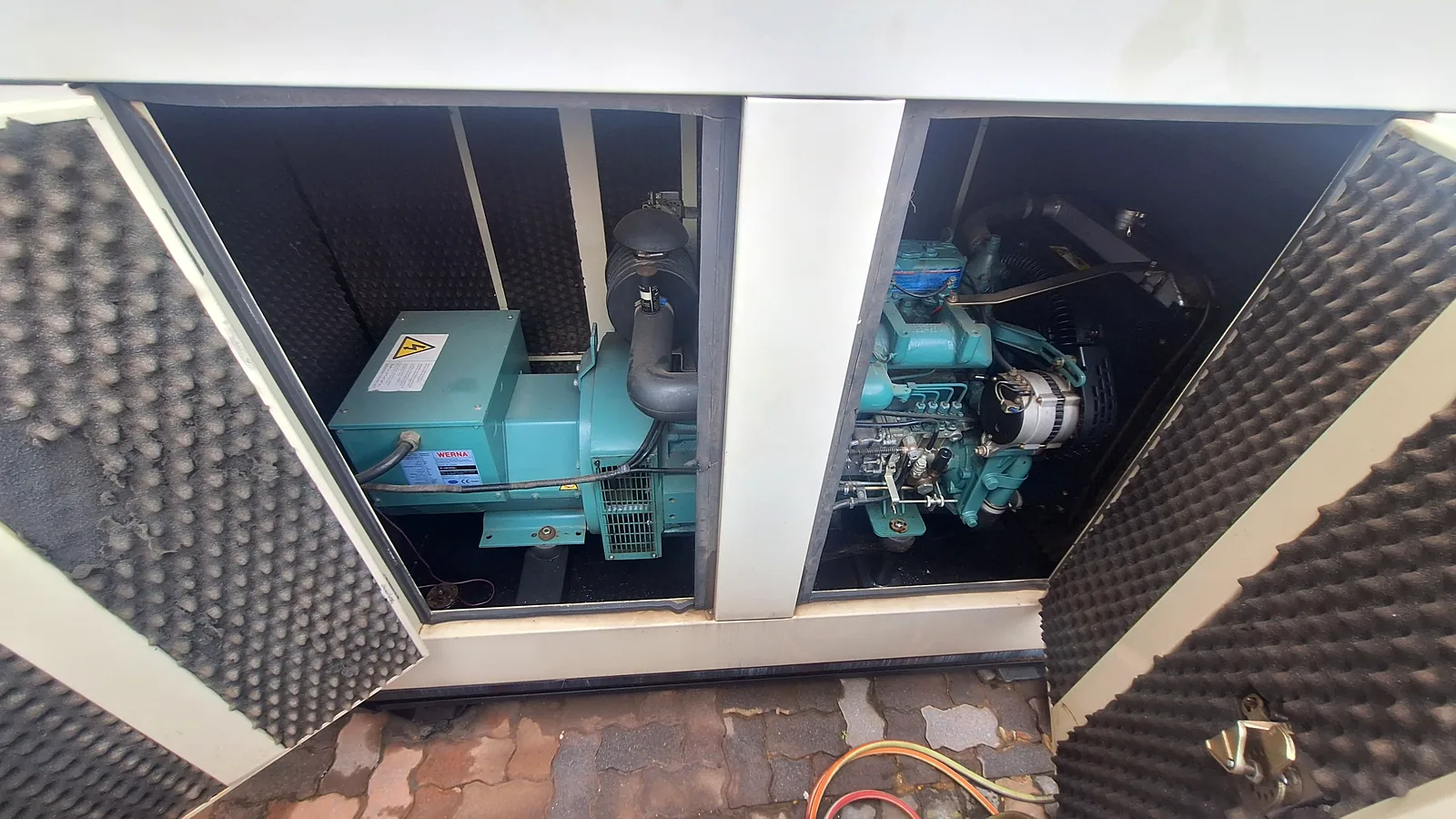
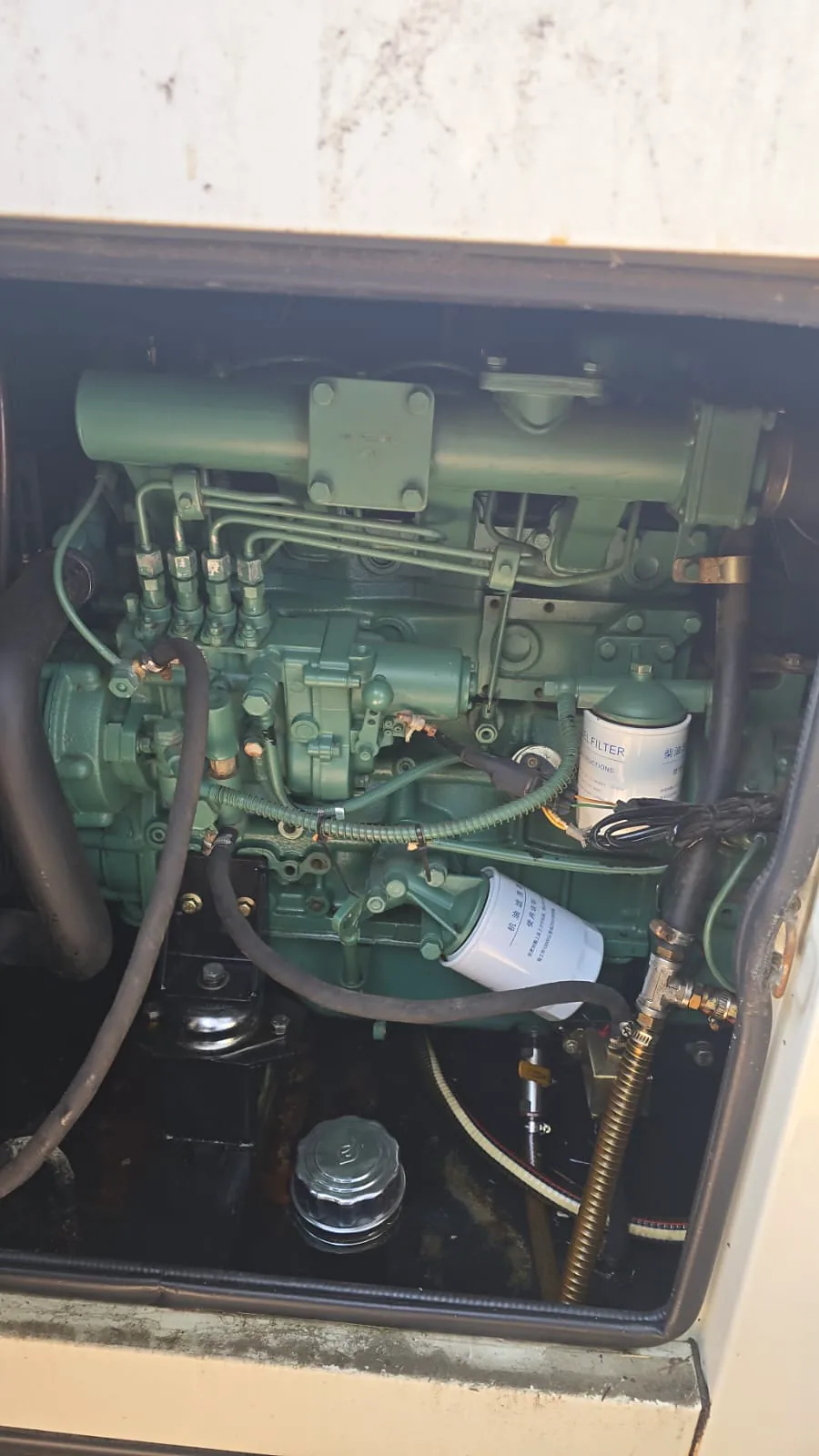
Oil and fuel filters on a generator’s diesel engineRelated: Generator service checklist
Show all 13 photosShow fewer photos
 (full-size photo, opens in a new tab)
The fuel filter and injection pump of a diesel engineRelated: Surging and hunting 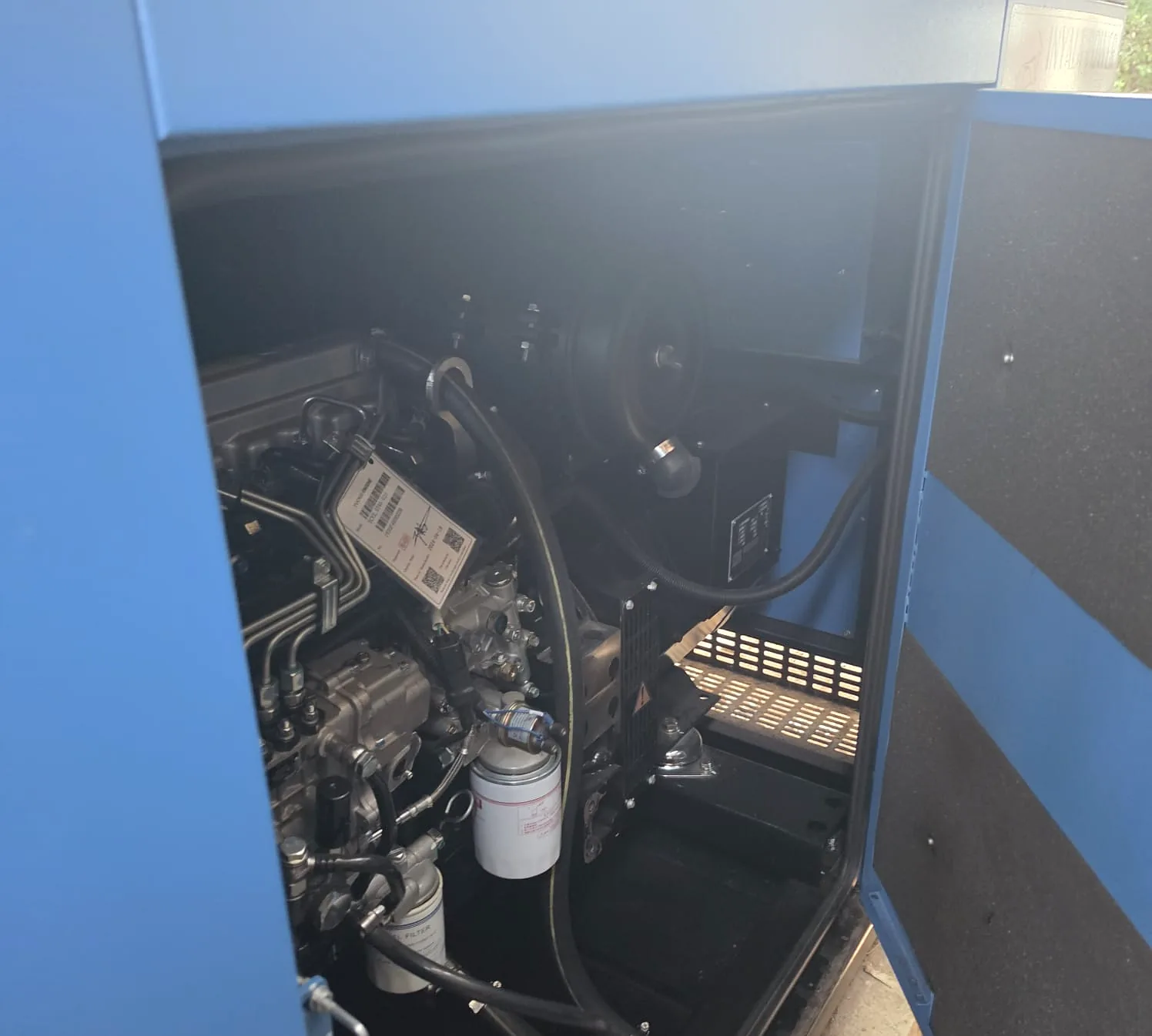 (full-size photo, opens in a new tab)
Inside a diesel generator canopyRelated: Generator maintenance  (full-size photo, opens in a new tab)
The starter motor and battery inside a generator canopyRelated: Generator not starting  (full-size photo, opens in a new tab)
The starting battery inside a silent diesel generatorRelated: Battery not charging  (full-size photo, opens in a new tab)
The air-cooled engine inside a Generac home standby generatorRelated: Generac  (full-size photo, opens in a new tab)
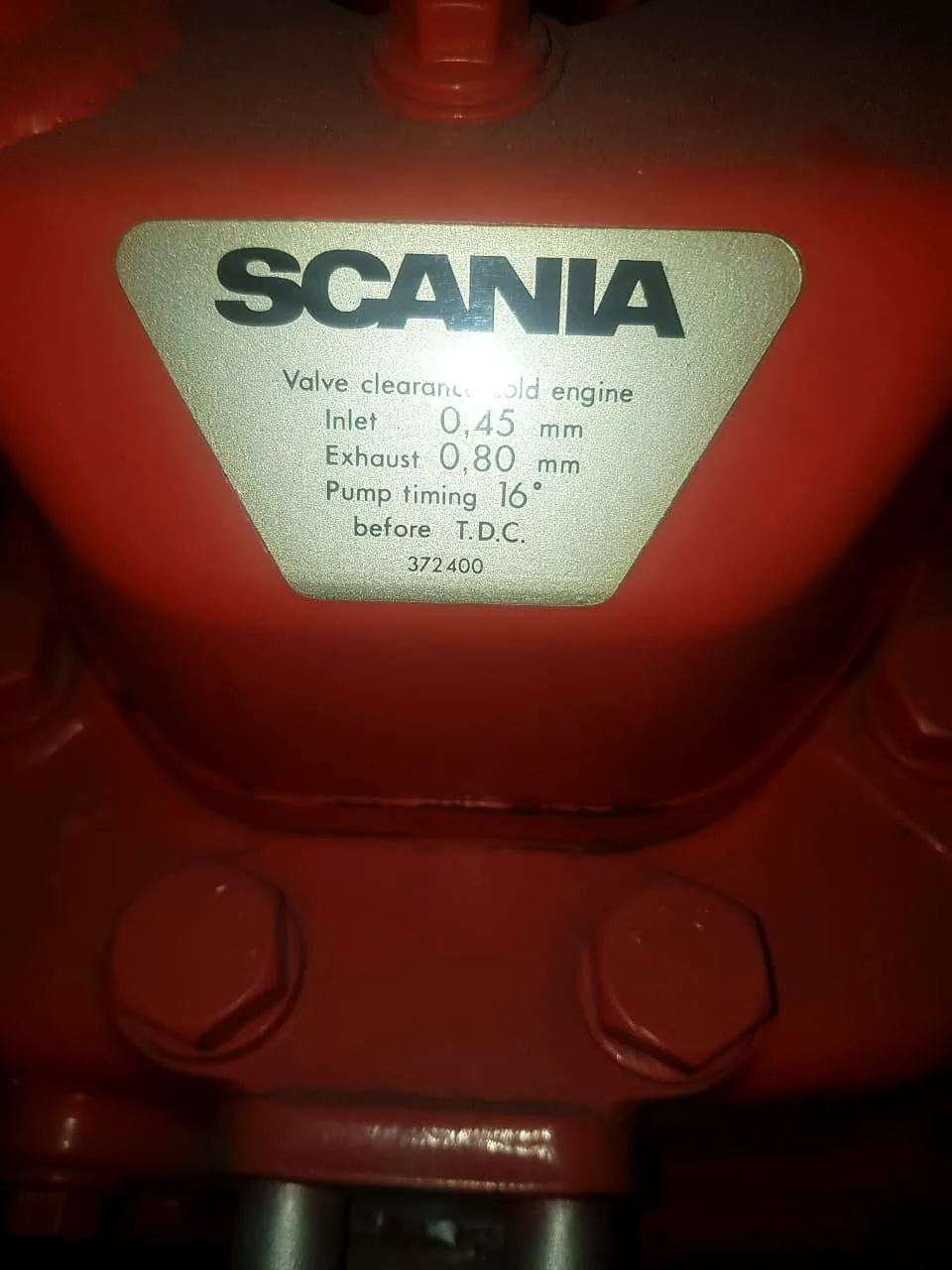
An engine label on the rocker coverRelated: Control panel repairs 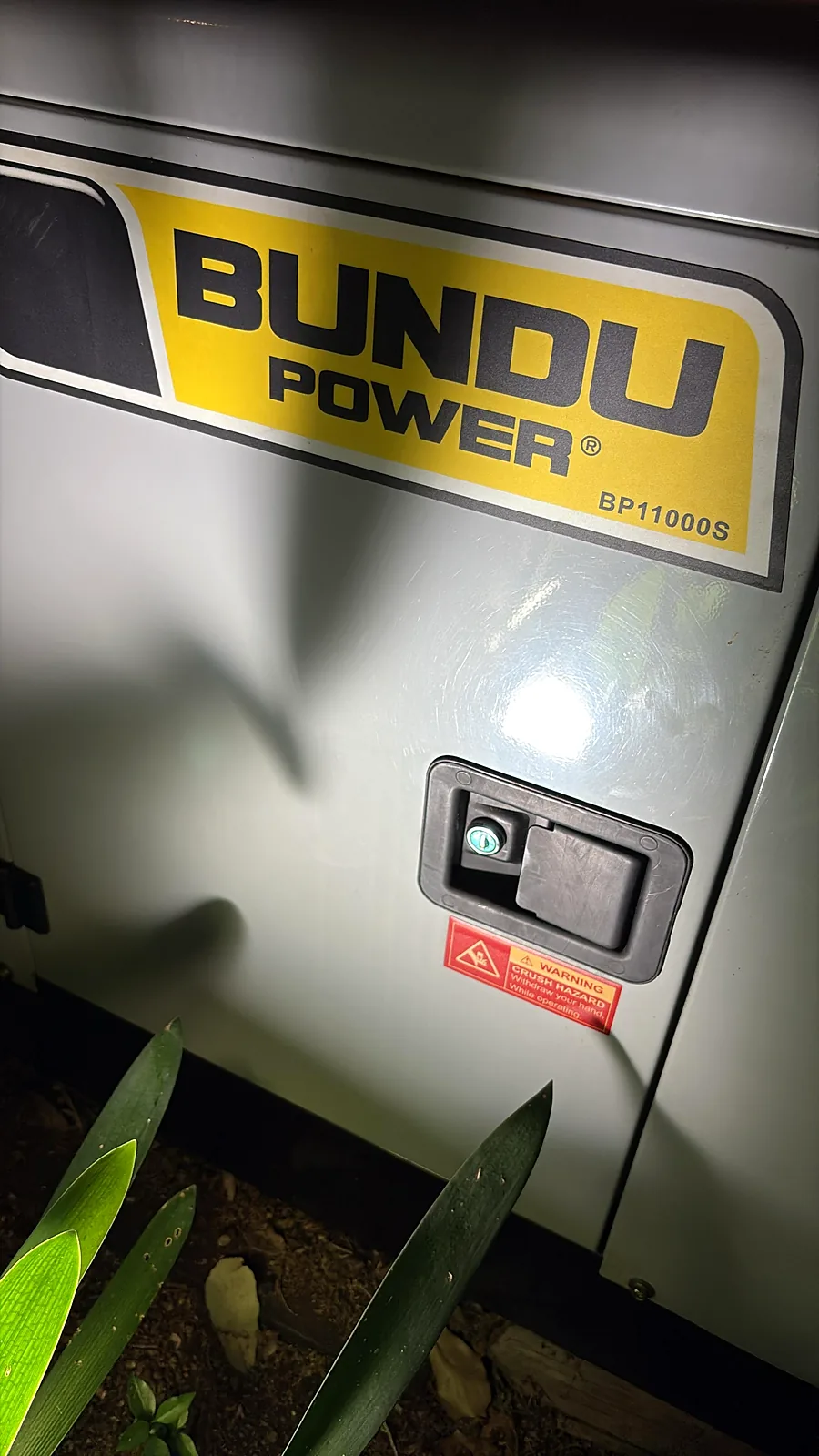 (full-size photo, opens in a new tab)
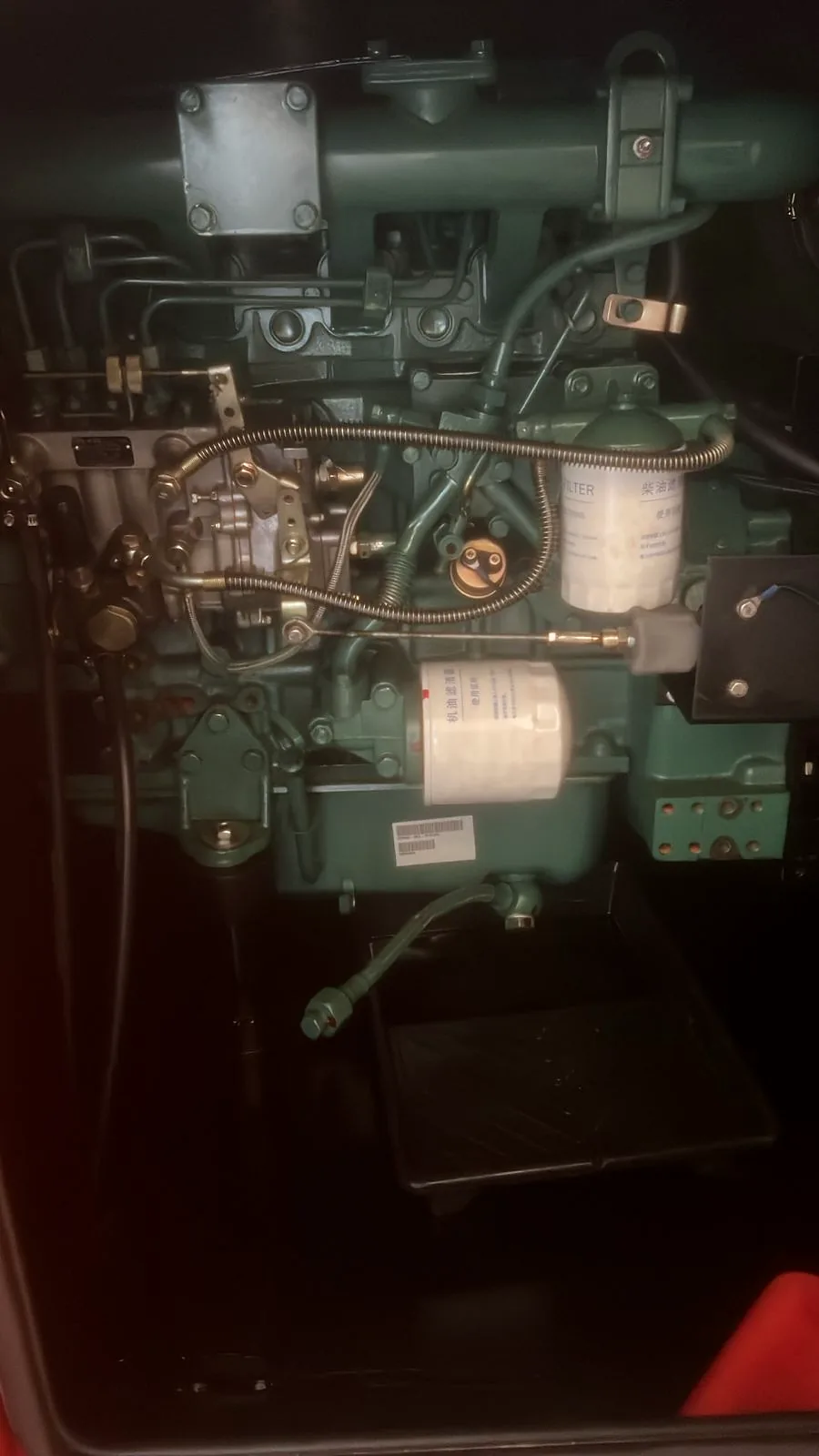
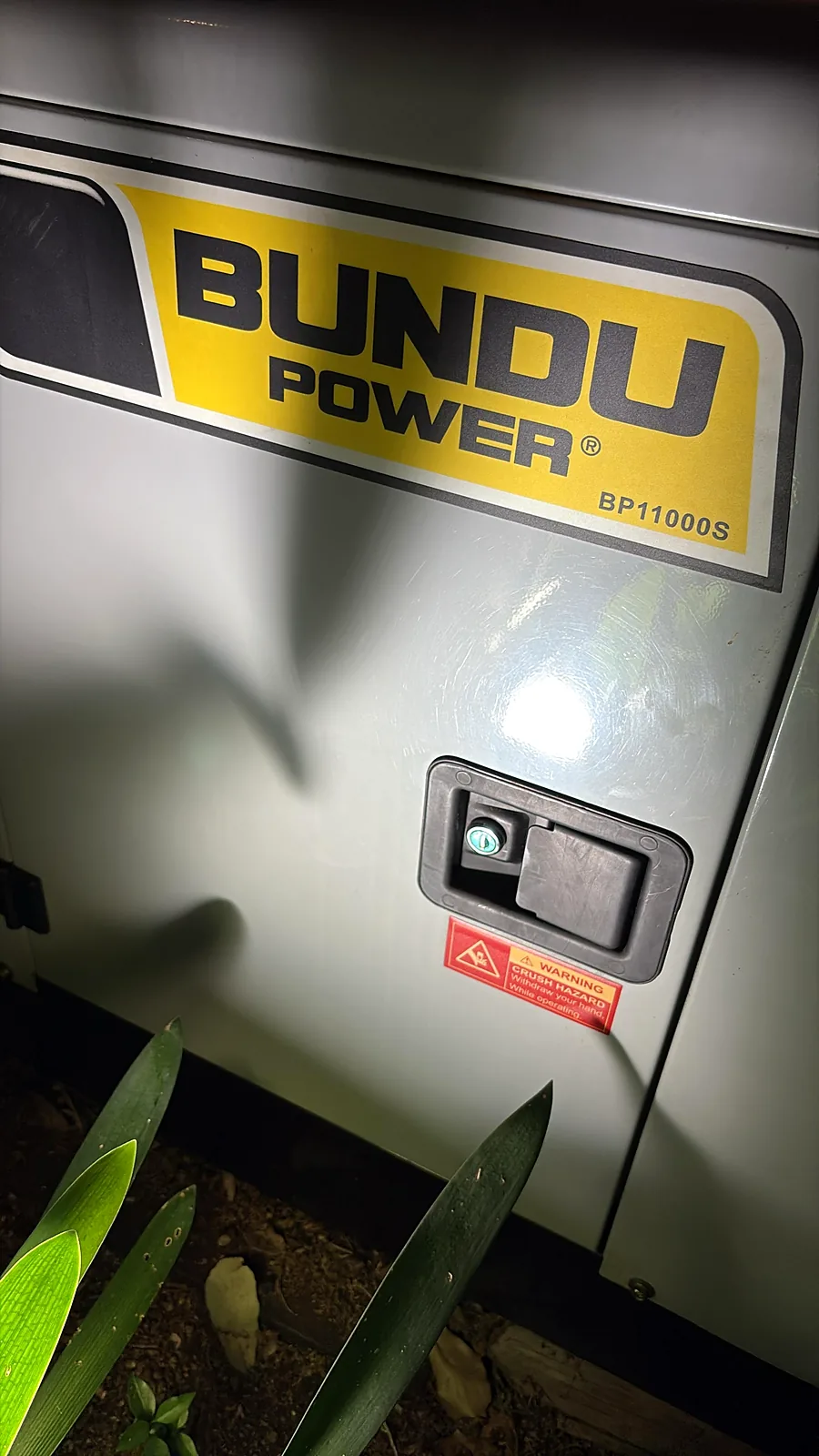
A generator model labelRelated: Control panel repairs
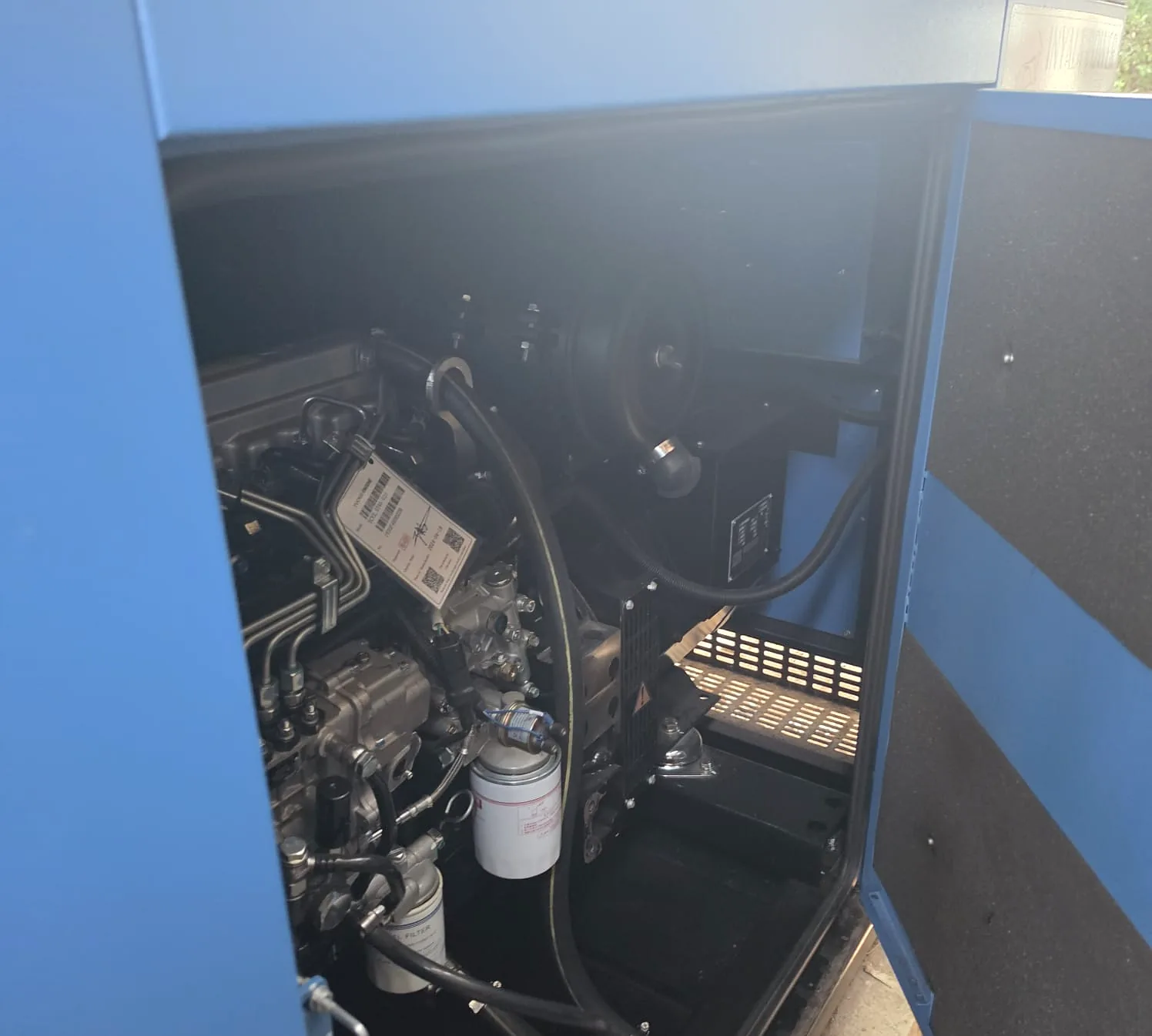
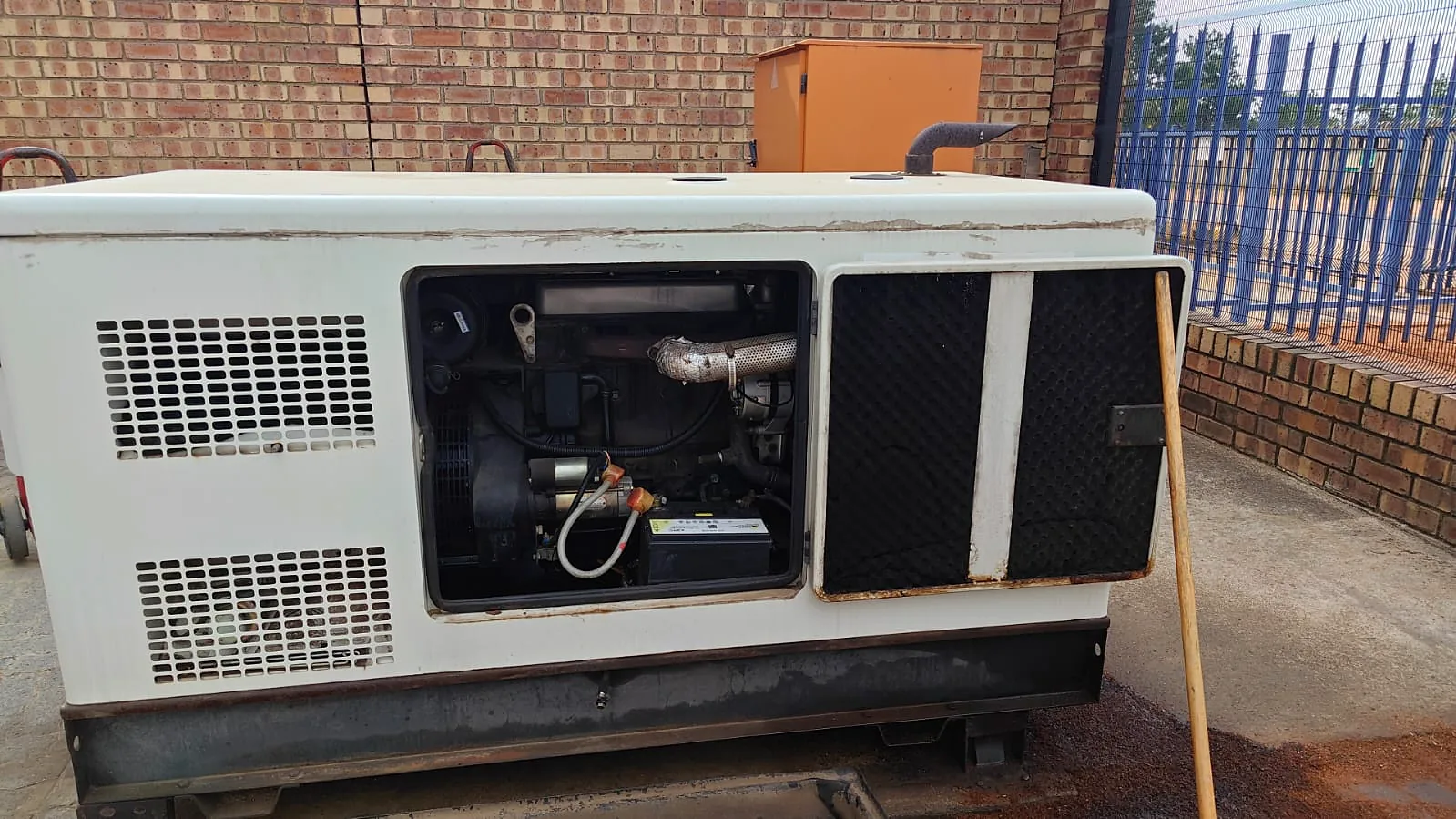
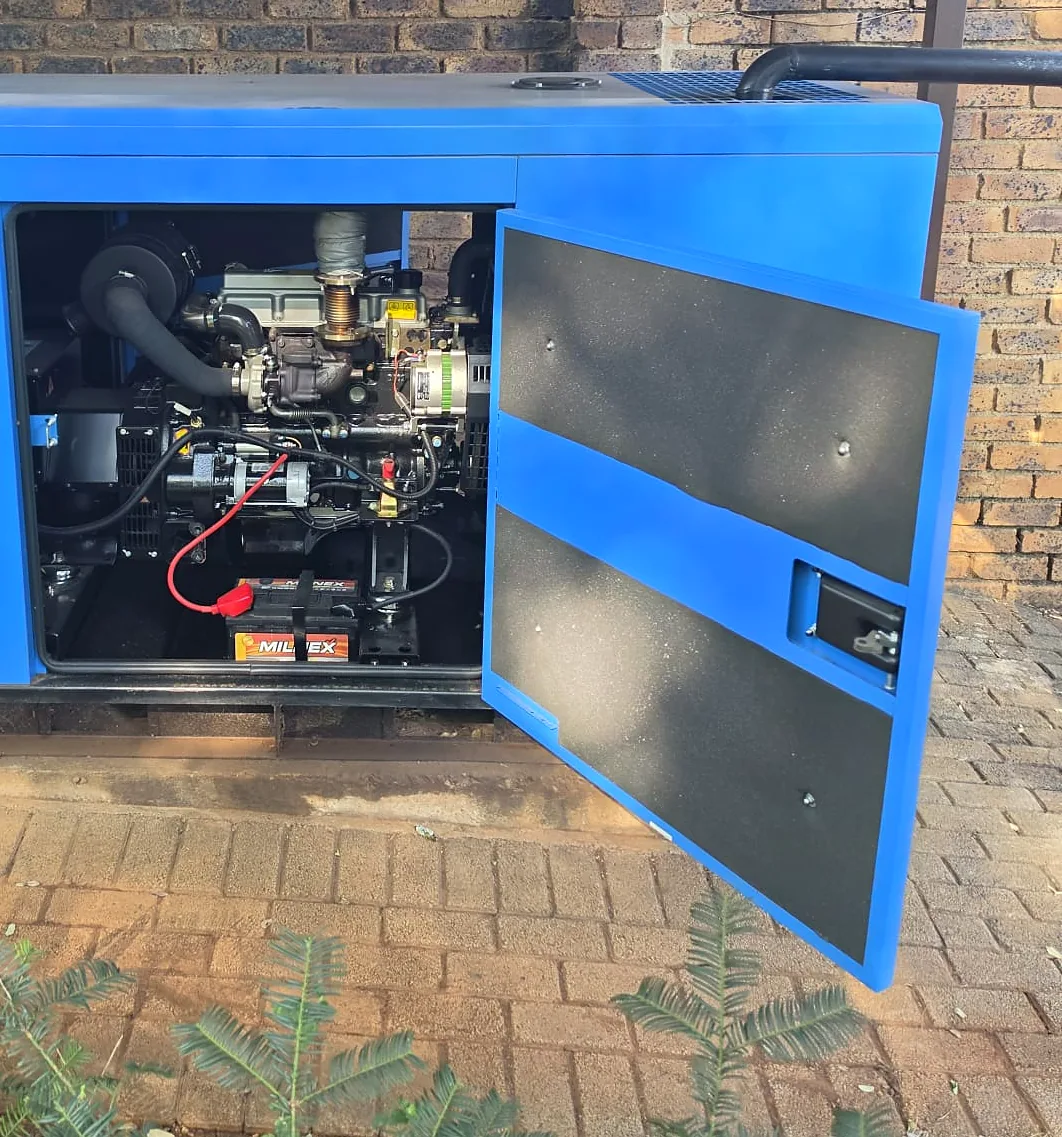
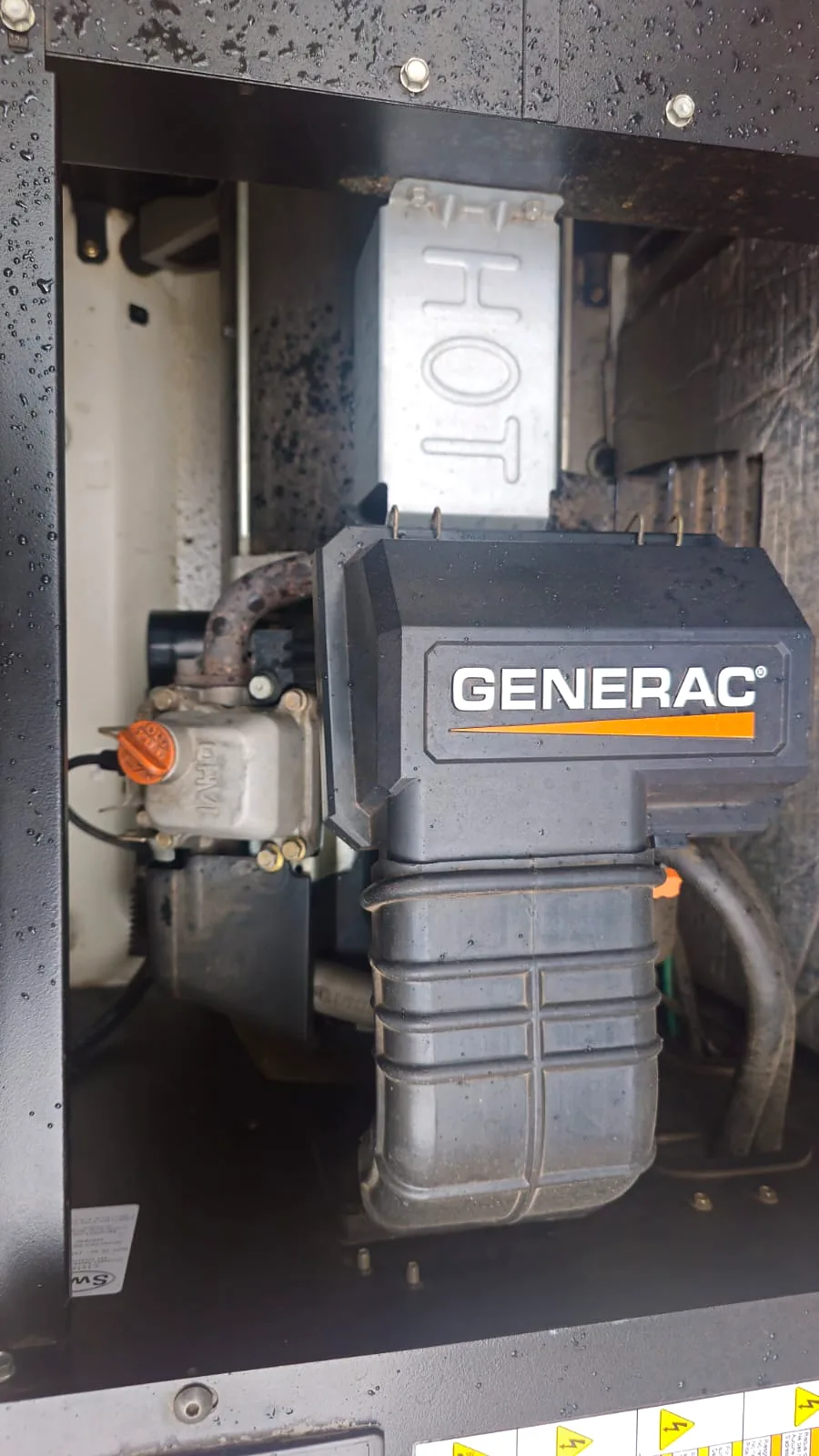
Inside the canopy is where faults are found. These close-ups show the parts that come up again and again in repairs and services: the fuel injection pump and injector pipes, oil and fuel filters, the starter motor and the starting battery. Many diesel faults start with the fuel, so fuel system repairs and diesel fuel contamination are good places to read on; a set that cranks slowly usually points to the battery, its charger or the starter circuit (battery not charging).
A SmartGen controller, and a control module under a raised canopy lid with the emergency stop beside it, show where start signals and alarms are handled and, on an automatic set, where the mains is monitored. Faults there are covered by control panel repairs and the controller alarms guide. The alternator coupled to the engine carries the exciter and windings, and usually the AVR in its terminal box: see AVR repairs and generator rewinding.
Labels matter too. An engine label on a rocker cover lists valve clearances and pump timing, and a model label on a canopy identifies the set. A photo of either, sent before we arrive, helps the technician bring the right filters and parts.
Send us photos of your own generator
Photos like these help us understand a fault before we arrive. WhatsApp them to 076 434 7292 when you book, or describe them on the contact page.
- The nameplate or model label on the canopy or base frame, showing the make, model and kVA rating
- The controller screen, with any alarm or fault message on it
- The engine label or data plate on the block or rocker cover
- The hour meter reading
- The installation from a few steps back: where it stands, the space around it and the exhaust outlet
- Any leak, smoke residue or damage, close up
Photograph from outside the canopy where you can, keep clear of the hot exhaust and any moving fan or belt, and never open the control panel or the alternator terminal box to take a photo. See preparing for a technician visit.
Gallery questions
About these photos
Are these real job photos?
Yes. They were taken on site at generators we have worked on, not taken from stock libraries. Some show work in progress; others show a set as it stood when we arrived.
Why don’t the captions say where each photo was taken?
To respect customers’ privacy, we do not name homes, businesses or addresses. The captions describe what each photo shows instead, and the link under each one goes to a page about that kind of generator or work.
Why do some photos show brand names?
Because those are the machines in the photos, and the name tells you what they are. We Service & Repair All Generator Brands. Brand names and trademarks belong to their respective owners. Onsite Generator Repairs is an independent service and repair company.
Can I send photos of my generator for a quote?
Yes, and they help. Photos let us narrow down the fault before we arrive, but a reliable quotation usually needs the fault confirmed on site. Free callouts and quotations, so the visit and the quotation cost you nothing. See what affects repair costs, and our FAQ for other common questions.
Does your generator look like one of these?
- 24/7 operations
- We Arrive Within 1–2 Hours (usually within 1 hour)
- Free callouts and quotations