
Generator types
Repairs and Servicing for Portable and Inverter Generators
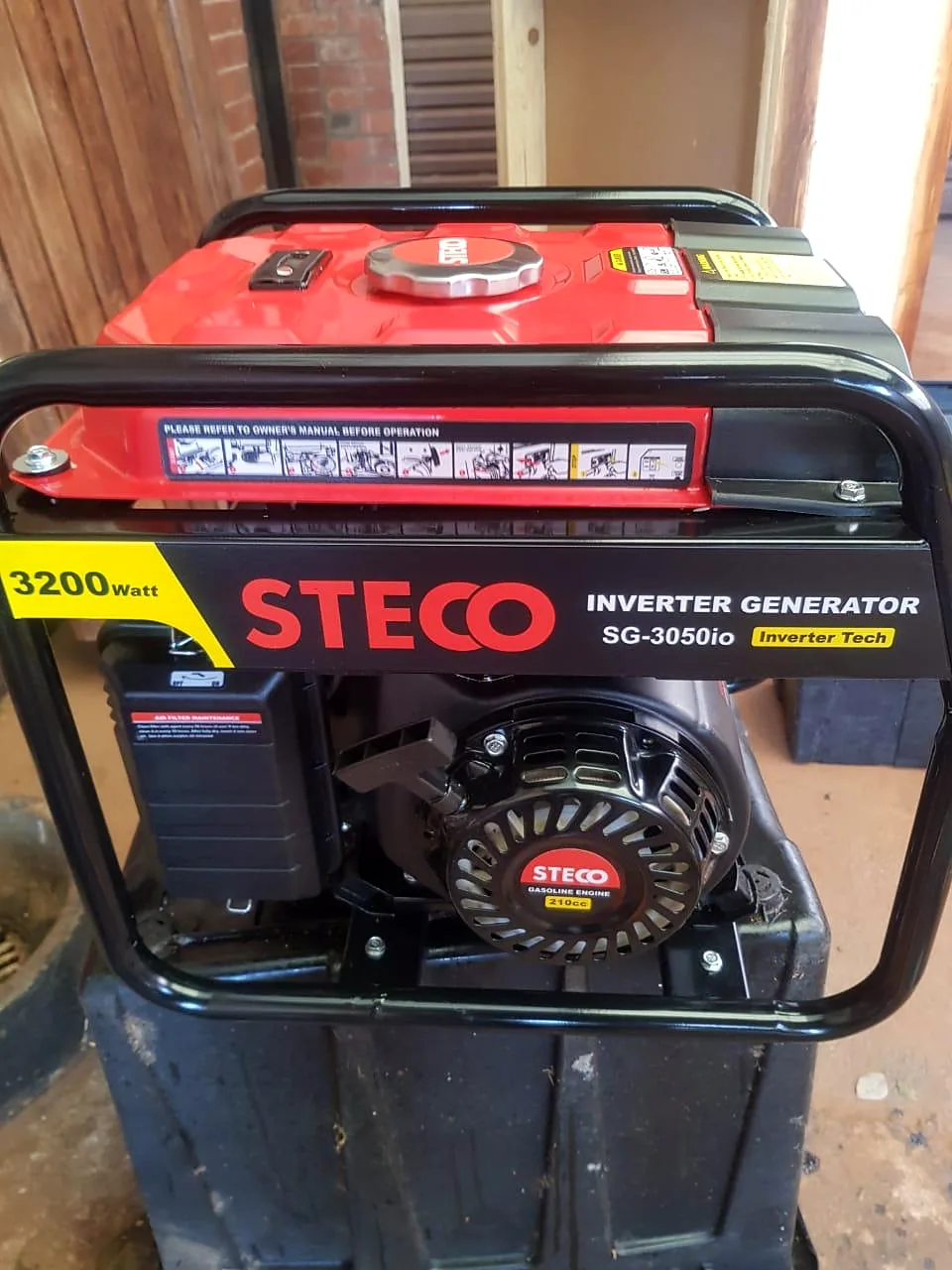
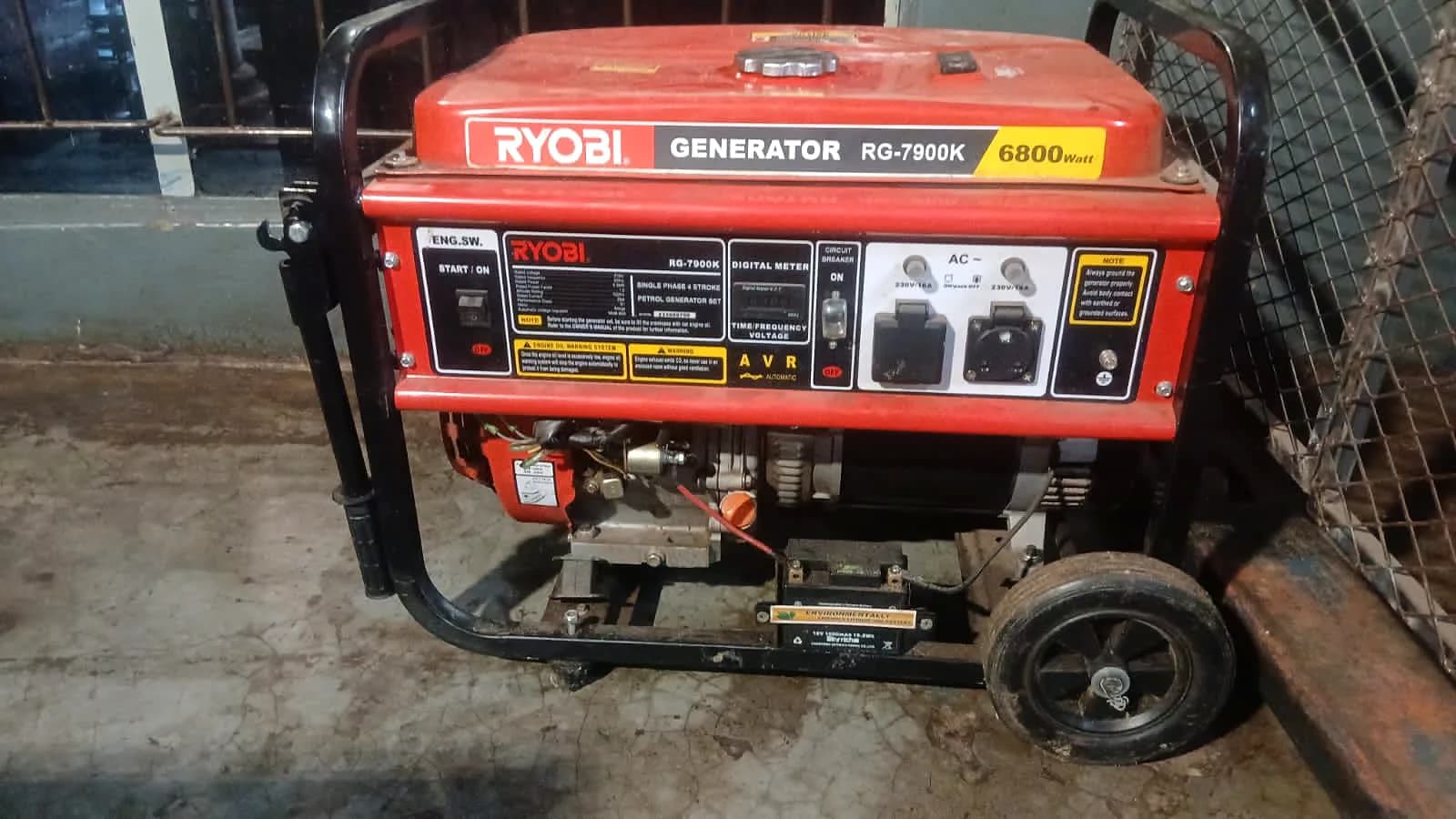
We repair and service portable generators of both electrical designs: conventional units, whose engine runs at a fixed speed to make 50 Hz, and inverter generators, which turn the alternator’s output into DC and then into clean, stable 230 V for electronics. Typical jobs are no output, overload trips, surging under load and failed inverter modules, on petrol units and small portable diesels alike.
- Conventional, inverter and small portable diesel units
- No output, overload trips and surging under load
- Inverter modules, AVRs, sockets and breakers
- Parallel kits and safe connection
Established 2006
20 years of experience
24/7 operations
We Arrive Within 1–2 Hours
(usually within 1 hour)
Free callouts and quotations
One-year warranty
Qualified and certified technicians
We Service & Repair All Generator Brands
All generator makes and models
1 kVA–20,000 kVA capability
Which kind of portable generator do you have?
| Kind | How it makes 230 V | Best suited to | Typical repairs |
|---|---|---|---|
| Conventional (usually open-frame) | How it makes 230 VA two-pole alternator turned at about 3,000 rpm gives 50 Hz directly; an AVR or capacitor holds the voltage | Best suited toPower tools, lights, pumps and site work | Typical repairsAVR or capacitor, brushes, sockets and breakers |
| Inverter (enclosed or open-frame) | How it makes 230 VAlternator output is rectified to DC, then an inverter module builds a 50 Hz sine wave; engine speed follows the load | Best suited toElectronics, quiet running and camping | Typical repairsInverter module, stator windings, throttle stepper motor, overload faults |
| Portable diesel | How it makes 230 VUsually a conventional alternator on a small air-cooled diesel, open-frame or in a silent canopy | Best suited toLonger runs and small sites | Typical repairsAir in the fuel, injector, starter battery, AVR |
How an inverter generator makes clean power
The engine drives a compact multi-pole alternator, often with permanent magnets, that produces high-frequency AC. This is rectified to DC, and the inverter module switches the DC rapidly to build a new 230 V, 50 Hz sine wave. Because the frequency is made electronically, not by engine speed, the output stays steady and clean enough for laptops, TVs and chargers.
The engine is also free of a fixed speed. In eco mode it idles down at light load, saving fuel and noise, and speeds up as load rises. The trade-off is response: a compressor or pump switched on at idle can bog the engine down or trip the overload, so turn eco mode off for motor loads.
On a conventional set the mechanical governor holds the engine near 3,000 rpm, letting speed, and so frequency, droop slightly as load rises, while the AVR or capacitor sets the voltage. Carburettor and stale-fuel problems affect petrol units of both designs; see petrol generators.

Inverter output faults
| Symptom | Likely causes | How we narrow it down |
|---|---|---|
| Engine runs, sockets dead | Likely causesTripped protection, a failed inverter module, an open stator winding, a loose connector | How we narrow it downMeasure the stator windings before condemning the module; see running but no power |
| Overload light with little load | Likely causesA motor’s starting surge, a faulty appliance or lead, or a failing module | How we narrow it downTest with a known resistive load, then check the module’s cooling |
| Surging or hunting | Likely causesEco mode reacting to a load that switches on and off, such as a fridge, a sticking throttle stepper motor, or a fuel fault | How we narrow it downRun with eco mode off; if it still hunts, look at the engine. See frequency and speed problems |
| Cuts out after a while | Likely causesBlocked vents or a failed fan overheating the module, or the low-oil switch as the level drops | How we narrow it downCheck the oil level, clean the cooling path, then run under load until fully warm |
| Parallel pair will not share load | Likely causesModels the maker does not list as compatible, a faulty parallel kit, or one faulty unit | How we narrow it downTest each unit alone, then together |
Running a portable generator through load shedding
Many portable units cover a two-to-four-hour load-shedding slot on one tank at moderate load; the manual gives the run time. Size against the continuous rating, not the peak figure on the box, start the largest motor load first, and add the rest one at a time.
Back-to-back slots are hard on small engines. Check the oil before each run, because if the level is low the low-oil switch will stop the engine mid-outage, and refuel only when it is stopped and cool. Run it on level ground, sheltered from rain but never enclosed, and chain it to something solid.
Using it safely
Connecting and running a portable generator
Outdoors only
Exhaust carbon monoxide has no smell and can kill. Run it in the open, away from doors, windows and vents, never in a garage or under a carport roof.
Leads rated for the load
Use outdoor-rated leads sized for the current and length, and unroll cable reels fully: a coiled reel can overheat.
A changeover, never a back-feed: Generator installation
House circuits need a changeover switch fitted by a registered electrical contractor, with a Certificate of Compliance. Never feed the house through a plug socket.
Earth leakage protection: Shutting down or tripping
Leads and tools used outdoors need earth leakage protection that suits how the generator’s neutral and earth are arranged; an electrician can advise. If it keeps tripping, look for a damaged lead or wet tool first.
Parallel kits
Two compatible inverter units joined with the maker’s parallel kit give roughly their combined output. Conventional units cannot be paralleled this way.
Size for starting surges
Add up the running load, then allow for the largest motor’s starting current. The kVA sizing guide shows how.
Servicing a portable or inverter generator
Small engines hold little oil, so on a unit that runs through every outage the changes come round quickly. A generator service covers the engine and then the parts that make the power, including the cooling path that keeps an inverter module alive.
For a fault, generator repairs start with a diagnosis and a quote. A business running several portable units can keep them on a maintenance plan, so none is found faulty on the day it is needed.
- Output checked under load, not just at idle
- Breakers, sockets and earth leakage tested
- Inverter vents and cooling fan cleaned
FAQ
Frequently asked questions
Is an inverter generator safe for my laptop and TV?
Yes. That is what inverter generators are built for: steady voltage and frequency with a clean waveform. A well-regulated conventional unit runs most appliances, but electronics are safer on an inverter.
Why does my inverter generator trip when the fridge starts?
A compressor draws several times its running current for a moment as it starts. With eco mode idling the engine, or other loads already running, that surge is more than the inverter can supply. Turn eco mode off, start the fridge first, then add the rest.
Can a portable generator be connected to my house wiring?
Only through a changeover switch installed by a registered electrical contractor, who issues a Certificate of Compliance. The switch keeps the generator and the mains apart. See generator installation.
Is an inverter generator worth repairing?
Often. Many faults are around the module rather than in it: tripped protection, a loose connector, a blocked cooling path. If the module has failed, we check a replacement is available and compare its cost with a new unit; see repair or replace.
What should I tell you when I book?
The make and model from the label, what it does or does not do, and what was plugged in when the fault appeared. A photo of the panel and its warning lights helps us bring the right parts.
Related pages
Related generator problems
Generator types
Who we work for
Need a generator technician?
- 24/7 operations
- We Arrive Within 1–2 Hours (usually within 1 hour)
- Free callouts and quotations